
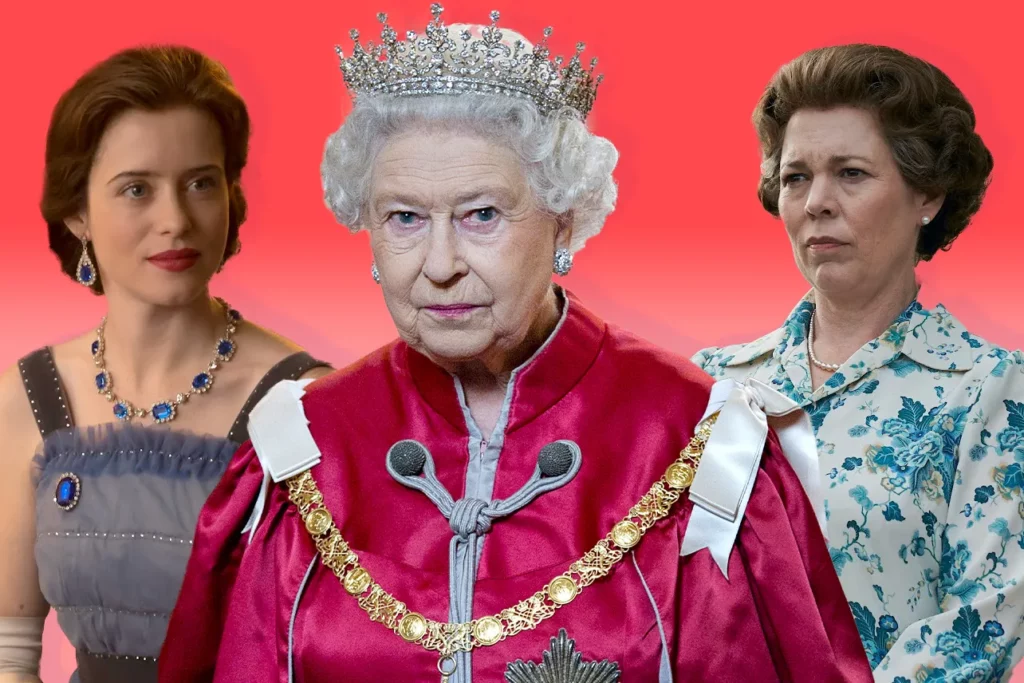
The world of British royalty has always been a hotbed of intrigue, scandal, and compelling narratives. Netflix’s acclaimed series, “The Crown,” delves deep into these historical realms, presenting a dramatized account of Queen Elizabeth II’s reign. From its inception in 2016, the show has captivated audiences with its lavish production, superb acting, and nuanced storytelling. However, it has also stirred controversy and debate, particularly regarding its portrayal of real-life figures and historical events. In this article, we will explore some of the most controversial moments in “The Crown” and how they mirror the complexities of royal history.
The Artistic License Debate: Fact vs. Fiction
One of the primary controversies surrounding “The Crown” is its blending of fact and fiction. While the series is lauded for its attention to detail and commitment to authenticity, it is ultimately a work of dramatization. This artistic license has led to various discussions about historical inaccuracies. Critics argue that the show condenses complex events and characters into simplified narratives, potentially misleading viewers about the actual historical context.
For instance, the portrayal of historical figures like Winston Churchill and Margaret Thatcher has sparked discussions on whether the show has skewed their legacies. Churchill, portrayed as a grumpy old man clinging to power in Season 1, neglects the multifaceted character of the wartime leader. Similarly, Thatcher’s depiction in Season 4 raises eyebrows; while she is shown as a strong figure, the series also highlights her controversial policies and personal struggles.
These portrayals, while rooted in some truth, may gloss over critical aspects of their legacies, leaving audiences with a skewed understanding of these prominent figures in British history.
Diana: The People’s Princess or a Cast Aside Character?
Perhaps the most significant controversies arise from the portrayal of Princess Diana. Her tragic life and untimely death continue to captivate and evoke sympathy from people globally. “The Crown” depicts Diana’s marriage to Prince Charles and her subsequent struggles within the royal family, encapsulating her as “the People’s Princess.”
However, the show’s representation has sparked debate about whether it romanticizes her hardships for dramatic effect. Critics argue that “The Crown” sensationalizes her story while glossing over important issues, such as mental health struggles and the pressures of public life. The show’s approach could be seen as exploiting her narrative for viewership, rather than offering a respectful portrayal of her life and struggles.
The contrast between Diana’s relatable persona and the often-stiff royal family is striking, and while “The Crown” poignantly captures her challenges, it also raises questions about how her story is told. Is the series honoring her memory, or is it trading on her tragedy for entertainment? This is a debate that continues to resonate among viewers.
The Controversial Portrayal of the Royal Family Dynamics
The portrayal of royal family dynamics in “The Crown” has also drawn attention, notably the relationship between Queen Elizabeth II and her family members. The depiction of familial events, disagreements, and power struggles often aligns with historical accounts, but the dramatization can lead to an oversimplification of complex relationships.
One of the most contentious aspects is the show’s treatment of Prince Philip. Known for his gruff demeanor and public gaffes, the series provides a glimpse into his personality. However, critics suggest that it also risks reducing his character to one-dimensional portrayals of a patriarchal figure who often finds himself at odds with modern expectations of marriage and family.
Moreover, the clashes between Elizabeth and her prime ministers—especially during crises like the Aberfan disaster or the decolonization of Africa—have been depicted as deeply personal clashes, rather than the politically nuanced discussions they might have been. Such portrayals risk oversimplifying the political environment of the time and can mislead audience perceptions of these events.
The Question of Privacy: What’s Fair Game?
Another layer of controversy is the question of privacy versus the public’s right to know. The Crown explores intensely personal moments in the lives of the royal family members, revealing private conversations and scandals. The depiction of events such as the breakdown of Charles and Diana’s marriage places the audience in a position where they might question the ethical implications of dramatizing someone’s personal turmoil.
As the series progresses into more contemporary events, such as the tumultuous relationships involving Harry and Meghan, it grapples with real-time implications. The line between public interest and private life becomes increasingly blurry, prompting discussions about exploitation in entertainment. Is it right for filmmakers to delve into the intimate details of someone’s life, especially when those individuals cannot respond or defend themselves?
Critics argue that there’s a responsibility associated with telling someone else’s story, particularly one as scrutinized as that of the royal family. The responsibility lies not only in factual accuracy but also in the emotional integrity of the portrayal.
[amazon box=”B08XLLF3PG”]
Modern Relevance: How The Crown Mirrors Today’s World
Despite its historical context, “The Crown” often connects resonantly with contemporary issues, sparking conversations that transcend its setting. Themes such as mental health, women’s empowerment, and social responsibility emerge prominently, making the show not just a retelling of royal history but a mirror reflecting current societal concerns.
The episode addressing mental health, particularly in the context of Diana’s experiences, acknowledges the growing discourse surrounding mental health awareness in today’s society. By portraying these struggles, “The Crown” encourages modern audiences to reflect on mental health’s importance, breaking down the stigma surrounding it, especially within high-pressure roles.
Additionally, the ongoing debates surrounding race and privilege brought to light by the Duke and Duchess of Sussex add another layer of relevance. Harry and Meghan’s struggle against the existing royal structure and societal expectations speaks volumes about ongoing challenges related to racism and class dynamics, which resonate deeply in today’s socio-political climate.
Fan Reactions: Love it or Hate it
“Love it or hate it” is the mantra among fans of “The Crown.” The series has garnered a massive following, with viewers praising its cinematography, acting, and storytelling. However, criticism remains steadfast as well, particularly around historical representation and the ethical issues outlined earlier.
Many viewers appreciate the drama, seeing it as an opportunity to reflect on historical figures and events. Meanwhile, another faction urges caution, appreciating the entertainment while recognizing the importance of discerning fact from fiction. This division in opinion highlights the complexities of consuming historical drama and invites deeper reflection on how media representations can shape our understanding of history.
The Impact of The Crown on Royal Perception
An unintended consequence of “The Crown” has been its effect on public perception of the royal family. It has sparked renewed interest in royal history and prompted discussions about monarchy’s relevance in modern society.
Some viewers find themselves drawn to royal history, becoming more informed about actual events and figures, thanks to the dramatization of “The Crown.” Conversely, others may adopt a more critical view of the monarchy due to what is depicted, leading to questions about the monarchy’s role in contemporary Britain.
This reflective journey emphasizes the impact of narrative-driven programming. “The Crown” thus serves as a portal, allowing viewers to grapple with the intricacies of familial loyalty, the burden of public duty, and the expectations placed upon those in power.
“The Crown” effortlessly weaves together captivating narratives of royal history while placing its characters through poignant and relatable struggles. While its portrayal may elicit controversy—ranging from concerns about artistic license to representations of complex figures—the show acts as a conversational catalyst about the monarchy and its relevance today.
Ultimately, engaging with “The Crown” invites viewers into a world that is as much about personal conflict as it is about grand historical narratives. It reflects societal shifts and creates discourse around essential subjects, all while harking back to a pivotal era in British history. The blend of rich storytelling and its portrayal of controversial moments forms a passionate discussion regarding the delicate dance between history and drama, ensuring that viewers remain thoughtful with each episode they watch.
As we continue to explore the threads of royalty and history, “The Crown” reminds us that every story—whether fact or fiction—holds the power to captivate, educate, and challenge our perceptions of history. So, whether you love it or hate it, “The Crown” undeniably has become a part of the modern cultural landscape, ensuring that the story of the British royal family continues to evolve and resonate with audiences for years to come.


