
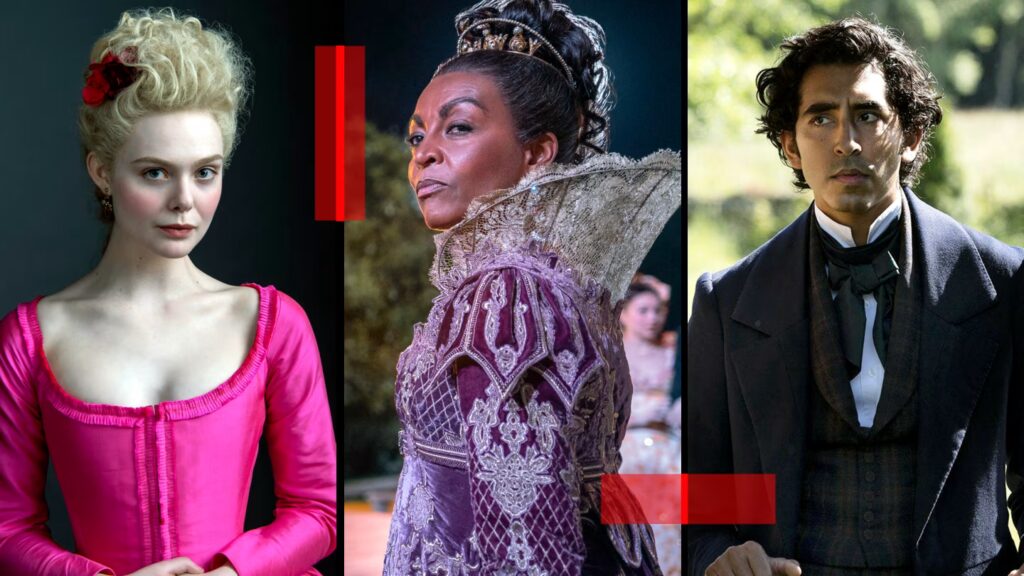
When it comes to popular television, few genres captivate audiences quite like period dramas. With their lush costumes, historical settings, and intricate storylines, period dramas transport viewers to times gone by, allowing them to experience a rich tapestry of culture, politics, and personal intrigue. Among the many series that have attempted to capture this magic, few have been as transformative as Netflix’s “The Crown.” This groundbreaking series not only chronicles the life of Queen Elizabeth II but also serves as a pivot point that has fundamentally changed how period dramas are perceived and created on television. In this article, we will explore how “The Crown” has reinvented the genre, affecting everything from narrative styles to production values, and what this might mean for the future of television.
The Rise of “The Crown”
Premiering in November 2016, “The Crown” has quickly become one of Netflix’s flagship series, earning wide acclaim from critics and audiences alike. What started as a personal story of a young queen has expanded into an epic narrative that spans several decades, reflecting the changing social and political landscapes of Britain and beyond. The show was created by Peter Morgan, who had previously explored similar themes in the play “The Audience.” His deep understanding of character-driven storytelling combined with a commitment to meticulous research and historical accuracy set the stage for a show that would influence the entire genre of period dramas.
Breaking Away from Traditional Period Dramas
One of the most significant ways “The Crown” has reinvented period dramas is by focusing not just on significant historical events but also on the personal intricacies and emotional struggles of its characters. Traditional period dramas often emphasize grand events—the signing of treaties, royal births, and political upheavals—while sidelining the human elements that affect those in power.
By placing Queen Elizabeth and those closest to her at the center of the narrative, “The Crown” dives deep into personal relationships, internal conflicts, and the burdens of power. The show’s creators have crafted character arcs that evolve over time, revealing how historical events shape individual lives in ways that resonate with contemporary issues. This focus on character development has helped the show gain a massive following, turning history into a relatable and engaging story.
High Production Values
Another aspect that distinguishes “The Crown” from traditional period dramas is its relentless dedication to high production values. With an estimated budget of around $130 million per season, the series sets a new standard for how period content is produced. From the exquisite set designs and period-accurate costumes to the meticulously crafted cinematography, every detail of “The Crown” reflects its historical context.
The show employs a talented team of artisans, including award-winning costume designer Amy Roberts and production designer Martin Childs, to create visually stunning environments that transport viewers into the past. The emphasis on authenticity draws in not only history buffs but casual viewers who appreciate quality storytelling and visual spectacle. This commitment to excellence has raised audience expectations for all period dramas, creating a benchmark that future series will need to meet to compete.
Narrative Innovation
Narratively, “The Crown” has also pushed the boundaries of how stories are told in period dramas. The show ingeniously weaves together multiple timelines, allowing viewers to witness the effects of past decisions on future events. This nonlinear approach adds layers to the storytelling, encouraging viewers to think critically about history and the continuous interplay between personal and national narratives.
Moreover, “The Crown” offers a balanced portrayal of various historical figures, allowing complexity and nuance in its depiction of characters commonly viewed as villains or heroes. For instance, Prime Minister Winston Churchill is portrayed not only as “the bulldog” of British politics but also as a deeply flawed leader overshadowed by personal vulnerabilities. This approach challenges viewers’ preconceptions and encourages them to see historical figures in a new light, making “The Crown” both a compelling drama and a thoughtful examination of its subjects.
Female Empowerment and Modern Themes
Another revolutionary aspect of “The Crown” is its engagement with themes of female empowerment and the challenges women face in a patriarchal society. The series explores Queen Elizabeth’s leadership journey, examining the complexities of her role as a female monarch amidst shifting social expectations. The narrative showcases her struggles, sacrifices, and resilience as she navigates a male-dominated world—elements that resonate with contemporary audiences.
In portraying characters like Princess Diana and Margaret Thatcher, “The Crown” also delves into crucial issues such as gender dynamics, personal agency, and the often-harsh consequences of public scrutiny. This exploration of modern themes within a historical context invites viewers to reflect on issues that continue to be pertinent today, ensuring that the show speaks to multiple generations.
[amazon box=”B08XLLF3PG”]
The Influence on Other Period Dramas
The success of “The Crown” has inspired a wave of new period dramas, each attempting to replicate its approach to storytelling, production quality, and character development. Series such as “Bridgerton,” which combines historical settings with modern sensibilities, illustrate the market’s desire for a fresh take on the genre. The amalgamation of romance, power dynamics, and societal commentary seen in “Bridgerton” can be traced back to the narrative innovations introduced in “The Crown.”
Even shows rooted in more traditional storytelling, like “Poldark,” have adopted the artistic techniques pioneered by “The Crown,” including cinematic filming styles and intricate character arcs. This shift has elevated the entire genre, making even lesser-known series more engaging and appealing to wider audiences.
The Digital Streaming Revolution
“The Crown” also arrived at a time when digital streaming was revolutionizing the way we consume television. With binge-watching culture on the rise, the series was tailored for an audience eager for compelling stories that could be consumed in large quantities. Each season drops all its episodes simultaneously, enticing viewers to dive deeply into episodic narratives.
This model has influenced how period dramas are marketed and produced moving forward. Streaming services recognize the audience’s desire for high-quality, character-driven narratives, prompting them to invest more in this genre. Shows like “The Last Kingdom” and “The Spanish Princess” have benefited from this newfound enthusiasm, showing that there is a substantial audience for period dramas when crafted with care and attention.
The Role of History in Contemporary Culture
The legacy of “The Crown” extends beyond the screen; it has ignited a renewed interest in British history, monarchy, and even the complexities of political systems. Discussions about public figures, royal events, and historical contexts have permeated social media platforms, with viewers eager to delve deeper into the stories behind the show.
This renewed interest has birthed a myriad of documentaries, books, and articles illuminating the history that serves as the backbone of “The Crown.” The series has effectively bridged the gap between entertainment and education, sparking curiosity among viewers about historical moments they may not have previously considered.
What Lies Ahead for Period Dramas?
As we look toward the future, the influence of “The Crown” on period dramas seems poised to continue. With audiences more engaged and receptive to historical narratives, we can expect new series to explore lesser-known figures and events, resulting in a richer tapestry of storytelling. Productions may take risks with characters and timelines, even as they strive for the same level of authenticity that “The Crown” has achieved.
Moreover, the increase in representation and diversity within the genre will likely be a lasting legacy of “The Crown.” As it ventured into explorations of race and gender, future stories may embrace a multitude of perspectives, illuminating the complexity of history and society. Such efforts will not only reflect contemporary values but also enhance the depth and quality of storytelling that audiences have come to expect.
Conclusion
“The Crown” has undoubtedly reinvigorated the world of period dramas on television. With its refined storytelling techniques, high production values, and unparalleled character development, it has raised the genre’s profile and set a new standard for what audiences can anticipate from historical narratives.
As a compelling blend of history, drama, and emotionality, “The Crown” invites us to reflect on the past and its relevance to today while inspiring future series to push the boundaries of storytelling. For fans of period dramas, the arrival of “The Crown” has enriched our viewing experiences and sparked an enduring love for the complexities of history woven into compelling narratives. With the bar set high, we are excited to see what comes next in this ever-evolving genre of television storytelling.


