
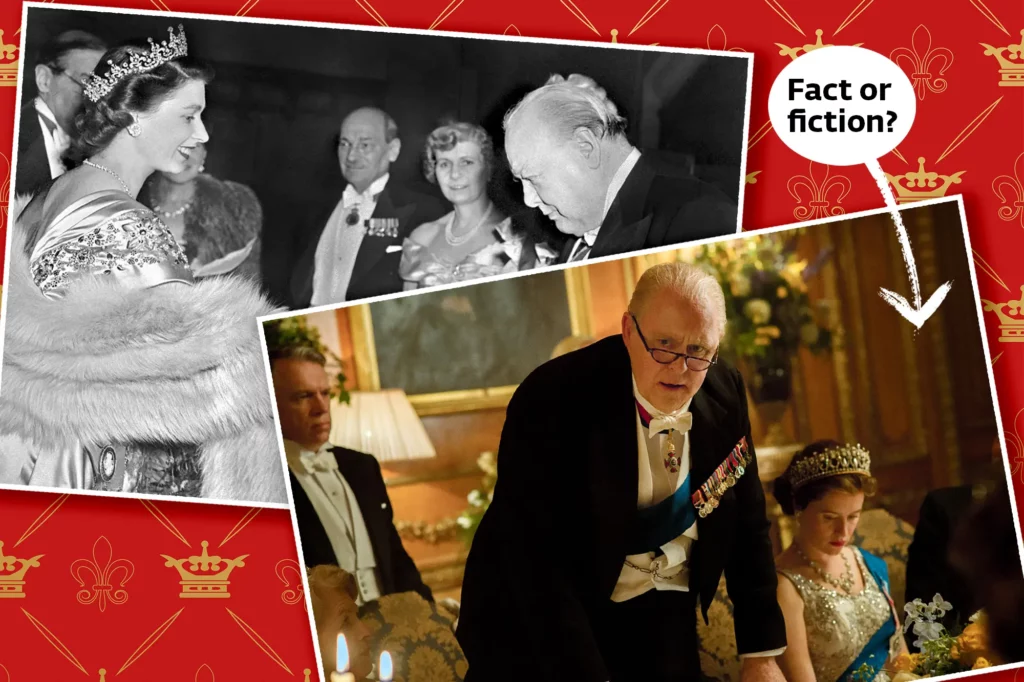
The world of television often blurs the lines between fact and fiction, and few series have sparked as many debates as Netflix’s hit show, The Crown. This lavish portrayal of the British monarchy has captivated millions, but many viewers find themselves wondering: how accurate is The Crown? What parts are dramatized for effect, and where do the creative liberties take the story off course? In this article, we’ll delve into the historical accuracy of The Crown, unpacking the truths and fiction woven into its narrative.
A Brief Overview of The Crown
Before diving into its accuracy, it’s essential to understand what The Crown is all about. Launched in 2016, the series was created by Peter Morgan and chronicles the reign of Queen Elizabeth II, starting from her wedding in 1947 and moving through various significant historical events. The show is celebrated for its high production values, stunning cinematography, and powerful performances, particularly by Claire Foy and Olivia Colman in the role of Elizabeth II.
Historical Context
The Crown covers major milestones in British history, including political events, family dynamics, and public perception of the monarchy. The series aims to portray the complex relationships and struggles of the royal family while also contextualizing their actions against the backdrop of significant global events, such as World War II, the decolonization of Africa, and the Cold War.
The Balance of History and Drama
While The Crown is based on historical figures and events, it inherently includes fictionalized elements for drama’s sake. This approach can lead to compelling storytelling but often sacrifices accuracy. It begs the question: How should we delineate between dramatization and the actual historical events?
The Real Characters
One of the show’s strengths lies in its characterization. The portrayal of Queen Elizabeth II, for instance, reveals her struggles as a young monarch thrust into public life at an early age. The show effectively portrays her human vulnerabilities, particularly how they contrast with her public persona. However, the emotional depth and personal interactions displayed may not always reflect the true nature of events.
For example, the relationship between Elizabeth and Prince Philip is depicted with considerable intimacy, showcasing their support and love for one another. While they indeed have a strong bond, some scenes embellish intimate conversations and scenarios. The show’s dramatization effectively evokes empathy and connection with the characters, but it’s important to remember that the nuances of their relationship may be more complicated than presented.
Historical Events: A Double-Edged Sword
The Crown dives into many critical historical events, like Winston Churchill’s leadership during WWII and the Suez Crisis. While the historical aspects are primarily accurate, the dramatization can lead to oversimplified portrayals. For instance, Churchill’s character is often depicted as a larger-than-life figure, with the show leaning into his charismatic and sometimes brash personality. Though Churchill was undoubtedly a significant figure, some historians argue that the show risks presenting a skewed perspective of his leadership and decisions.
At times, events are dramatized for tension or to create a more compelling narrative. For example, in Season 2, the portrayal of the Aberfan disaster—a tragic coal mining accident in Wales—elicits a powerful emotional response, but the attention given may overshadow the complexities surrounding the event and its aftermath. Historians caution that while emotional resonance is a compelling storytelling device, it can sometimes gloss over the facts in favor of drama.
The Feedback from Historians
Historically, The Crown has sparked a range of responses from historians. Some appreciate the show for its capacity to engage viewers with historical topics that might otherwise feel distant or dry, while others criticize its imperative to prioritize narrative over accuracy. As historian Andrew Roberts noted in an interview, “The first duty of a historical drama is to tell the story truthfully.” This sentiment underscores the importance of separating entertainment from educational value.
Moreover, the creative decisions made in The Crown have led to various depictions of public figures, which can alter perception. For instance, Princess Diana’s introduction in the series has become a focal point of discussion. Her portrayal highlights her struggles with mental health, her tumultuous marriage, and her eventual rise as a global icon. While elements of her story are indeed accurate, some argue that The Crown has a tendency to dramatize certain aspects, which can lead viewers to form misinformed opinions about her life.
[amazon box=”B08XLLF3PG”]
What’s Left Out?
Another fascinating aspect of The Crown is what has not been included in the narrative. Some critical events and figures are missed, potentially leaving gaps in public understanding. For instance, the impact of colonialism and Britain’s role in post-war international politics is often only superficially addressed. By omitting these layers, The Crown may present a somewhat simplified version of the monarchy’s history, which might mislead viewers about the broader implications of the events portrayed.
The Role of Creative License
Creative license is a necessary component of any dramatized narrative, including historical dramas. The balance between artistic representation and factual accuracy can be challenging, and The Crown is no exception. The show leverages dramatization not just to create tension, but to explore deeper themes: duty, sacrifice, love, and the burden of leadership.
Audience engagement through personal stories can be more impactful than a textbook recounting of events. However, the tendency to dramatize can create misconceptions about key figures and historical events. For potential viewers, it’s essential to approach The Crown as a starting point for exploration rather than an exhaustive account of history.
The Cultural Impact
While The Crown may take liberties with historical accuracy, its cultural impact is undeniable. The series has prompted a resurgence of interest in British history, royal culture, and the lives of historical figures like Winston Churchill and Princess Diana. Viewers who are captivated by the show often seek to learn more about the actual individuals and events, leading to broader discussions about monarchy and the role of historical narratives in shaping public perception.
For many, The Crown serves as an engaging introduction to a complex subject. Increased interest can inspire viewers to explore documentaries, books, and other media to gain a more rounded understanding of the British monarchy’s history. Furthermore, the discussions prompted by the series often encompass themes of power, responsibility, and the ethical implications of scrutinizing public figures.
Conclusion: A Journey Through History
In conclusion, while The Crown offers a richly woven tapestry of historical events and personal narratives, it must be viewed with a discerning eye. The show provides an engaging portrayal of Queen Elizabeth II’s life and reign, but the blend of reality and fiction warrants careful consideration.
As viewers, we must recognize the duality of entertainment and education inherent in historical dramas like The Crown. It reminds us of the delicate balance between storytelling and factual representation, showcasing the grandeur of history while inviting us to look deeper.
As we navigate this intricate series, it’s valuable to approach it as a catalyst for further exploration—a prompt to delve into the history that shaped this captivating narrative. By doing so, we appreciate the artistry of the show while enhancing our understanding of the real stories behind its characters.
Whether you are an avid fan of royal history or a casual viewer drawn in by the allure of majestic storytelling, The Crown offers a fascinating lens through which to view an iconic lineage. So, while you enjoy the drama, remember to dig a little deeper into the roots of history that make these narratives so compelling.
With this approach, you not only inform your audience about the show itself but also guide them towards critical thinking about the content they’re consuming. Engaging and educating, this article serves as a resource for both fans of The Crown and those intrigued by royal history, enriching their viewing experience.


