
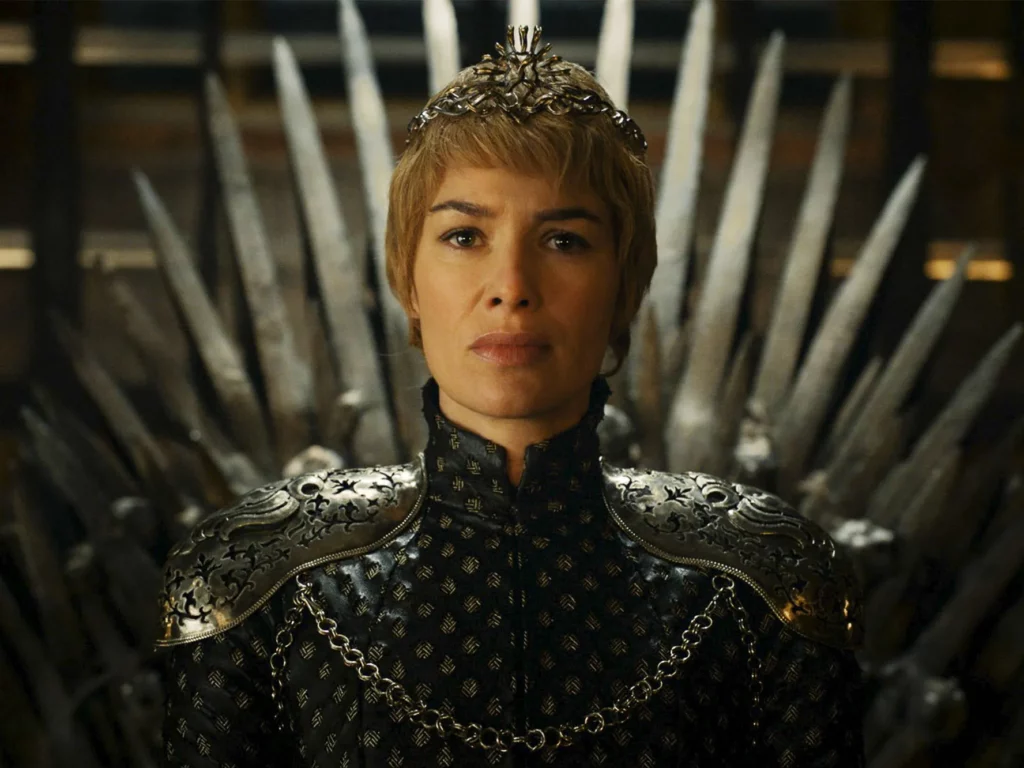
From the moment it first aired on HBO in April 2011 until its emotional conclusion in May 2019, “Game of Thrones” captured the hearts and minds of audiences around the world. The series wasn’t just a television show; it transformed into a global phenomenon, creating a massive fanbase, influencing modern pop culture, and keeping viewers on the edges of their seats. But what exactly makes “Game of Thrones” so iconic? In this deep dive, we’ll explore the elements that contribute to the show’s unparalleled success, its cultural impact, and what lessons can be learned from its storytelling.
The Foundation of Excellence: George R.R. Martin’s Books
At the heart of “Game of Thrones” is its source material—George R.R. Martin’s “A Song of Ice and Fire” series. First published in 1996, the books introduced readers to a richly woven world filled with complex characters, intricate politics, and a deeply developed lore. Martin’s storytelling is characterized by moral ambiguity and a willingness to subvert traditional fantasy tropes, resulting in unexpected twists and turns that kept readers hooked.
The translation of Martin’s work to screen involved careful attention to detail, which preserved the depth and richness of the original narrative. The show’s creators, David Benioff and D.B. Weiss, took the novels and transformed them into an engaging visual experience, paying homage to the book series while also crafting a unique identity for television.
Complex Characters: More Than Mere Archetypes
One of the defining features of “Game of Thrones” is its focus on character development. Unlike typical fantasy narratives that feature clear-cut heroes and villains, “Game of Thrones” presents a sprawling array of characters who exist in shades of grey. Viewers are introduced to characters like Tyrion Lannister, Daenerys Targaryen, and Jaime Lannister, each with their own motivations, flaws, and growth arcs.
The complexity of the characters allows the audience to empathize with their struggles, even when their actions are morally questionable. For example, while Daenerys begins her journey as a victim, her transformation into a ruler is fraught with ethical dilemmas. This complexity holds viewers’ attention, as they continually reassess their allegiances.
Unpredictability: Shattering Expectations
One of the key aspects that set “Game of Thrones” apart from other fantasy series is its willingness to defy convention. The show is notorious for flipping the script on common narrative tropes, such as the notion that beloved characters are safe from harm. Iconic moments, such as the shocking deaths of Ned Stark and Robb Stark, redefined expectations within the genre. Viewers quickly realized that no character was truly safe, adding tension and excitement to every episode.
This unpredictability became a hallmark of the series, generating endless discussions and theories among fans. The suspense kept audiences engaged week after week, creating a shared experience that extended beyond just watching the show.
The Intricacies of Politics: Realism in Fantasy
“Game of Thrones” stands out for its portrayal of political maneuvering and intrigue, reflecting real-world dynamics that resonate with viewers. The struggle for power, the alliances formed and broken, and the catastrophic consequences of decisions bring a sense of realism to the fantastical setting of Westeros. Viewers are drawn into the complex political landscape shaped by families such as the Starks, Lannisters, and Baratheons.
The show’s writers skillfully weave political narratives into the broader storyline, making the power struggles feel authentic and relevant. This intricate web of politics parallels historical events and conflicts seen throughout human history, creating a sense of relatability among the audience.
The Rich World-Building: A Tapestry of Cultures
One cannot discuss “Game of Thrones” without acknowledging its masterful world-building. The series transports viewers to a detailed and immersive world where the Seven Kingdoms of Westeros and the Free Cities of Essos come to life. Viewers see diverse cultures, languages, and customs, from the honor-driven North to the ruthless political landscape of King’s Landing.
The attention to detail in world-building not only enhances the story but also encourages exploration. Map enthusiasts and lore aficionados alike find joy in dissecting the geography and history of the Seven Kingdoms, while fellow travelers are inspired to visit filming locations that echo the beauty and grandeur of the story.
[amazon box=”B08XLLF3PG”]
Cinematic Brilliance: Visual Mastery
“Game of Thrones” is as much a visual spectacle as it is a storytelling triumph. The series set new standards for television production, showcasing breathtaking cinematography, stunning set designs, and epic battle sequences. With a skilled team of directors, production designers, and a talented cast, each episode felt like a cinematic event, complete with artistic compositions and meticulously crafted details.
The series’ significant investment in visual effects, especially during dragon scenes and large-scale battles, leaves audiences in awe. Notably, episodes like “Battle of the Bastards” became benchmarks for action sequences in television history, solidifying the show’s reputation for high-quality production.
Themes of Power and Morality: A Mirror to Society
Beyond its plot and characters, “Game of Thrones” evokes profound themes that resonate deeply with modern audiences. The exploration of power, ambition, betrayal, and mortality presents a stark reflection of human nature. Characters grapple with the decisions they make in their pursuits of power, often facing the bitter consequences of their choices.
The moral ambiguities presented in the series challenge viewers to question their own beliefs about justice, loyalty, and sacrifice. The show inspires discussions on leadership, ethics, and morality, mirroring the complexities encountered in contemporary society.
Community and Fan Culture: A Global Phenomenon
The legacy of “Game of Thrones” extends beyond the screen; it has transcended into a global cultural phenomenon. Fans have formed tight-knit communities, engaging in discussions, theories, and fan art celebrating their favorite characters and storylines. Conventions, fan gatherings, and watch parties have become common, fostering connections among people who share a passion for the story.
Encouraging user-generated content, the series has led to a plethora of fan fiction and elaborate theories that further dissect the lore and potential futures for characters. Social media has played an integral role in amplifying the fan experience, allowing viewers to share their love for the series, post memes, and engage in heated debates about plot points.
Cross-Generational Appeal: Timeless Themes
“Game of Thrones” has an uncanny ability to attract a diverse audience spanning different demographics. The themes of love, betrayal, revenge, and friendship are universal, appealing to various age groups and cultures. The show’s blend of action, drama, and fantasy creates a multi-layered experience that draws viewers in for diverse reasons.
The richness of the characters allows individuals to find relatability within their experiences, regardless of background. Whether it’s the struggles for identity, love, or power, the series manages to resonate on a personal level for many, contributing to its widespread appeal.
Conclusions: The Enduring Legacy of Game of Thrones
As we reflect on “Game of Thrones,” it becomes apparent that its cultural impact is vast and multi-faceted. It combines incredible storytelling, complex character arcs, intricate political intrigue, and stunning visuals to create an experience that transcends traditional viewing. While the series may have concluded in 2019, it remains ingrained in the hearts of fans and serves as a reference point in the realms of television and literature.
The show’s blend of timeless themes, exploration of human nature, and the shock of unpredictability can teach all storytellers important lessons about maintaining audience engagement and creativity. As we journey forward in the landscape of entertainment, “Game of Thrones” stands tall as a beacon of what’s possible when craft and passion intertwine.
Ultimately, the question isn’t just what makes “Game of Thrones” iconic; it’s how this epic fantasy journey transformed storytelling in a remarkable way that will influence future generations to come. Whether you praised or criticized the series, its indelible mark on the realms of fantasy, television, and culture is undeniable, leaving future storytellers an ambitious standard to uphold.
So as we wrap up this exploration, let’s carry the spirit of “Game of Thrones” forward. Whether we are avid travelers seeking new horizons or storytellers crafting new worlds, we must remember to embrace complexity, celebrate unpredictability, and, above all, put our heart into every narrative we create.


