
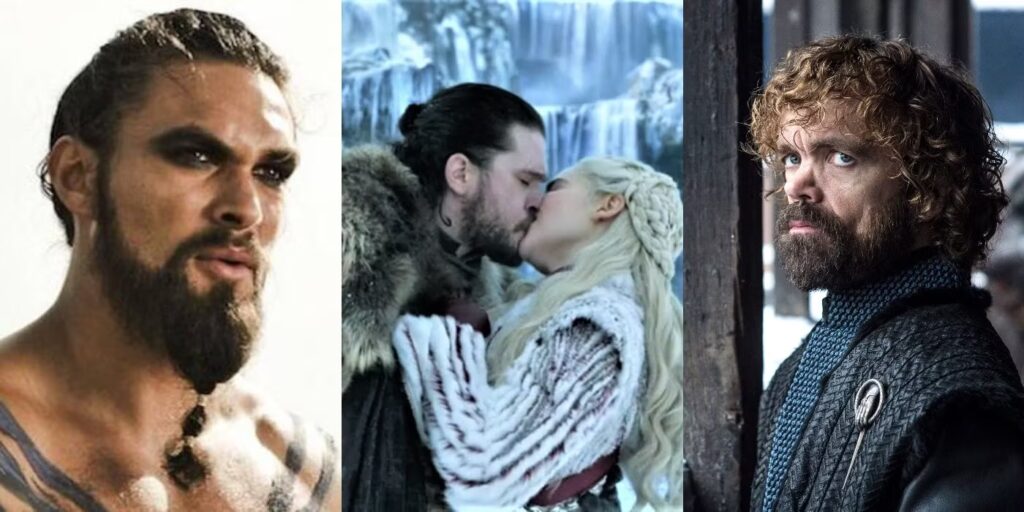
Game of Thrones, the television phenomenon based on George R.R. Martin’s acclaimed book series “A Song of Ice and Fire,” captivated audiences across the globe with its intricate storytelling, complex characters, and breathtaking cinematography. But at its core, what made Game of Thrones truly unforgettable were the characters—ranging from noble heroes to cunning villains—who navigated the treacherous world of Westeros. In this article, we will delve into some of the iconic characters who defined the series, from Jon Snow to Daenerys Targaryen, and explore their legacies within the realm of television history.
Jon Snow: The Reluctant Hero
Jon Snow, brilliantly portrayed by Kit Harington, stands out as one of the series’ most beloved characters. Born as the illegitimate son of Eddard Stark, his journey of self-discovery unfolds amidst the stark, unforgiving landscapes of the North. From his early days as a member of the Night’s Watch to eventually being revealed as a key figure in the battle for the Iron Throne, Jon exemplifies the archetypal hero who struggles with his identity and destiny.
The Stark Honor
Jon’s adherence to the Stark values of loyalty, justice, and honor often sets him apart in a world rife with betrayal and ambition. His relationship with his half-siblings, particularly Arya and Sansa Stark, showcases his protective instincts. These qualities not only endear him to the audience but also position him as a moral compass within the series. However, his steadfast honor also leads to personal tragedies and tough decisions as he grapples with the harsh realities of leadership and war.
Love and Loss
One of the central emotional arcs for Jon Snow is his love for Daenerys Targaryen. Their relationship serves as a narrative bridge between the North and the South, representing a potential unification that could heal the fractured land. However, the twist of fate regarding his true lineage complicates this romance and highlights the series’ core theme: the collision of personal desires with the weight of political obligations.
Daenerys Targaryen: The Mother of Dragons
Daenerys Targaryen, played by Emilia Clarke, is a character whose evolution reflects the multifaceted nature of power and ambition. Starting as an exiled princess in the shadow of her domineering brother, Daenerys grows into a powerful leader with a claim to the Iron Throne. Her journey from vulnerability to fierce independence captivates viewers, making her one of the most dynamic characters in the series.
From Victim to Victor
Daenerys’s early experiences of oppression fuel her drive to reclaim her birthright. Along the way, she acquires formidable allies and assets, including her three dragons—Drogon, Rhaegal, and Viserion—which symbolize her rise from powerlessness to power. Her evolution is marked by her struggle to balance her desire for justice with the ruthless decisions required to achieve her ends, such as the fiery destruction of her enemies.
The Complex Legacy of the Mad Queen
As the series progresses, Daenerys’s character arc takes a darker turn, culminating in her controversial choice to burn King’s Landing. Many fans were left reeling by this transformation, prompting debates about the nature of power and the cost of ambition. Daenerys becomes a figure representing the fine line between liberation and tyranny, encapsulating the series’ central theme of how noble intentions can spiral into devastation.
Tyrion Lannister: The Mastermind
Tyrion Lannister, portrayed masterfully by Peter Dinklage, is one of the most intellectually compelling characters in Game of Thrones. Known as “The Imp” or “The Halfman,” Tyrion’s sharp wit, strategic mind, and knack for political maneuvering make him a fan favorite. Despite facing prejudice due to his stature, Tyrion consistently proves himself as a vital player in the game of thrones.
The Underestimated Genius
Tyrion’s journey is one of overcoming societal biases and finding strength in his intellect rather than brute force. His keen understanding of human nature allows him to manipulate situations to his advantage, often providing a stark contrast to the more violent characters in the series. His relationship with his siblings, particularly Jaime Lannister, adds complexity to his character, revealing a deep longing for acceptance and kinship.
A Advocate for Change
While Tyrion often serves as a moral compass amid the chaos, he is also a pragmatist. His advisory role to Daenerys highlights his hope for change in a war-torn world, but his choices also raise questions about complicity. His wit and critical thinking become a lens through which viewers can understand the intricate politics of Westeros, emphasizing that intelligence can be as powerful a weapon as a sword.
[amazon box=”B08XLLF3PG”]
Cersei Lannister: The Manipulative Queen
Cersei Lannister, played by Lena Headey, embodies ambition and ruthlessness in a world where power is as coveted as life itself. As the daughter of Tywin Lannister and twin to Jaime Lannister, Cersei’s journey is rooted in her desire to protect her family and secure her survival in a dangerous political landscape.
The Queen’s Game
Cersei’s character arc is characterized by her thirst for power, culminating in her ruthless rise to the Iron Throne. Unlike Daenerys, who seeks to liberate and conquer based on her ideology, Cersei’s motivations are deeply personal and often vengeful. Her manipulation of relationships and policies highlights her status as a formidable antagonist in the series. Cersei’s infamous walk of shame solidifies her position as a character who rises from humiliation to reclaim her power, even if it means resorting to extreme measures.
The Duality of Motherhood
Cersei’s character is profoundly shaped by her role as a mother. Her love for her children drives many of her decisions, often blurring the lines between maternal instinct and corruption. This duality makes her a complex character, revealing how the desire to protect family can lead to self-destructive choices and ultimately contribute to her downfall.
Arya Stark: The Vengeful Avenger
As one of the youngest Stark siblings, Arya Stark’s evolution from a tomboyish girl to a trained assassin exemplifies one of the show’s most compelling character arcs. Portrayed by Maisie Williams, Arya’s journey is a blend of revenge, survival, and self-discovery.
The Path of Vengeance
Introduced as a fiercely independent spirit, Arya defies the traditional gender roles of her noble upbringing. The death of her family members at the hands of the Lannisters fuels her quest for vengeance. Her training with the Faceless Men allows her to hone her skills in secrecy and assassination, enabling her to achieve remarkable feats throughout the series.
Finding Identity
What makes Arya’s character resonate with audiences is her deep sense of identity. Although her quest for revenge may seem ruthless, it aligns with her moral compass. The finale of her character arc, particularly her role in the defeat of the Night King, solidifies Arya as a crucial element in the fight for Westeros’s future—an embodiment of resilience and agency.
The Night King: The Unseen Terror
While not a traditional character with depth and backstory, the Night King represents an existential threat to all of humanity in the world of Game of Thrones. His character serves as a catalyst for many of the other protagonists’ arcs and highlights the overarching theme of unity against a common enemy.
The Symbol of Fear
The Night King is meticulously crafted to elicit fear and suspense. His creation from a human child and subsequent rise to power symbolize the horrors that can emerge from neglect and vengeance. His icy presence looms over the characters, forcing even the most entrenched adversaries to confront their differences in pursuit of survival.
The Great War
The concept of the Night King emphasizes the series’ warning of the dangers of division and the importance of camaraderie in the face of crisis. His role as the ultimate antagonist makes the stakes in the series higher, representing the culmination of the battle between life and death—a theme that calls for unity amidst discord.
Conclusion: The Legacy of Game of Thrones Characters
The characters of Game of Thrones, from Jon Snow to Daenerys Targaryen, serve as the backbone of a narrative filled with political intrigues, moral dilemmas, and personal struggles. The richness of their arcs adds depth to the overarching themes of honor, power, love, and revenge—creating a tapestry that has resonated with viewers long after the show concluded.
Whether celebrating the resilience of Arya Stark, grappling with the moral ambiguities of characters like Tyrion and Cersei, or entranced by the tragic journey of Daenerys, audiences found relatable elements within these intricate personas. Game of Thrones transcended mere fantasy to present a robust exploration of the human condition.
As we look back on this monumental series, it’s clear that its characters will be remembered for more than just their roles in the battle for the Iron Throne; they will be celebrated for their profound impact on storytelling, character development, and the exploration of complex themes that reflect our own world. In the grand narrative of Westeros, they remind us of the enduring struggle for power, the weight of choice, and—ultimately—our shared humanity.


