
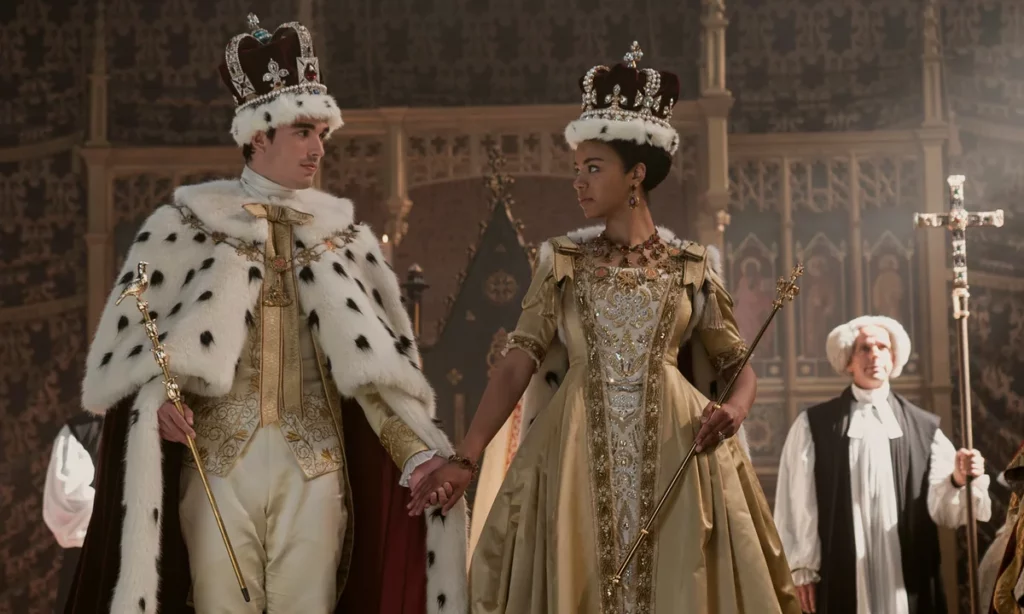
When it comes to the glamorous and swoon-worthy world of Bridgerton, it’s easy to get swept away by the lavish costumes, the decadent balls, and the whirlwind romances. Created by Chris Van Dusen and produced by Shondaland, the Netflix series has become a cultural phenomenon since its debut in December 2020. At first glance, it might seem to be just another period drama based on Julia Quinn’s bestselling novels, but a closer examination reveals an intricate tapestry of social commentary, particularly regarding class and race issues. In this article, we delve deep into how Bridgerton weaves these themes into its narrative and what that means for viewers.
The Setting: A Reimagined Regency Era
Bridgerton is set in Regency-era London, a time characterized by strict social hierarchies and rigid class divides. However, the show’s creative choices allow it to explore these themes in a fresh way. The series features a racially diverse cast, which immediately challenges conventional depictions of the period. The presence of characters of color in positions of wealth and influence invites a discussion about historical accuracy and representation in media.
The show features noteworthy characters such as Lady Danbury, played by Adjoa Andoh, and Simon Basset, the Duke of Hastings, portrayed by Regé-Jean Page. Their stories reflect the complexities of navigating a high society that is simultaneously racially inclusive and steeped in the same class biases that pervaded the actual historical context.
The Class System: A Story of Both Privilege and Struggle
At its core, Bridgerton is a narrative about love and relationships. Still, it is also deeply entrenched in the historical class system. The Bridgerton family, headed by the widowed Lady Violet, is among the upper echelons of London society. However, even within this privileged class, we see tensions that arise from wealth, status, and the competition that comes with it.
One striking aspect of the show is how it portrays the marriage mart—the societal spectacle where young women seek advantageous marriages. This clear reflection of the historical context serves to highlight the limitations placed on women of the period, who relied on marriage as a primary means of social mobility. In this patriarchal landscape, differences in class lead to real emotional and social stakes for the characters.
The disparities are deftly illustrated through the romantic entanglements of the Bridgerton siblings. For instance, Daphne Bridgerton’s initial success in the marriage market highlights the expectations placed on women to secure a future through marriage. On the flip side, Marina Thompson’s storyline demonstrates the consequences of class-related challenges, accentuating how survival can often drive women to make difficult choices.
Race and Representation: A Modern Lens on Historical Norms
One of the boldest choices made by Bridgerton is its approach to race. While it might seem unconventional to feature a racially diverse cast in a show set in Regency England, this choice acts as a powerful commentary on historical narratives. The series reframes conventional structures, creating a world where people of various backgrounds can occupy prominent positions, thus challenging existing narratives about race and class.
This narrative style showcases how relationships between characters are influenced by their respective social standings, while also illuminating the prejudices that persist. For example, the romance between Daphne Bridgerton and Simon Basset confronts not only the class distinctions but also the racial nuances that affect their courtship. The societal expectations surrounding them serve as obstacles—alluding to the intersectionality of race, class, and gender that continues to resonate today.
The inclusion of diverse casting in roles traditionally reserved for white actors is a deliberate move that invites viewers to reexamine their perceptions of history. Through its lens of imagination, Bridgerton encourages a discussion about what representation looks like and who gets to tell these historical stories.
Another important layer to the social commentary in Bridgerton lies in its treatment of sexual politics. The show doesn’t shy away from exploring themes of desire, consent, and sexual identity, setting it apart from vanilla portrayals of romance in previous period dramas. While the characters navigate love and lust, they must also contend with societal expectations regarding propriety and honor—factors that are deeply influenced by class and race.
A noteworthy example is the first season’s depiction of Daphne and Simon’s courtship, which oscillates between romantic idealism and the harsh realities of sexual politics during the period. The tension stemming from societal pressures balances beautifully against their undeniable chemistry, illuminating how societal norms can complicate personal desires.
Additionally, other couples in the story—such as Penelope Featherington and Colin Bridgerton—experience their own social constructs that dictate their ability to express love and desire. The complexities of their relationships speak volumes about the often unspoken rules of the society in which they operate.
[amazon box=”B08XLLF3PG”]
The Role of Gossip: Bridgerton’s Social Commentary Mechanism
Bridgerton introduces the character of Lady Whistledown, a gossip columnist whose observations and insights provide the audience with privileged information about the characters’ lives. This narrative device serves multiple purposes, offering both entertainment and critical commentary on the function of gossip in society. Lady Whistledown’s revelations are revealing not just of personal secrets, but also of societal flaws, drawing attention to how rumors can maintain social hierarchies while simultaneously subverting them.
Lady Whistledown herself acts as a metaphor for social media in the modern age—her words have significant power to elevate or destroy reputations. The celebration of gossip culture reflects how information (and misinformation) shapes public perception, illustrating the ongoing dynamics of power inherent in speaking and revealing truths.
The Intersection of Love and Duty
As the series progresses, the interplay between love and duty becomes increasingly evident. The Bridgertons are bound by social obligations that dictate their choices when it comes to love and marriage. Daphne’s journey, for instance, embodies the tension between personal desires and familial expectations. The societal pressure to marry well, while navigating the expectations of a mother who desires to see her children happily wed, exemplifies the conflict between individual choice and social duty.
The theme extends to other characters, such as Anthony Bridgerton, whose protective role over his younger siblings forces him into a patriarchal guardianship that stifles his personal desires. Such portrayals shed light on the unyielding chains of duty that bind individuals within the class system and challenge our understanding of familial loyalty versus personal happiness.
A Conversation Starter
What makes Bridgerton particularly engaging is its ability to serve as a conversation starter on issues that are prevalent in our society today. By addressing class and race within the context of romance, the show invites viewers to explore how these themes impact their own lives and communities. Discussions on social inequality, race relations, and gender roles become pivotal points of consideration, moving the conversation beyond entertainment and into social critique.
The show deftly balances entertainment with critical analysis, allowing audiences to both enjoy the beauty of the era and reflect on the underlying societal issues that mirror our present. As the series continues to captivate audiences, it becomes clear that understanding the nuances of its social commentary is essential to fully appreciating its impact.
Conclusion: Bridgerton as a Reflection of Contemporary Ideals
At its heart, Bridgerton challenges traditional norms while offering a diverse range of representations that highlight the complexity of human interactions. By reimagining race and class dynamics within a fictional yet recognizable historical context, the show encourages viewers to reflect on their beliefs and attitudes regarding privilege, social mobility, and intersectionality.
As we eagerly await subsequent seasons, it is essential to consider what Bridgerton teaches us about our past and its relevance to contemporary societal issues. Understanding the hidden social commentary in the series not only enriches our viewing experience but also serves to create awareness that can lead to meaningful conversations in our day-to-day lives.
In a world craving more representation and diversity, Bridgerton stands as a refreshing, provocative step toward dismantling stereotypes and acknowledging the multifaceted nature of our society. So, the next time you settle in for an episode, take a moment to appreciate the layers of meaning beneath the glimmering surface—it might just change the way you view love, class, and race.


