
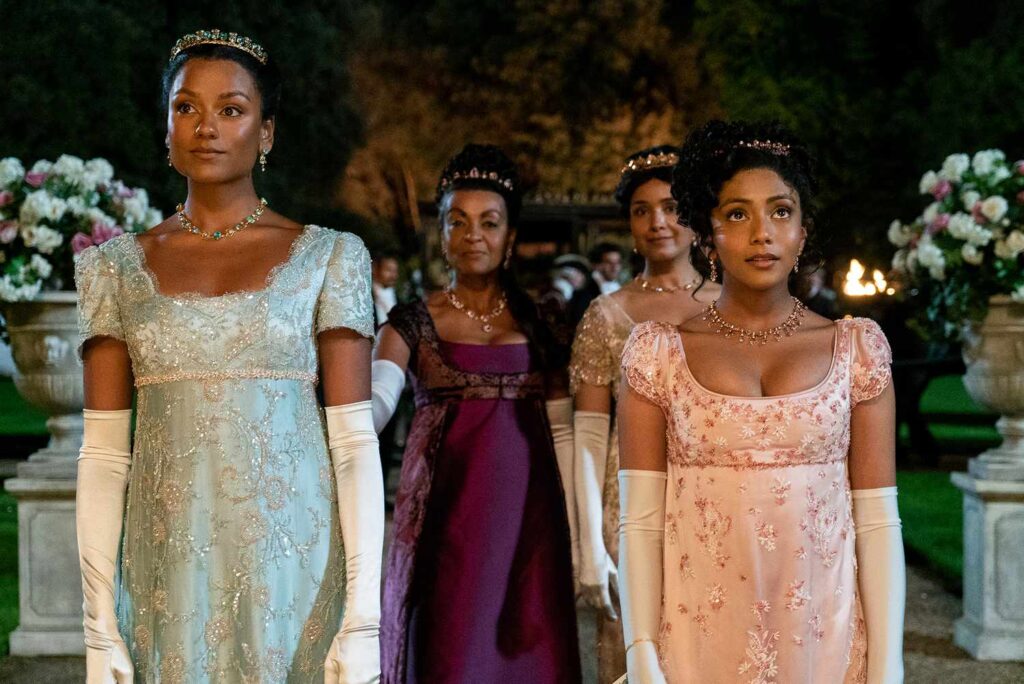
If you’re one of the countless fans who became enchanted by Netflix’s hit series Bridgerton, you’ve likely found yourself captivated by more than just the scandalous plot twists and romance. The lavish costumes, vibrant colors, and intricate details of the characters’ wardrobes tell a story all their own, enhancing the show’s visual allure. But what lies beneath the surface of this sumptuous fabric? How do these costumes serve not just as garments, but as a lens through which we can understand each character’s personality, social status, and personal journey? Let’s delve deep into the secret world of Bridgerton’s fashion and how it skillfully defines its unforgettable characters.
A Brief Overview of Bridgerton’s Fashion Journey
Bridgerton is set in the Regency-era London, a time characterized by distinct fashion trends that reflect the social norms and values of the time. However, the creative team behind Bridgerton took artistic license to blend the period with modern aesthetics, resulting in a unique visual style that feels both fresh and timeless. The costumes aren’t just historical reproductions; they’re designed to evoke emotional responses and subtly hint at each character’s development throughout the series.
The show’s costume designer, Ellen Mirojnick, has carefully curated each piece of clothing, prioritizing fabric choice, color schemes, and historical accuracy. This thoughtfulness ensures that the characters’ wardrobes are coherent reflections of their identities. So, how do these costumes transcend mere clothing and become vital components of storytelling? Let’s explore this further.
The Power of Color
One of the most striking aspects of Bridgerton’s costumes is the vibrant color palette. Throughout the series, color plays a crucial role in character development. For instance, Daphne Bridgerton is often clad in soft pastels that signify her innocence and femininity, emphasizing her role as the series’ primary love interest. Her wardrobe choices evoke the freshness and purity of youth, reinforcing her journey from a naive debutante to a more empowered woman as the series progresses.
In contrast, characters like the rebellious, bold Lady Danbury frequently sport darker hues that align with her assertive personality. The use of rich reds and regal purples in her attire sets her apart as a figure of authority and strength. These deliberate color choices showcase the characters’ emotions and social standings, effectively amplifying their narratives.
Fabrics That Tell a Story
Beyond colors, the choice of fabric is equally important in conveying character traits. For example, the use of lightweight muslins and silks in Daphne’s dresses allows for fluid movement, accentuating her grace and romantic ideals. Meanwhile, the more structured garments worn by the scheming and ambitious Penelope Featherington denote her social aspirations while hinting at the tension she feels between her true self and societal expectations.
The luxurious textures of the costumes not only captivate viewers visually but also heighten the sense of status and class. Silks and velvets adorn the upper echelons of society, while simpler fabrics prevail among the less privileged. By watching the characters interact within their wardrobes, we glean insights into their social dynamics and personal struggles.
Tailoring and Fit as Character Indicators
The fit and tailoring of each costume also play an essential role in conveying character. Characters like the Duke of Hastings, Simon Basset, are often seen in meticulously tailored suits that highlight their social standing and masculinity. The sleek lines and modern cuts reflect Simon’s complex nature—while he comes from nobility, he grapples with deep-seated emotional issues. The fit of his clothing parallels his struggle between societal expectations and personal desires.
Conversely, the Featherington family often exhibits ill-fitting, ostentatious outfits that illustrate their desperate attempts to climb the social ladder. Their exaggerated styles serve as a visual cue of their insecurity and ambition, making their character arcs all the more poignant. The tailoring choices serve to amplify the subtle nuances of character-driven storytelling.
Accessories: Fine Details Make a Big Impression
It’s the accessories, too, that add layers of meaning to Bridgerton’s fashion narrative. Jewels, hats, and gloves are not merely extravagant adornments; they are loaded symbols of wealth, individuality, and social position. For instance, Lady Featherington’s ostentatious jewelry highlights her desire for status, contrasting sharply with the more understated elegance of Daphne Bridgerton.
The use of gloves serves as an essential marker of class. As a rule of thumb, the upper class participates in social functions donning elegant gloves, while the working class is often seen without them, reinforcing the class divide. This small detail transforms seemingly miniscule choices into powerful character statements, aligning with the authoritative themes of societal norms in the series.
[amazon box=”B08XLLF3PG”]
Themes of Empowerment and Transformation
As the characters evolve over the course of the series, so too do their wardrobes. The transformative nature of fashion in Bridgerton mirrors the personal growth and empowerment of its characters. Take, for example, the evolution of Penelope Featherington. Initially dressing in muted shades that reflect her feelings of inadequacy, she gradually adopts bolder colors and styles as she gains confidence in herself and her hidden identity as a writer. The show visually narrates her journey from obscurity to empowerment, using her wardrobe as a barometer for her internal struggles and triumphs.
Similarly, Eloise Bridgerton’s costumes reflect her journey of self-discovery. While her character initially rebels against the expectations of society, her wardrobe evolves into a more progressive style that highlights her transition from rebellion to self-assertion. Eloise’s clothing often blurs the lines of tradition, showcasing her determination to forge her own path within the constraints of Regency society.
Fashion as Social Commentary
Beyond individual character journeys, Bridgerton employs fashion as a means of social commentary. The intricate fashion choices reflect the complexities of class struggle, gender roles, and social norms inherent in Regency England. While the show features lavish balls and extravagant costumes, it also subtly critiques the superficiality of status and beauty.
The stark contrast between the Featherington family’s gaudy attempts to impress the ton and the Bridgertons’ understated elegance raises questions about the true nature of wealth and happiness. Through fashion, the show critiques materialism while simultaneously celebrating the characters’ individuality and personal narratives. This duality is what makes Bridgerton not just an engaging romance but also a captivating exploration of the human experience.
Bridgerton Fashion’s Global Impact
The allure of Bridgerton’s fashion extends beyond the screen, influencing global fashion trends and inspiring countless fashion enthusiasts. The show has sparked a renewed interest in Regency-era styles, with its influence visible on runways and in contemporary fashion collections.
Fashion influencers, designers, and jewelry-makers have all drawn inspiration from the show’s distinctive aesthetic. Designers have incorporated bright colors and lavish fabrics, while accessories like statement earrings and layered necklaces have emerged as popular trends. The show has redefined how we view historical fashion, making it more accessible and desirable to modern audiences.
Conclusion: More Than Just Clothing
In conclusion, the costumes in Bridgerton serve as an integral part of the storytelling process, transcending their role as mere clothing. From the power of color and fabric choice to the tailored fits and carefully curated accessories, every element plays a significant role in defining the characters and advancing their arcs. The secret behind Bridgerton’s fashion is the way it expertly intertwines narrative layers with visual splendor, creating a multi-faceted experience that captivates viewers.
In the end, Bridgerton teaches us that fashion is more than just surface-level aesthetics; it’s a powerful form of expression that reflects identity, aspiration, and the complexity of human relationships. The series employs its splendid costumes to entice audiences while encouraging them to think critically about the fabric of their own lives. We all dress for different reasons, and Bridgerton showcases just how beautifully intricate, revealing, and telling those choices can be. As we eagerly await the next season, we can’t help but anticipate not just the storylines, but the fashion choices that will continue to shape our experiences alongside the characters we’ve come to love.



