
Introduction
In recent years, the fantasy genre has captivated audiences worldwide, showcasing intricate worlds and compelling characters that resonate with viewers. Among these captivating series, The Witcher, based on the books of Andrzej Sapkowski, has emerged as a cornerstone of modern fantasy television. The Netflix adaptation has stirred discussions on a variety of fronts—from its rich storytelling and complex characters to its stunning visuals and engaging lore. However, one of the most intriguing questions surrounding The Witcher is whether it exists as part of a larger fantasy universe. In this article, we’ll delve into the interconnections between The Witcher and other fantasy shows and franchises, examining how they may or may not be intertwined.
The Witcher: A Brief Overview
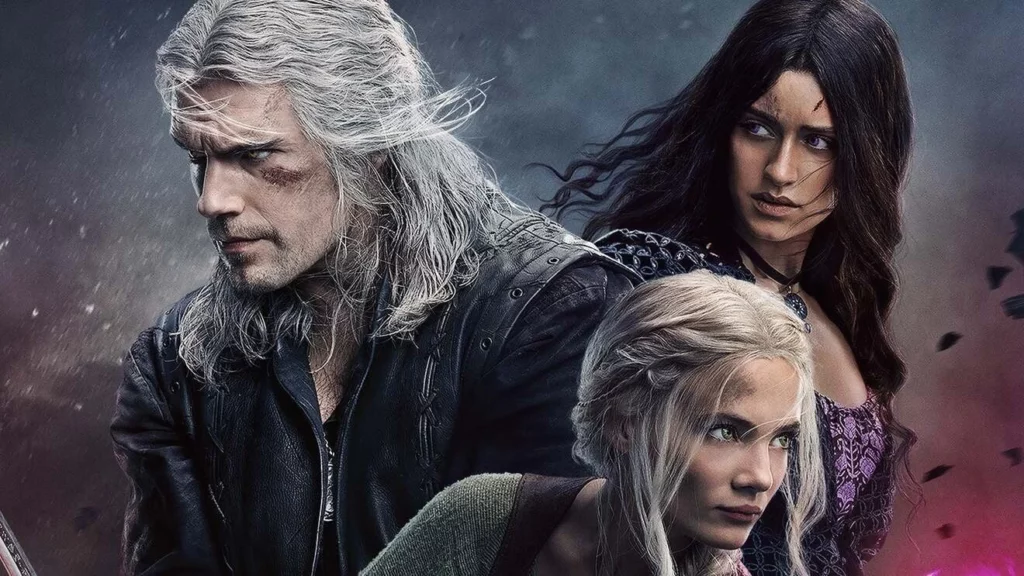
Before we explore its potential connections to other fantasy narratives, let’s summarize what The Witcher is all about. Set in a medieval-inspired world known as the Continent, the series follows Geralt of Rivia, a monster hunter (or Witcher) who navigates a society filled with political intrigue, magic, and monstrous creatures. Geralt’s journey is complicated by his relationships with various characters, including the powerful sorceress Yennefer and the young princess Ciri. The series features complex themes of morality, destiny, and the struggle between human nature and monstrous instincts.
The Roots of Fantasy: A Universe of Similarities
To understand whether The Witcher connects to other fantasy worlds, we must first explore the broader universe of fantasy itself. Many beloved shows—such as Game of Thrones, The Mandalorian, and Shadow and Bone—share common themes, archetypes, and even storytelling structures.
- Common Themes and Archetypes
At the heart of many fantasy narratives are universal themes such as good vs. evil, personal sacrifice, and the quest for knowledge or power. Characters often embody archetypal roles—heroes, antiheroes, mentors, and sidekicks. In The Witcher, Geralt serves as a brooding hero who often clashes with societal norms, much like Jon Snow from Game of Thrones or Geralt’s own mentor, Vesemir.
- Cultural Influences
Just as The Witcher draws on Slavic folklore, other series pull from their cultural backgrounds. Shadow and Bone, for instance, incorporates elements of Russian literature and mythology, while Game of Thrones draws heavily from European history. This cross-pollination of ideas enriches the fantasy landscape, making each universe uniquely captivating while sharing fundamental storytelling qualities.
- The Hero’s Journey
Joseph Campbell’s monomyth, or the hero’s journey, plays a significant role in shaping fantasy narratives. Each character in The Witcher—from Geralt to Ciri—embarks on their unique quests, facing trials and evolving along the way. Similarly, characters from other fantasy series engage in their personal journeys that, while distinct in setting and conflict, mirror each other’s growth and challenges.
1. The Witcher and Middle-Earth
While The Witcher is based primarily on Sapkowski’s series, it’s impossible to ignore the influence of J.R.R. Tolkien’s Middle-Earth on modern fantasy as a whole. Both universes share elements such as elves, monsters, and a richly developed lore.
-
Elders and Monsters: The Witcher’s world features various races, including elves and dwarfs, which have been staples of fantasy since The Hobbit and The Lord of the Rings. The treatment of these races varies – in The Witcher, elves are often oppressed and viewed as outcasts, while Tolkien’s elves are portrayed as noble and wise.
-
Epic Quests: In both universes, characters embark on epic journeys filled with danger and wonder. Geralt’s hunt for the monster that plagues a village mirrors the Fellowship’s quest to destroy the One Ring, highlighting the timeless nature of epic storytelling.
2. Exploring the Connection to Game of Thrones
Another significant player in the modern fantasy landscape is HBO’s Game of Thrones, based on the A Song of Ice and Fire series by George R.R. Martin. While there is no direct connection between these two series, they share a stark realism that sets them apart from other fantasy adaptations.
-
Mature Themes: Both The Witcher and Game of Thrones tackle mature subjects like betrayal, politics, and the human condition, setting them apart from more traditional, whimsical fantasy narratives.
-
Complex Morality: In both worlds, characters navigate a morally grey landscape. Geralt often faces choices that question the nature of good and evil, similar to characters like Jaime Lannister and Tyrion Lannister in Game of Thrones.
[amazon box=”B08XLLF3PG”]
3. Magic in The Witcher and The Magicians
Another insightful comparison can be drawn between The Witcher and Syfy’s The Magicians, a series that found its own footing in the fantasy genre, connecting with contemporary themes, such as mental health and personal identity.
-
A Different Take on Magic: The Witcher features magic prominently but often treats it with a sense of cynicism. In contrast, The Magicians depicts magic as a means to explore inner struggles. This reflects different cultures within their narratives, and how each show portrays the moral implications of power.
-
Character-Driven Storytelling: Both shows heavily focus on character arcs and personal growth. Geralt’s transformation through his relationships with Yennefer and Ciri echoes similar growth seen in the characters from The Magicians.
Netflix’s own Shadow and Bone offers a fascinating parallel with The Witcher, as both series are based on popular literary works and focus on character-driven narratives.
-
Young Protagonists and Their Mentors: The mentorships in both series are crucial—Geralt and Ciri’s dynamic mirrors that of Alina and her mentors in Shadow and Bone. Both series tackle themes of destiny and the weight of power on young shoulders.
-
Richly Built Worlds: The world-building in both shows resonates with viewers, creating a detailed landscape filled with lore, magic, and history. This rich backdrop enhances the narrative and draws audiences into the respective universes.
Franchise Connections: The Bigger Picture
1. Crossover Potential
One of the most exciting aspects of fantasy narratives is the potential for crossovers. While The Witcher, Game of Thrones, and Shadow and Bone are distinct entities, fans have long been enthusiastic about crossover events or even spin-offs featuring characters or lore from one series entering another.
- Fan Theories and Speculations: Online fan forums and social media discussions often highlight similarities between various worlds, suggesting connections that exist in the minds of viewers. Speculations regarding a shared universe abound when characters from different shows occasionally seem to share traits or thematic arcs.
2. Anthology Series
In a time when streaming services favor anthology formats, there may be untapped potential for combining various fantasy narratives. Future series or specials could explore “what if” scenarios where characters from The Witcher meet those from Game of Thrones or Shadow and Bone, thus merging their worlds in creative ways.
3. The Role of Spin-offs
The announcement of spin-offs related to The Witcher, including an animated film and a live-action prequel series, emphasizes the commitment of studios to explore rich worlds and character backstories. These spin-offs could introduce additional nuances that connect them with other fantasy narratives, enriching the storytelling landscape.
Conclusion: A Universe Rich in Stories
While The Witcher may not belong to a shared universe in the traditional sense, it undeniably resonates with the broader fantasy genre. The connections between The Witcher and other celebrated shows reveal a universe rich with similar themes, character arcs, and underlying truths about human nature and morality.
As fans eagerly await more seasons of their favorite shows, the notion of interconnected universes remains an enticing possibility. Until then, whether you’re hunting monsters in the Continent or navigating political intrigue in Westeros, there’s no denying that the world of fantasy storytelling continues to flourish, captivating our imaginations and sparking curiosity about what might lie beyond the horizon of these beloved tales.
So the next time you settle in for an episode of The Witcher, keep your eyes peeled for similarities and connections—it may just lead you to discover an entire universe of captivating stories waiting to be explored!
Happy travels through the realms of fantasy, and may your journey be filled with wonder and enchantment!


