
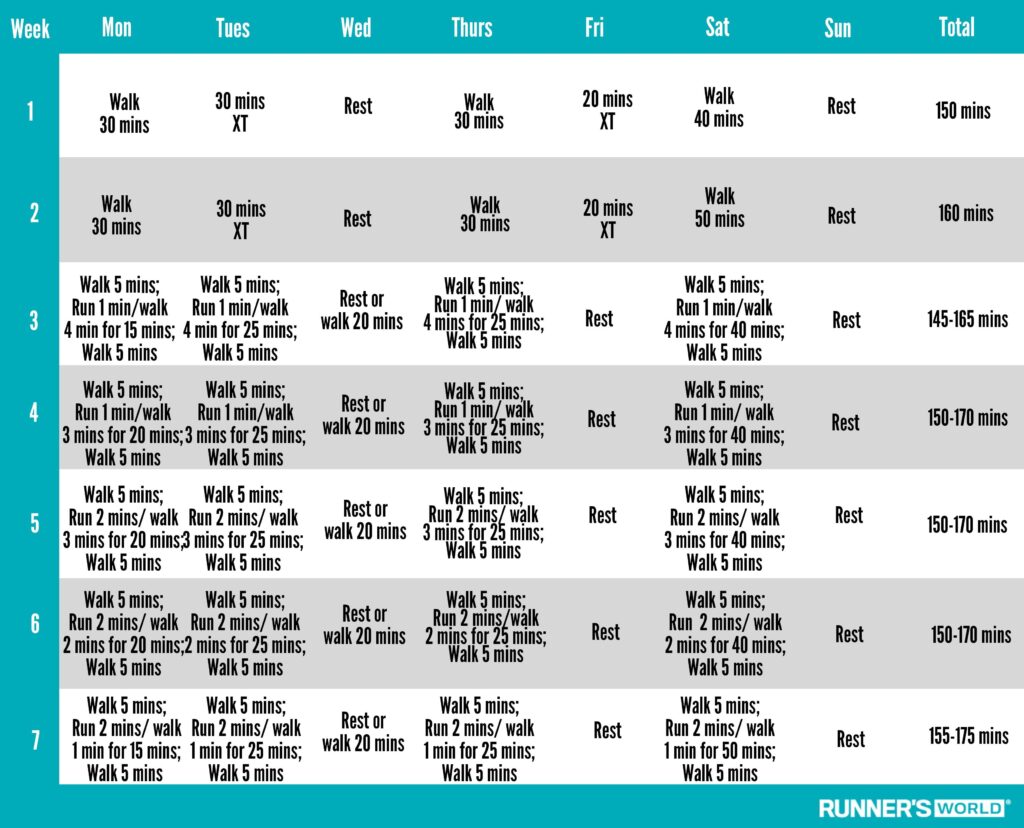
Are you ready to take the first step towards a healthier and more active lifestyle? Starting to run can be intimidating, but with the right guidance, it’s easier than you think. Whether you’re looking to improve your physical health, boost your mood, or simply feel more confident, running is an excellent way to achieve these goals.
Setting Goals and Motivation
Before starting any new exercise program, it’s essential to set specific and achievable goals. What do you want to accomplish by running? Is it to lose weight, improve your overall health, or simply feel more energetic? Having a clear idea of what you want to achieve will help keep you motivated and focused.
Choosing Your First Goal
When setting your first goal, consider the following factors:
- Start with small, achievable milestones. For example, if you’re new to running, aim to increase your weekly mileage by 10% each week.
- Make sure your goals are specific and measurable. Instead of “I want to run more,” try “I will run for 30 minutes three times a week.”
- Focus on progress, not perfection. It’s okay if you don’t see immediate results – the key is to stay consistent and keep moving forward.
The Benefits of Running
Running offers numerous physical and mental health benefits, including:
- Weight loss: Running can help you burn calories and shed pounds, leading to a more toned physique.
- Improved cardiovascular health: Regular running can strengthen your heart and lungs, reducing the risk of heart disease and stroke.
- Increased muscle strength and endurance: As you run, your muscles will become stronger and more efficient, allowing you to tackle daily tasks with ease.
- Enhanced mood and reduced stress levels: Running releases endorphins, also known as “feel-good” hormones, which can help alleviate symptoms of anxiety and depression.
Getting Started with Running
Now that you’ve set your goals and understand the benefits of running, it’s time to get started. Here are some tips to help you begin:
Fitting into a Routine
- Plan out your runs in advance. Set aside specific days and times for your workouts.
- Start with short, manageable sessions. Gradually increase the duration and frequency as you become more comfortable.
Preparing Your Gear
- Invest in good-quality running shoes designed to accommodate your foot type and stride.
- Choose breathable clothing that allows for airflow and moisture-wicking properties.
Finding a Safe and Convenient Location
- Opt for a local park or trail for a scenic and peaceful run.
- Consider joining a running group or finding a running buddy for added motivation and accountability.
Stretching Before Your Run
Before heading out on your first run, make sure to warm up with some light stretching exercises:
- Focus on dynamic stretches that mimic the movements you’ll be making during your run.
- Avoid static stretches that hold a single muscle group in place for an extended period.
Tips for Beginners
- Listen to your body and take regular breaks when needed.
- Stay hydrated by bringing water with you on long runs.
- Be patient with yourself as you develop your endurance and stamina.
How to Run Faster
As you progress in your running journey, it’s time to focus on increasing your speed and efficiency. Here are some tips to help you run faster:
- Incorporate interval training into your routine, which involves alternating between high-intensity sprints and active recovery periods.
- Focus on proper form and technique, including maintaining a smooth stride, engaging your core, and keeping your head up.
Common Mistakes Beginners Make
When starting out with running, it’s easy to fall into common pitfalls that can hinder your progress. Here are some mistakes to watch out for:
- Inconsistent training schedules.
- Insufficient warm-ups and cool-downs.
- Overtraining without adequate recovery time.
By following these tips and being mindful of common mistakes, you’ll be well on your way to becoming a confident and skilled runner. Remember to stay patient, persistent, and kind to yourself throughout your journey – every step forward is a step in the right direction.
Frequently Asked Questions
Q: How often should I run?
A: Aim for at least three times a week, with one or two rest days in between.
Q: What’s the best way to get started?
A: Begin by setting achievable goals and gradually increasing your running frequency and distance.
Q: Can I really lose weight through running?
A: Yes! Running can help you burn calories and build muscle mass, leading to a more toned physique.
Q: How do I know if I’m doing it right?
A: Pay attention to how your body feels during and after runs. If you experience pain or discomfort, adjust your technique or take a break.
Q: Can I run with an injury?
A: While running can be beneficial for overall health, it’s essential to prioritize your body’s safety. Consult with a medical professional before resuming exercise if you’ve suffered an injury.
Tips for Staying Motivated
- Find a running buddy or join a running group for added accountability and motivation.
- Track your progress through a running app or journaling.
- Reward yourself after reaching milestones or completing challenging runs.
Safety Precautions
When starting out with running, safety should be top of mind:
- Wear visible clothing and reflective gear during early morning or evening runs.
- Run in well-lit areas or carry a flashlight when running at night.
- Avoid running alone in isolated areas.
- Inform a friend or family member of your planned route and estimated return time.
Nutrition and Hydration
Proper nutrition and hydration are crucial for optimal performance:
- Fuel your body with a balanced diet that includes complex carbohydrates, lean proteins, and healthy fats.
- Stay hydrated by drinking water or sports drinks during runs.
- Avoid consuming heavy meals before or after exercise.
Incorporating Strength Training
Strength training can help you build muscle mass and enhance running performance:
- Incorporate strength exercises into your routine, focusing on lower-body muscles like legs and glutes.
- Aim to perform 2-3 strength sessions per week.
By combining these tips with a healthy lifestyle, you’ll be well on your way to achieving your running goals. Remember to stay patient, persistent, and kind to yourself throughout your journey – every step forward is a step in the right direction.
Advanced Running Techniques
As you progress in your running journey, it’s time to focus on advanced techniques that can help you optimize your performance:
- Incorporate hill sprints into your routine to improve explosive power.
- Focus on proper form and technique during runs, including maintaining a smooth stride and engaging your core.
Running with Formative Goals
When setting goals for running, consider incorporating formative goals that focus on improving specific aspects of your running:
- Incorporate interval training into your routine to improve cardiovascular health.
- Focus on building strength and endurance through proper exercise techniques.
By focusing on these advanced techniques and formative goals, you’ll be able to optimize your performance and achieve success in your running journey.



