
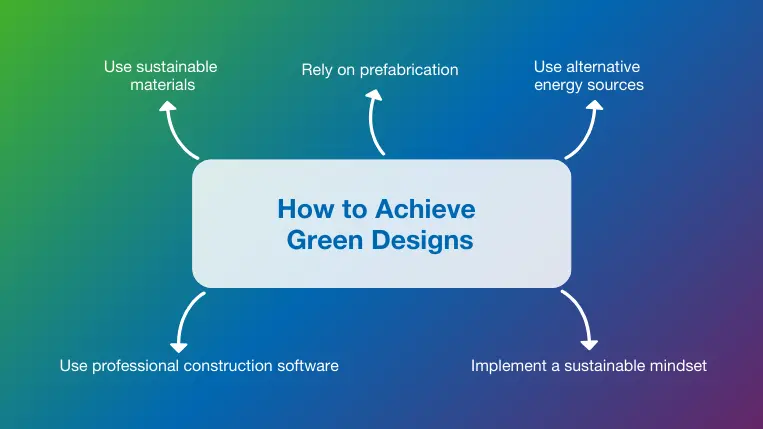
As we navigate the complexities of modern life, it’s easy to overlook the impact our daily choices have on the environment. However, a growing awareness of the importance of sustainable living has given rise to a movement known as “green design.” This holistic approach to product development, service creation, and space planning aims to minimize negative environmental effects while promoting human well-being.
In this article, we’ll delve into the world of green design, exploring its meaning, significance, and applications across various industries. We’ll examine the relationship between green design and circular economy, as well as the concept of a “green lifestyle.” Additionally, we’ll showcase five examples of green design in action, highlighting innovative products and practices that are making a positive impact on our planet.
What is Green Design?
Green design refers to the process of creating products, services, or spaces that minimize their ecological footprint. This approach considers the entire lifecycle of a product, from its initial design phase to its end-of-life disposal. The goal is to use resources efficiently, reduce waste and emissions, and incorporate sustainable materials whenever possible.
In green design, attention is paid to energy consumption, aiming to utilize renewable energy sources and minimize overall energy usage. Social sustainability is also a key aspect, focusing on the well-being of individuals involved in the product’s lifecycle, from labor to communities as a whole.
The Relationship Between Green Design and Circular Economy
Green design and circular economy are two interconnected concepts that share the objective of promoting sustainability. While green design focuses on designing products with a low environmental impact, circular economy is an economic model aimed at eliminating waste and maximizing resource efficiency.
Both green design and circular economy strive to reduce their negative impact on the environment and promote sustainable use of resources. Green design provides the foundation for responsible resource usage, while circular economy offers a broader context in which these products can be used sustainably.
Green Lifestyle: The Concept of “Green Lifestyle”
The term “lifestyle” refers to an individual’s style of living, encompassing their habits, values, and choices. In the context of green design, a “green lifestyle” represents a way of living that emphasizes sustainability, resource conservation, and environmental responsibility.
This style of life focuses on everyday choices that collectively have a significant impact on both individual and collective levels. Adopting a green lifestyle doesn’t just mean recycling or turning off lights when not in use; it also involves reviewing one’s habits more broadly, from the food we eat to the transportation methods we use.
5 Examples of Green Design
To illustrate the concept of green design in practice, let’s examine five examples in different sectors:
1. Buildings with Zero Energy Consumption
In architecture, buildings with zero energy consumption (or NZEB) are an iconic example of green design. They use advanced insulation materials, intelligent ventilation systems, and harness renewable energy sources to minimize energy consumption.
2. Electric Vehicles
In the automotive sector, electric vehicles represent a significant step forward in green design. Besides eliminating direct emissions of greenhouse gases, many of these vehicles are designed with recyclable materials and easily removable components to facilitate recycling at the end of their lifecycle.
3. Sustainable Furniture Made from Recycled or Sustainably Sourced Materials
In the furniture industry, green design can manifest through the use of recycled or sustainably sourced materials, such as reclaimed wood or plastic that’s been recycled. Some companies also use biodegradable materials or renewable sources like bamboo.
4. High-Efficiency Home Appliances
Home appliances with high energy efficiency are designed to use less energy without compromising performance. This not only reduces environmental impact but also saves consumers money.
5. Everyday Products that are Eco-Friendly and Compatible with the Environment
Even everyday products, such as reusable water bottles, cloth shopping bags, and compostable dishcloths, can be examples of green design. These products are designed to reduce waste and encourage reuse, often made from materials with minimal environmental impact.
Each of these examples demonstrates how green design can be applied in various sectors to create products that are not only functional and aesthetically pleasing but also environmentally sustainable.
The Benefits of Green Design
Green design has numerous benefits for individuals, businesses, and the environment as a whole. Some of the key advantages include:
- Reduced environmental impact: By minimizing waste, emissions, and resource consumption, green design helps reduce its negative impact on the environment.
- Increased energy efficiency: Green design aims to minimize energy consumption, which can lead to cost savings for consumers and businesses alike.
- Improved public health: By reducing pollution and promoting clean air and water, green design contributes to improved public health and well-being.
- Enhanced brand reputation: Companies that adopt green design principles are likely to be viewed positively by consumers and investors alike.
- Increased economic competitiveness: Green design can help businesses reduce costs associated with waste disposal and minimize regulatory compliance.
Challenges and Opportunities
Despite the many benefits of green design, there are also several challenges and opportunities to consider. Some of these include:
- Higher upfront costs: While green design can lead to long-term cost savings, it often requires significant investments in new technologies or materials.
- Limited public awareness: Many consumers may not be aware of the importance of green design or the benefits associated with sustainable products and practices.
- Regulatory framework: Governments and regulatory bodies must create supportive policies and frameworks for green design to thrive.
- Public engagement and education: Engaging the public in discussions about green design and its benefits can help build support and drive adoption.
Conclusion
Green design is a rapidly evolving field that holds the key to creating a more sustainable future for all. By adopting a holistic approach to product development, service creation, and space planning, we can minimize negative environmental effects while promoting human well-being.
As individuals, businesses, and communities, we have the power to drive positive change through our choices. By embracing green design principles and practices, we can create a world where sustainability is not just a goal, but a reality for all.
Frequently Asked Questions (FAQs)
- What is the main objective of green design?
Green design aims to minimize negative environmental effects while promoting human well-being by using resources efficiently, reducing waste and emissions, and incorporating sustainable materials whenever possible.
2. How does green design relate to circular economy?
Green design provides the foundation for responsible resource usage, while circular economy offers a broader context in which products can be used sustainably, eliminating waste and maximizing resource efficiency.
3. What is the significance of social sustainability in green design?
Social sustainability focuses on the well-being of individuals involved in the product’s lifecycle, from labor to communities as a whole, ensuring that green design benefits both humans and the environment.
4. How can everyday choices contribute to a green lifestyle?
Adopting a green lifestyle involves reviewing one’s habits broadly, from food consumption to transportation methods, making conscious choices that collectively have a significant impact on sustainability.
5. What are some examples of green design in action?
Buildings with zero energy consumption, electric vehicles, sustainable furniture made from recycled or sustainably sourced materials, high-efficiency home appliances, and everyday products designed for reuse and recyclability are all examples of green design in practice.
- How can individuals drive positive change through their choices?
By embracing green design principles and practices, individuals can create a world where sustainability is not just a goal, but a reality for all, driving positive change through their daily choices.
7. What role do businesses play in promoting sustainable design?
Businesses have a significant impact on promoting sustainable design by adopting green design principles, reducing waste, and using resources efficiently, setting an example for consumers and inspiring others to follow suit.
8. How can communities come together to drive positive change?
Communities can come together to drive positive change through initiatives like sustainability workshops, community gardens, and environmental activism, promoting a shared vision of a more sustainable future.



