
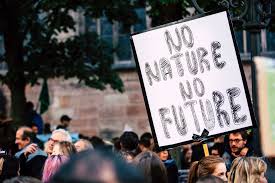
The Rise of Environmental Journalists: Professionals Shaping the Narrative on Sustainability
Environmental journalism has emerged as a vital profession, playing a crucial role in educating the public about environmental issues and their far-reaching consequences. As the world grapples with climate change, conservation, and sustainability, it is essential to have a knowledgeable and objective voice that reports accurately and impartially.
Defining Environmental Journalists
To be an effective environmental journalist, one must possess a solid understanding of scientific principles, technical vocabulary, and the ability to convey complex information in an accessible manner. They should also be well-versed in the dynamics and policies surrounding environmental issues and be able to critically evaluate the data and research.
Environmental journalists need to stay up-to-date with the latest developments in fields such as climate science, ecology, and conservation biology. They must also have a deep understanding of the social and economic factors that influence human behavior and decision-making related to the environment.
The Importance of Independence
A truly credible environmental journalist should be independent of any influential organizations or special interests that may compromise their objectivity. This allows them to provide unbiased coverage, unearthing hidden stories and shedding light on the most pressing environmental concerns.
Independence is crucial in environmental journalism because it enables journalists to report accurately and critically on issues without being swayed by external pressures. It also allows them to speak truth to power and hold those in positions of authority accountable for their actions.
The Impact on Society and Economy
Environmental issues have a profound impact on our daily lives, influencing everything from our food supply to transportation systems. The consequences of inaction or poor decision-making can be severe, affecting entire nations’ economies and ecosystems.
Environmental journalists play a vital role in shaping public opinion and policy decisions related to sustainability. By providing accurate and unbiased reporting on environmental issues, they help inform policymakers about the need for action and hold them accountable for their decisions.
The FIMA Initiative: Promoting Environmental Journalism
In 2013, the Federazione Italiana Media Ambientali (FIMA) was established to promote and enhance environmental journalism in Italy. The organization brings together leading publications focused on environmental issues, with IdeeGreen.it being a member.
As a result of this initiative, a growing community of experienced and respected journalists has emerged. FIMA provides training programs, workshops, and conferences for its members, helping them stay up-to-date with the latest developments in environmental journalism.
Key Figures in Environmental Journalism
Two notable figures in the field of environmental journalism are Emanuele Bompan and Maria Cristina Ceresa. Emanuele, a renowned journalist specializing in climate change, green economy, and international politics, has won several prestigious awards for his work.
Maria Cristina Ceresa, director of GreenPlanner.it, has spent years covering renewable energy, energy efficiency, and sustainable transportation. Her expertise and passion make her an invaluable resource in the field of environmental journalism.
Beyond Credentials: The Uncompromising Nature of Environmental Journalism
While credentials and experience are essential for a journalist to be considered authoritative, they should not be seen as a guarantee of objectivity. A truly great environmental journalist must demonstrate a commitment to truth, fairness, and critical thinking.
The profession of journalism is not standardized in most European countries, leaving journalists to navigate complex moral dilemmas on their own. This lack of regulation can lead to conflicts of interest and compromised reporting.
The Society of Environmental Journalists: A Beacon of Integrity
In contrast, the Society of Environmental Journalists (SEJ) is a respected organization that promotes journalistic excellence and integrity in the field of environmental journalism. With over 1,200 members worldwide, SEJ offers training programs, conferences, and networking opportunities to its members.
SEJ also provides resources and guidance for journalists who want to report on environmental issues with accuracy and fairness. By promoting high-quality reporting, SEJ helps ensure that the public receives unbiased information about the most pressing environmental concerns.
Joining the Movement: A Call to Action
As we move forward in this critical period for our planet, it is imperative that we prioritize accurate and unbiased reporting on environmental issues. By supporting reputable sources like IdeeGreen.it and organizations like FIMA and SEJ, we can empower a new generation of journalists to tell the stories that need to be told.
Here are some frequently asked questions about environmental journalism:
Q: What qualities make an effective environmental journalist?
A: A solid understanding of scientific principles, technical vocabulary, ability to convey complex information in an accessible manner, critical thinking, and independence from special interests.
Q: How can journalists maintain their objectivity in the face of conflicting pressures?
A: By staying informed, critically evaluating data and research, and prioritizing truth and fairness above all else.
Q: What role do organizations like FIMA play in promoting environmental journalism?
A: Organizations like FIMA provide a platform for experienced journalists to share knowledge, best practices, and expertise, helping to promote high-quality reporting on environmental issues.
Q: How can individuals support reputable sources of environmental journalism?
A: By engaging with reputable news outlets, attending events and conferences hosted by organizations like SEJ, and sharing articles and stories with others.
Q: What are the benefits of joining an organization like SEJ for environmental journalists?
A: Members receive training programs, networking opportunities, access to resources and expertise, and a sense of community and support from peers who share similar values and goals.
Q: How can environmental journalism be integrated into mainstream media coverage?
A: By providing accurate and unbiased reporting on pressing environmental issues, highlighting the human impact of environmental problems, and showcasing solutions and successes in sustainability efforts.
Q: What is the future of environmental journalism, and what challenges will it face in the coming years?
A: Environmental journalists will need to continue adapting to changing media landscapes, emerging technologies, and shifting societal priorities while maintaining their commitment to truth, fairness, and integrity.
Q: How can readers and viewers support high-quality environmental journalism?
A: By seeking out reputable sources of information, engaging with articles and stories in a thoughtful and critical manner, and advocating for accurate reporting on environmental issues.
The Future of Environmental Journalism
As the world continues to grapple with environmental challenges, environmental journalists will play an increasingly vital role in shaping public opinion and policy decisions. To succeed, they must stay informed, critically evaluate data and research, and prioritize truth and fairness above all else.
In addition to these skills, environmental journalists need to be adaptable and willing to take risks. They must also be committed to transparency and accountability, ensuring that their reporting is accurate, unbiased, and informative.
By supporting reputable sources of information and advocating for high-quality reporting on environmental issues, individuals can help empower a new generation of environmental journalists to tell the stories that need to be told.
Conclusion
Environmental journalism has emerged as a vital profession, playing a crucial role in educating the public about environmental issues and their far-reaching consequences. As the world grapples with climate change, conservation, and sustainability, it is essential to have a knowledgeable and objective voice that reports accurately and impartially.
By supporting reputable sources like IdeeGreen.it and organizations like FIMA and SEJ, we can empower a new generation of environmental journalists to tell the stories that need to be told. By prioritizing accurate and unbiased reporting on environmental issues, individuals can help shape public opinion and policy decisions related to sustainability.
The future of environmental journalism is bright, but it also presents significant challenges. As the media landscape continues to evolve, environmental journalists must stay adaptable, critically evaluate data and research, and prioritize truth and fairness above all else.
By embracing these principles and working together, we can create a more sustainable future for our planet.



