
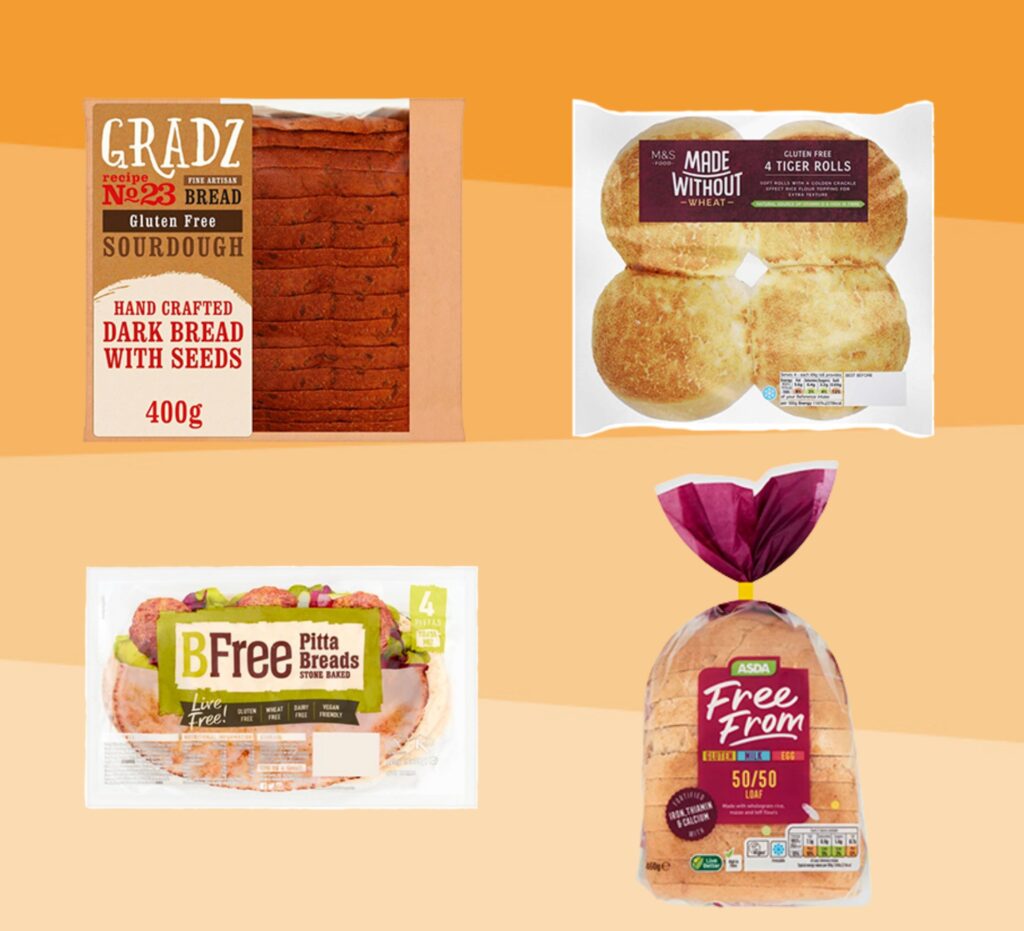
As a person with celiac disease or gluten intolerance, baking bread can be a daunting task. However, with the right ingredients and a simple recipe, you can create delicious gluten-free bread at home without breaking the bank.
In this article, we’ll explore the world of gluten-free bread-making, focusing on a simple and affordable recipe using grano saraceno flour. We’ll also discuss the benefits of using this type of flour and provide tips for achieving the perfect loaf.
What is Grano Saraceno Flour?
Grano saraceno flour is a type of wheat flour that is naturally gluten-free. It’s made from the grain of the same name, which is native to the Middle East and Mediterranean regions. Unlike traditional wheat flour, grano saraceno flour doesn’t contain gluten, making it an excellent option for those with gluten intolerance or sensitivity.
Why Choose Grano Saraceno Flour?
Grano saraceno flour has several benefits that make it an attractive choice for gluten-free baking:
- Easy to find: Grano saraceno flour is widely available in most health food stores and online retailers.
- Affordable: Compared to other gluten-free flours, grano saraceno flour is relatively inexpensive.
- Nutritious: Grano saraceno flour is high in protein, fiber, and minerals, making it a nutritious addition to your diet.
The Benefits of Gluten-Free Bread
Gluten-free bread has several benefits that make it an attractive option for those with gluten intolerance or sensitivity:
- Increased energy: Gluten-free bread can help increase energy levels due to the absence of gluten.
- Improved digestion: Gluten-free bread is often easier to digest than traditional wheat bread, reducing symptoms of bloating and discomfort.
- Weight management: Gluten-free bread can be lower in calories and carbohydrates compared to traditional wheat bread.
A Simple Recipe for Gluten-Free Bread
In this article, we’ll provide a simple recipe for gluten-free bread using grano saraceno flour. This recipe is perfect for beginners and experienced bakers alike, as it requires minimal ingredients and equipment.
Ingredients:
- 2 eggs
- 500 ml of warm water
- 100 g of olive oil
- 20 g of sugar cane syrup
- 10 g of salt
- 220 g of grano saraceno flour
- 120 g of rice flour
- 12 g of dry yeast
- Sesame seeds, sunflower seeds, flaxseeds, or chia seeds (optional)
Instructions:
- Preheat the oven to 200°C.
- In a mixing bowl, combine eggs, warm water, olive oil, sugar cane syrup, and salt.
- Gradually add grano saraceno flour and rice flour while mixing until smooth dough forms.
- Add yeast to the mixture and mix well.
- Knead the dough for about 10 minutes or until it becomes elastic.
- Place the dough in a greased bowl, cover with a damp cloth, and let it rise for 15-20 minutes.
- Shape the dough into a round loaf and place it on a baking sheet lined with parchment paper.
- Bake the bread for about 45-50 minutes or until golden brown.
Tips for Achieving the Perfect Loaf
To achieve the perfect gluten-free bread, follow these tips:
- Use the right flour: Grano saraceno flour is essential for creating a light and airy texture.
- Don’t overmix: Overmixing can lead to a dense and tough loaf.
- Use the right yeast: Yeast is crucial for fermentation, so use a high-quality yeast that’s suitable for gluten-free baking.
Common Mistakes to Avoid
When making gluten-free bread, there are several common mistakes to avoid:
- Using old or low-quality ingredients: Old flour can be stale and affect the texture of your bread. Similarly, using low-quality yeast can lead to a less effective fermentation process.
- Not kneading enough: Kneading is essential for developing gluten-free dough. If you don’t knead enough, your bread may not develop properly.
- Overbaking: Gluten-free bread can dry out quickly if it’s overbaked.
Conclusion
Gluten-free bread-making has come a long way in recent years. With the rise of grano saraceno flour, bakers can now create delicious and nutritious loaves without breaking the bank. By following our simple recipe and tips, you’ll be well on your way to creating perfect gluten-free bread at home.
FAQs
Q: What is the best type of flour for gluten-free baking?
A: Grano saraceno flour is an excellent choice for gluten-free baking due to its high protein content and low gluten levels.
Q: How do I choose the right yeast for gluten-free baking?
A: Choose a high-quality yeast that’s specifically designed for gluten-free baking. Some popular options include active dry yeast and instant yeast.
Q: Can I make gluten-free bread with other types of flour?
A: While grano saraceno flour is ideal, you can experiment with other flours such as rice flour, almond flour, or coconut flour to create different textures and flavors.
Q: How do I store gluten-free bread to maintain its freshness?
A: Store gluten-free bread in an airtight container at room temperature. You can also freeze it for up to 3 months to maintain its freshness.
Q: Can I make gluten-free bread in the microwave?
A: While possible, making gluten-free bread in the microwave may not produce the same results as baking it in the oven. The texture and structure may be affected due to uneven heating.
Q: How do I ensure my gluten-free bread is safe for consumption?
A: Always check with a healthcare professional or registered dietitian before consuming gluten-free products, especially if you have celiac disease or severe gluten intolerance.
Additional Tips
- Experiment with different flours: Try using different types of flour to create unique textures and flavors.
- Add flavorings: Add herbs, spices, nuts, or seeds to give your bread an extra boost of flavor.
- Try different cooking methods: Bake, grill, or toast your gluten-free bread for a crispy crust.
By following these tips and experimenting with different flours and ingredients, you can create delicious gluten-free bread at home. Remember to always check the ingredient labels and ensure that any added ingredients are safe for consumption.


