
Understanding the Difference between 0 and 00 Flour
As a consumer, it’s essential to have knowledge about the products we buy, especially when it comes to food. In today’s world, where manufacturers often prioritize profit over quality, it’s crucial to be aware of the ingredients in our food. One such ingredient is flour, which comes in various types, including 0 and 00 flours. But what exactly are these flours, and how do they differ from one another?
The History of Flour Refining
Flour has been refined for centuries to make it easier to work with and more palatable. The refining process involves removing the bran and germ from wheat, leaving behind just the starchy endosperm. This process reduces the nutritional value of the flour but makes it ideal for baking.
The Difference between 0 and 00 Flour
The terms “farina 0” and “farina 00” are often used interchangeably, but they refer to different types of refined flour. The main difference lies in their refining process and the resulting nutritional content.
- Farina 0: This type of flour is less refined than farina 00 and contains more nutrients, including fiber, vitamins, and minerals.
- Farina 00: As the name suggests, this type of flour is even more refined, with an even lower nutrient content.
The Refining Process
The refining process involves passing wheat through a series of rollers to remove the bran and germ. This process can be done in various ways, including using steel rollers or stone mills. The resulting flour is then sifted to remove any remaining particles, leaving behind just the starchy endosperm.
Nutritional Content
Both farina 0 and 00 flours are low in nutrients compared to whole wheat flour. However, they do contain some essential vitamins and minerals, including iron, B vitamins, and selenium. To put this into perspective:
- Farina 0: Contains about 11% protein, making it suitable for baking bread, pizza crusts, and other baked goods.
- Farina 00: Contains about 9% protein, making it less suitable for baking products that require a higher protein content.
Choosing the Right Flour
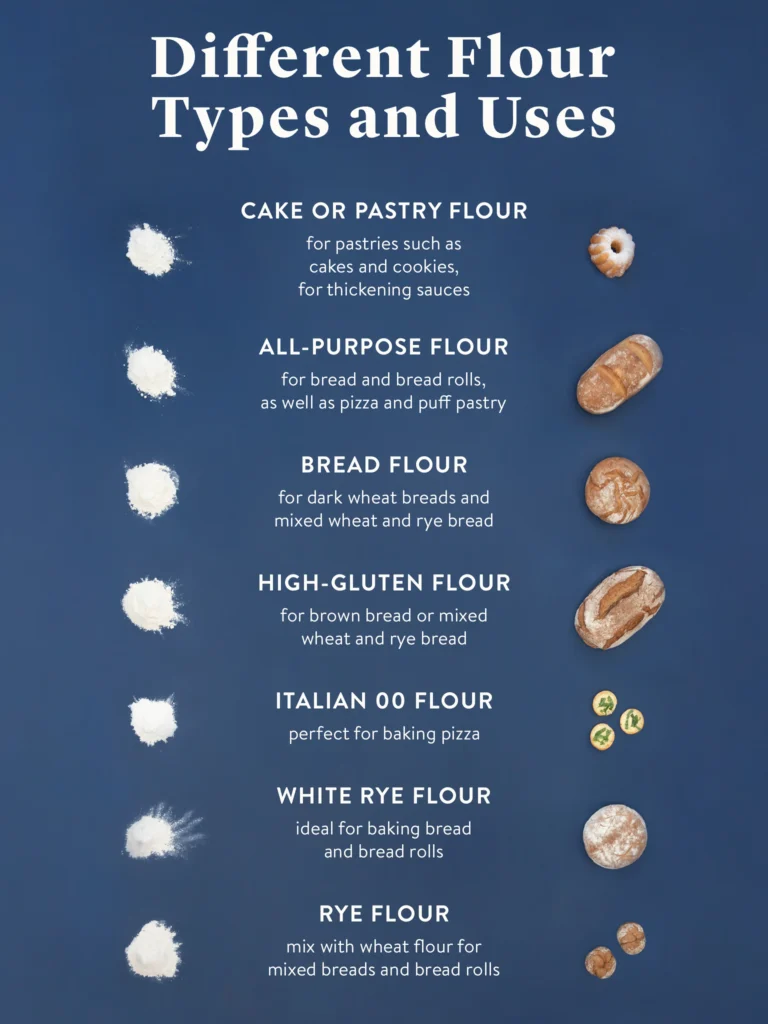
When selecting flour for baking, consider the type of product you’re making. For example:
- Bread: Farina 0 or farina 00 are good options, as they provide enough protein to help the bread rise.
- Pizza crusts: Farina 00 is a better choice, as it produces a crisper crust.
- Desserts: Both flours can be used, but farina 0 may add more texture and flavor.
Fermentations
In recent years, there has been an increasing interest in using natural yeast starters instead of commercial yeast for fermentations. This approach allows consumers to create their own sourdough starter, which can be used to leaven bread and other baked goods.
Benefits of Natural Yeast Starters
Using a natural yeast starter offers several benefits, including:
- Improved flavor: Sourdough starters produce a unique flavor that is often described as tangy and slightly sour.
- Increased nutrition: Sourdough starters can increase the nutritional content of bread by breaking down some of the phytates in the flour.
- Lower glycemic index: Sourdough bread has a lower glycemic index than traditional bread, making it a better option for those with diabetes or blood sugar concerns.
Challenges of Using Natural Yeast Starters
Using natural yeast starters can also present some challenges, including:
- Time commitment: Creating and maintaining a sourdough starter requires a significant time commitment.
- Equipment requirements: Sourdough starters require specialized equipment, such as ceramic or glass containers with lids.
- Temperature control: Sourdough starters require precise temperature control to maintain their health and activity.
Conclusion
Choosing the right flour for your baking needs requires understanding the differences between 0 and 00 flours. Both types are refined and low in nutrients but can still produce delicious results when used correctly. By selecting the right flour for your recipe, you’ll be able to create a wide range of baked goods that are not only delicious but also nutritious.
Frequently Asked Questions
- What is the difference between farina 0 and 00?
- Farina 00 is more refined than farina 0.
- Which flour is higher in protein?
- Farina 0 contains about 11% protein, while farina 00 contains about 9% protein.
- Can I use farina 00 for making pizza crusts?
- Yes, farina 00 produces a crisper crust than farina 0.
- Is using natural yeast starters better than commercial yeast for fermentations?
- Using natural yeast starters can be beneficial for consumers who prefer a more traditional approach to baking.
Recommended Products
For those interested in trying out different types of flour, here are some recommendations:
- King Arthur Flour: Offers a variety of flours, including unbleached all-purpose flour and whole wheat flour.
- Bob’s Red Mill: Specializes in stone-ground flours that are high in protein and nutrients.
Final Thoughts
As consumers, we have the power to demand better quality from manufacturers. By understanding the differences between 0 and 00 flours, you can make informed decisions when shopping for ingredients. Whether you’re a seasoned baker or just starting out, selecting the right flour is an essential part of creating delicious baked goods.


