
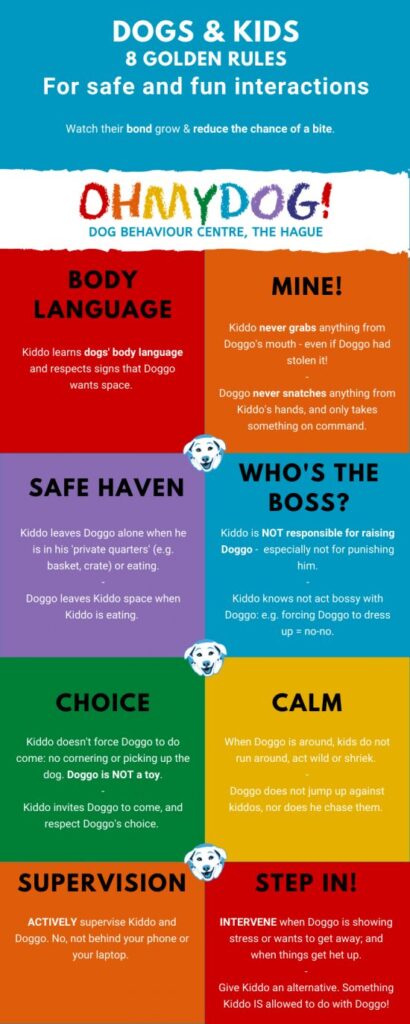
As a responsible pet owner, it’s essential to consider the well-being of both your furry friend and your little ones. The relationship between dogs and babies can be incredibly rewarding, but it also requires careful attention and guidance.
Understanding the Unique Bond Between Dogs and Babies
The bond between dogs and babies is unlike any other. It’s a beautiful thing to witness, with dogs showering their new companions with affection and loyalty. However, this relationship also comes with its own set of challenges. Just like children, dogs are unpredictable and can be prone to accidents. It’s crucial for parents-to-be to consider these factors before bringing a new furry friend into their home.
The Importance of Preparation
Before introducing your dog to the baby, it’s essential to prepare both parties for the arrival of the new addition. This includes training your dog to behave calmly and patiently around children, as well as ensuring that your home is safe and dog-proofed.
Preparing Your Dog
- Consult with a veterinarian to ensure your dog is healthy enough for the introduction.
- Invest in obedience training to teach your dog basic commands, such as “sit” and “stay.”
- Gradually introduce your dog to baby-related items, like toys and blankets, to help them become desensitized to the new sounds and smells.
Preparing Your Home
- Secure any loose wires or toxic substances out of reach.
- Move breakable items to high shelves or secure them with cord protectors.
- Consider investing in a baby gate to block off areas that may be hazardous for your dog.
The Benefits of Canine-Baby Companionship
Research has shown that having a dog can have numerous benefits for families with young children. These include:
- Improved social skills: Children learn important social skills by interacting with their pets.
- Enhanced emotional intelligence: Dogs can help children develop empathy and understanding towards others.
- Increased physical activity: Playing with dogs encourages children to engage in regular exercise.
Common Challenges Faced by Canine-Baby Companionship
Despite the many benefits, there are also some common challenges that families may face when introducing their dog to a new baby. These include:
- Accidents: Dogs can accidentally knock over or bite a baby, causing harm.
- Resource guarding: Dogs may become protective of food, toys, and other resources around babies.
Strategies for Overcoming Common Challenges
- Supervise interactions closely: Always keep an eye on your dog when they’re interacting with the baby to prevent accidents.
- Teach your dog basic obedience commands: This will help you maintain control over your dog during stressful situations.
- Gradually introduce new family members: Introduce your dog to the baby gradually, allowing them to become comfortable with each other’s presence.
Tips for a Harmonious Household
To ensure that your household remains harmonious, consider the following tips:
- Establish clear boundaries and rules: Make sure everyone in the household understands what is expected of them.
- Provide separate spaces: Give both your dog and baby their own areas where they can retreat when needed.
- Show love and affection: Be sure to shower both your dog and baby with love and attention, as this will help strengthen the bond between them.
By following these tips and being mindful of the unique challenges that come with canine-baby companionship, you can create a harmonious and loving home for all members of your family.
Frequently Asked Questions
Q: How long should I wait before introducing my dog to the baby?
A: It’s essential to wait until your dog is fully vaccinated and has had proper training before introducing them to the baby. This will ensure both parties are healthy and well-behaved.
Q: What can I do if my dog starts resource guarding around the baby?
A: If you notice your dog becoming protective of resources around the baby, consult with a professional dog trainer or behaviorist for guidance. They can help you develop strategies to overcome this issue.
Q: Can having a dog affect my baby’s development?
A: Having a dog can have numerous benefits for babies, including improved social skills and enhanced emotional intelligence. However, it’s crucial to ensure that your dog is well-behaved and provides a safe environment for the baby.
Q: How often should I bathe my dog before bringing them home with the baby?
A: It’s recommended to wash your dog regularly to keep them clean and reduce the risk of infection. However, be sure not to bathe them too frequently, as this can dry out their skin and coat.
Q: What are some common health issues that dogs may have around babies?
A: Some common health issues that dogs may experience around babies include ear infections, skin allergies, and gastrointestinal problems. Regular veterinary check-ups can help identify any potential health issues early on.
Q: Can I adopt a dog if I’m expecting a baby?
A: Yes, it’s possible to adopt a dog while expecting a baby. However, be sure to consider factors such as the dog’s temperament, energy level, and size before making a decision. It’s also essential to discuss your plans with your veterinarian to ensure both you and your dog are healthy enough for the introduction.
Q: How can I prepare my home for a new dog and baby?
A: To prepare your home for a new dog and baby, consider investing in dog-proofing products like baby gates, cord protectors, and secure storage containers. You may also want to install pet-friendly flooring or make other modifications to ensure a safe environment for both your dog and baby.
Q: What are some signs of a healthy canine-baby relationship?
A: A healthy canine-baby relationship is characterized by mutual respect, trust, and affection. Signs of a healthy relationship include:
- The dog remaining calm and patient around the baby
- The dog not resource guarding or becoming aggressive towards the baby
- The dog responding positively to basic obedience commands
- The dog showing interest in interacting with the baby
By being aware of these signs and taking steps to create a harmonious environment, you can help ensure that your canine-baby companionship is a positive and rewarding experience for all.


