
Introduction
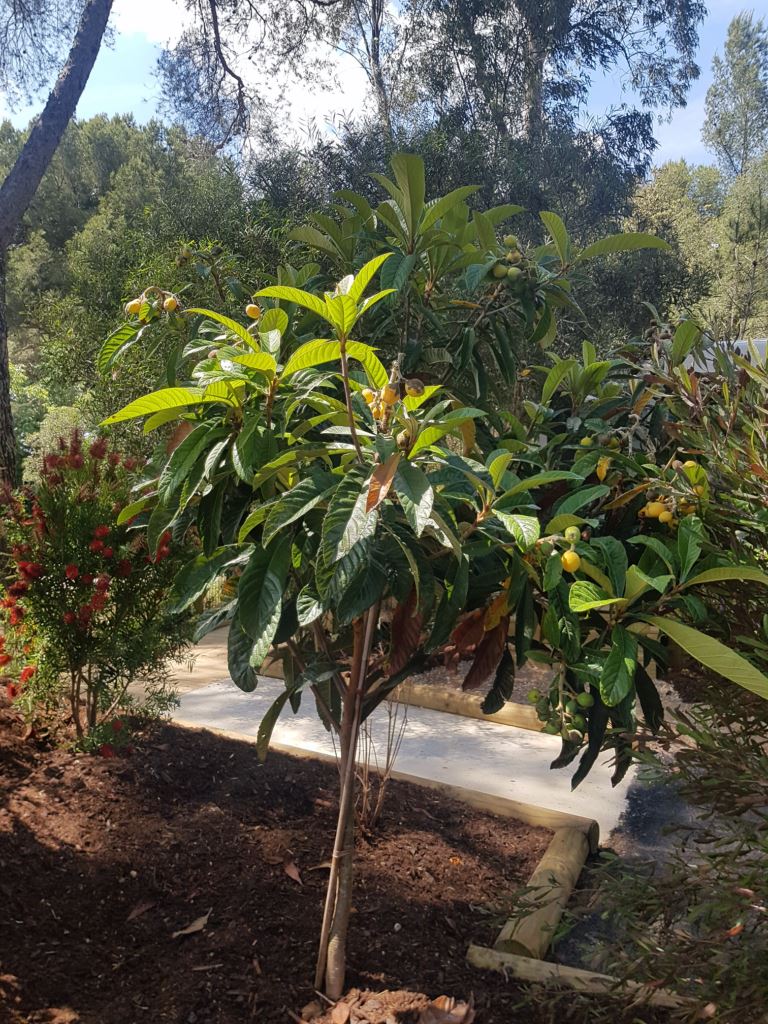
As we explore the world of fruit trees, few species have captivated as much attention as the Nespolo del Giappone, also known as Eriobotrya japonica. This beautiful tree has been delighting gardeners, chefs, and health enthusiasts for centuries, thanks to its unique characteristics, versatile uses, and impressive benefits. In this article, we’ll delve into the history, cultivation, properties, and uses of the Nespolo del Giappone, a true gem of nature.
The Origins of the Nespolo del Giappone
While often associated with Japan, the Nespolo del Giappone is actually native to China. It was introduced to Japan in the 19th century and later brought to Europe, including Italy, Spain, and Greece, where it has been cultivated since 1812. Today, this tree can be found not only in Mediterranean countries but also in other parts of the world, showcasing its adaptability and appeal.
The Nespolo del Giappone: A Brief Overview
Physical Characteristics
- Height: 15-20 feet (4.5-6 meters)
- Leaf size: Large, with a distinctive profile
- Fruits: Small to medium-sized, round or oval in shape, with yellow or orange pulp and seeds
- Growth habit: Evergreen, with dense branches and a rounded crown
Flowering Period
The Nespolo del Giappone blooms during the winter months, from November to February. This unusual flowering period makes it a fascinating specimen for gardeners and botanists alike.
Cultivation and Care
While not as demanding as some other fruit trees, the Nespolo del Giappone requires some care to thrive:
- Soil: Well-draining, with minimal humidity
- Climate: Temperate or subtropical regions with mild winters
- Pruning: Occasional pruning for maintenance and shaping
Propagation Methods
The Nespolo del Giappone can be propagated using various methods, including seed germination, grafting, and budding.
Harvesting Fruits
Fruits are typically ready between December and April. For optimal flavor and texture, pick them when they reach their yellow-orange color stage.
Properties and Uses
The Nespolo del Giappone is not only a popular fruit tree but also has several valuable properties:
- Leaves: Used in traditional medicine for skin conditions and diabetes
- Miele (Honey): Rich in nutrients and energy, highly valued in Italy and Spain
- Fruits: Enjoyed fresh or used for marmalades, jams, and beverages
Traditional Uses of the Nespolo del Giappone
In various cultures, the Nespolo del Giappone has been employed for centuries to treat a range of ailments. These traditional uses are still practiced today:
- Medicinal properties: The leaves and fruits have been used in traditional medicine to treat skin conditions like eczema and acne.
- Culinary uses: The fruit is eaten fresh, used in marmalades, jams, and as a sweetener for beverages. The honey produced by the Nespolo del Giappone is highly valued for its nutritional properties.
- Beverages: In some regions, the Nespolo del Giappone is cultivated specifically for its fruit juice.
Modern Applications of the Nespolo del Giappone
In addition to traditional uses, researchers and scientists have been exploring the potential applications of the Nespolo del Giappone:
- Pharmaceuticals: Researchers are investigating the medicinal properties of the fruit’s extracts for their potential in treating various diseases.
- Nutritional supplements: The honey produced by the Nespolo del Giappone is being studied as a potential source of nutritional supplements.
Growing and Maintaining the Nespolo del Giappone
To ensure optimal growth and health, follow these tips when growing your own Nespolo del Giappone:
- Provide sufficient sunlight: The tree requires at least six hours of direct sunlight per day.
- Water regularly: Water the tree thoroughly during hot summer months to prevent drought stress.
- Fertilize annually: Use a balanced fertilizer to promote healthy growth.
Common Pests and Diseases
Be aware of common pests and diseases that can affect your Nespolo del Giappone:
- Aphids: Small, soft-bodied insects that feed on sap. Use insecticidal soap or neem oil for treatment.
- Root rot: A fungal disease that causes root decay. Ensure proper drainage and watering practices to prevent this condition.
Challenges in Cultivating the Nespolo del Giappone
Cultivating the Nespolo del Giappone can be challenging due to:
- Climate sensitivity: The tree is sensitive to extreme temperatures, humidity, and wind.
- Disease susceptibility: Its susceptibility to diseases like root rot requires careful pruning and watering practices.
Conclusion
The Nespolo del Giappone is a remarkable fruit tree with a rich history, versatile uses, and impressive benefits. Whether you’re a seasoned gardener, a food enthusiast, or simply someone interested in nature, this fascinating species is sure to captivate your attention.
Frequently Asked Questions (FAQs)
- Q: Is the Nespolo del Giappone native to Japan?
A: No, it’s actually from China, introduced to Japan and later brought to Europe. - Q: How often should I prune the Nespolo del Giappone?
A: Occasional pruning for maintenance and shaping is recommended. - Q: Can I grow the Nespolo del Giappone in my backyard?
A: Yes, but ensure well-draining soil, mild winters, and proper care. - Q: Are the leaves of the Nespolo del Giappone edible?
A: While the fruits are safe to eat, leaf consumption requires caution and consultation with medical professionals. - Q: Can I make marmalade or jam from the Nespolo del Giappone?
A: Absolutely! Enjoy your homemade creations made with fresh, ripe fruit. - Q: How can I protect my Nespolo del Giappone from wind damage during winter?
A: Provide shelter or prune branches to reduce exposure. - Q: Is the Nespolo del Giappone a good choice for small gardens?
A: While not as compact as some other trees, it’s still suitable for smaller spaces with proper care. - Q: Are there any specific health benefits associated with consuming Nespolo del Giappone fruit?
A: Yes, fruits contain vitamins and minerals like potassium, magnesium, and antioxidants.
By exploring the fascinating world of the Nespolo del Giappone, you’ll discover a true gem that offers numerous rewards for gardeners, chefs, and those seeking natural remedies.


