
Introduction
As the seasons change and spring approaches, we’re surrounded by a kaleidoscope of colors and scents from beautiful flowers. However, the joy that fresh flowers bring is short-lived. To conserve their beauty and fragrance, we can resort to simple and effective drying techniques. In this article, we’ll explore the various methods for drying flowers, each with its unique benefits and applications.
Understanding the Importance of Drying Flowers
Drying flowers allows us to preserve their beauty and fragrance, making them last longer than fresh cut blooms. This technique is especially useful for creating beautiful arrangements, bouquets, and decorative pieces that can be enjoyed throughout the year. By drying flowers, we can also reduce waste and create a more sustainable way of enjoying nature’s beauty.
Air-Drying: The Gentle Way
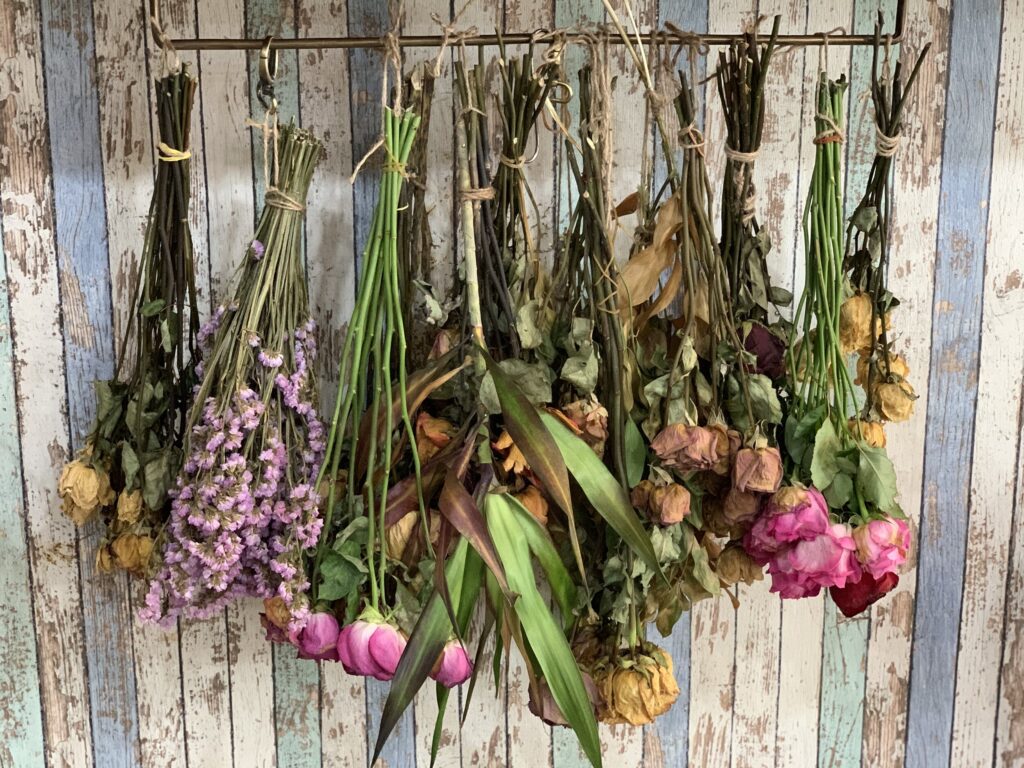
One of the most popular methods for drying flowers is air-drying. This technique involves placing the flowers upside down in an air-conditioned and well-ventilated environment, away from heat sources and light. After four days, cover them with a layer of hair spray to prevent moisture from accumulating.
Air-drying is ideal for delicate flowers like roses, which can become brittle and fragile if exposed to direct sunlight or heat. For example, Anna De Simone’s photo shows a dried rose that has been drying for three years, which was done outdoors and the hair spray was applied in multiple rounds at intervals of days.
The benefits of air-drying include:
- Preserves delicate colors and textures
- Prevents moisture from accumulating
- Allows flowers to dry naturally
However, air-drying can be a slow process, taking several days or even weeks for the flowers to completely dry. Additionally, it may not be suitable for all types of flowers, such as those with a high water content.
Flower-Drying on a Surface: A Simple Technique
Another method for drying flowers is spreading them evenly on a sheet of cardboard or a wooden table. This technique is useful for drying flowers like lavender, pinecones, and moss. By using this method, you can create beautiful arrangements that showcase the unique textures and colors of each flower.
The benefits of drying flowers on a surface include:
- Allows for quick drying
- Can be used for a variety of flower types
- Creates beautiful, layered arrangements
However, this technique requires careful planning to ensure that the flowers are evenly spread and dry at the same rate. It may also require additional materials, such as paper or cardboard.
Drying Flowers Vertically: A Creative Approach
Drying flowers vertically involves placing them in a vase with water, allowing the stems to absorb the moisture gradually. This technique is perfect for flowers like mimoses, heathers, and gypsophila, which can become fragile if dried flat.
The benefits of drying flowers vertically include:
- Creates three-dimensional arrangements
- Allows for natural drying process
- Perfect for delicate flowers
However, this technique requires careful planning to ensure that the stems are evenly wetted and dry at the same rate. It may also require additional materials, such as a vase or container.
Flower-Drying on a Grid: A Practical Method
Drying flowers on a grid involves placing the stems into holes, keeping the flower above the grid. This technique is useful for drying flowers with a heavy upper part (blossom), like ears of corn and cardinals.
The benefits of drying flowers on a grid include:
- Allows for quick drying
- Can be used for a variety of flower types
- Creates beautiful, intricate arrangements
However, this technique requires careful planning to ensure that the stems are evenly spaced and dry at the same rate. It may also require additional materials, such as wire or twine.
Drying Flowers through Pressing: A Traditional Method
Drying flowers through pressing involves crushing the desired flowers with an appropriate press. Without a press, flowers can be left to dry under heavy books covered with absorbent paper.
This technique is perfect for creating compositions that will be used for paintings, glasswork, or picture frames. By using this method, you can preserve the delicate colors and textures of each flower, creating beautiful, unique pieces of art.
The benefits of pressing flowers include:
- Preserves delicate colors and textures
- Creates precise, detailed arrangements
- Perfect for botanical art
However, this technique requires careful planning to ensure that the flowers are evenly crushed and dry at the same rate. It may also require additional materials, such as paper or cardboard.
Drying Flowers with Sand: A Natural Method
Drying flowers with sand involves covering the bottom of a metal tin box with about 0.5 cm of sand. Then, place the flowers on top and cover them with more sand before closing the container. The drying time is approximately three weeks.
This technique is very effective for drying leaves, like glycerin. In this case, it’s necessary to clean the leaves thoroughly and soak them in water for a few hours. Then, cover the leaves with warm water along with glycerin and let them rest in a dark and dry place until they change color. Finally, wash the leaves and allow them to dry on newspaper.
The benefits of drying flowers with sand include:
- Natural drying process
- Preserves delicate colors and textures
- Perfect for delicate flowers
However, this technique requires careful planning to ensure that the flowers are evenly covered and dry at the same rate. It may also require additional materials, such as a metal tin box or containers.
Storing Dried Flowers
Dried flowers should be stored in cardboard boxes, alternating layers of paper, until use. For delicate flowers like roses, it’s always recommended to wrap them first in newspaper or kitchen absorbent paper. Plastic bags are not recommended because they trap moisture, making fresh flowers less necessary.
By following these storage tips, you can keep your dried flowers looking their best for months to come.
Tips and Tricks
- Use a dehumidifier or air conditioner to speed up the drying process
- Avoid direct sunlight, which can cause fading or discoloration
- Experiment with different drying techniques to find what works best for each flower type
- Store dried flowers in a cool, dry place to preserve their color and texture
Conclusion
Drying flowers is a simple and effective way to preserve nature’s beauty and fragrance. By using the techniques outlined in this article, you can create beautiful arrangements, bouquets, and decorative pieces that can be enjoyed throughout the year.
Whether you’re looking for a gentle method like air-drying or a more creative approach like drying flowers on a grid, there’s a technique to suit your needs. So why not give it a try? With a little patience and practice, you’ll be creating beautiful dried flower arrangements in no time!
Frequently Asked Questions
-
Q: What is the best way to dry delicate flowers like roses?
A: Air-drying or drying flowers on a surface are ideal for delicate flowers like roses. -
Q: How long does it take to dry flowers using the sand method?
A: The drying time is approximately three weeks. -
Q: Can I use plastic bags to store dried flowers?
A: No, plastic bags trap moisture and can cause fresh flowers to become less necessary. -
Q: What type of paper should I use to store dried flowers?
A: Absorbent paper or cardboard boxes with alternating layers of paper are ideal for storing dried flowers. -
Q: Can I dry flowers outdoors?
A: Yes, but it’s recommended to use a hair spray to prevent moisture from accumulating. -
Q: How can I create beautiful dried flower arrangements?
A: Experiment with different techniques, like air-drying or drying flowers on a grid, and arrange the flowers in unique and creative ways. -
Q: What is the benefit of pressing flowers?
A: Pressing flowers allows for precise, detailed arrangements that are perfect for botanical art. -
Q: Can I dry flowers with glycerin?
A: Yes, but it requires careful planning to ensure that the flowers are evenly crushed and dry at the same rate. -
Q: How do I clean dried leaves before drying them with glycerin?
A: Clean the leaves thoroughly with warm water and soak them in water for a few hours. -
Q: Can I use a hair dryer to dry flowers?
A: No, direct heat can damage the delicate colors and textures of each flower.


