
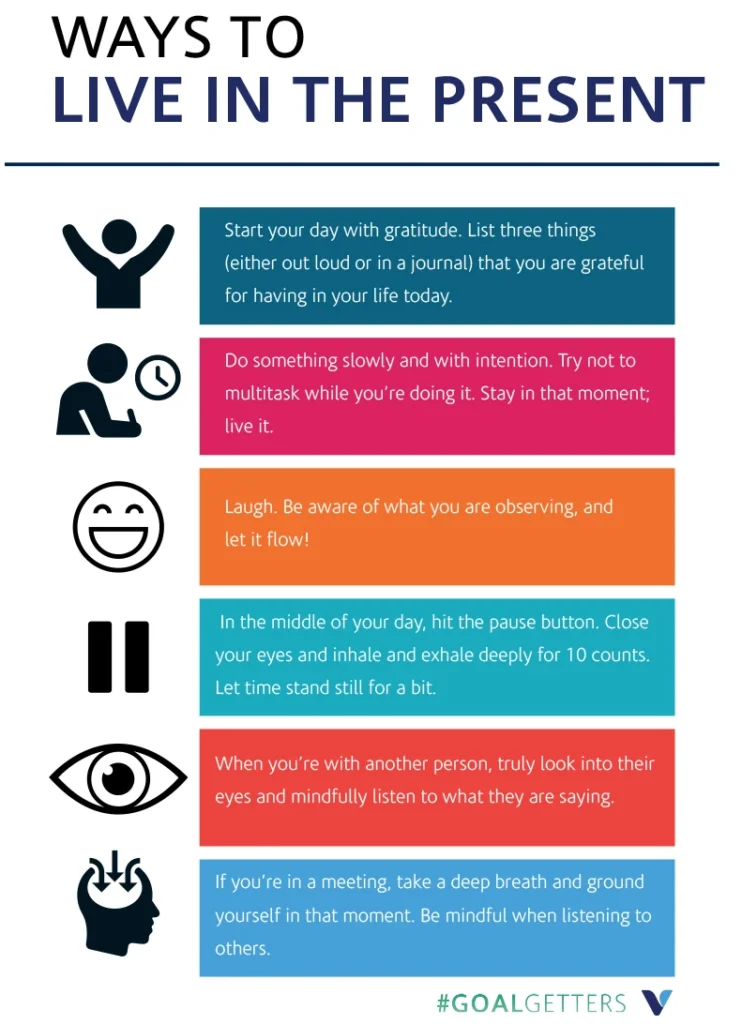
As summer comes to an end, many of us are returning to our daily routines and responsibilities. It’s essential to learn how to stay present in the moment, whether we like it or not, because it’s the only one we can truly control and change.
The Temptation of Escapism
There’s a strong temptation to escape into the past or future, often driven by our desire to recharge and refocus. However, this can quickly become an excuse for complaining or feeling melancholic. We may also get caught up in planning for the future, making it difficult to stay present.
It’s essential to recognize that staying present isn’t just a buzzword; it has practical benefits that can enhance our lives. By developing strategies to stay present, we can overcome challenges and achieve our goals more effectively.
For instance, research has shown that individuals who practice mindfulness and focus on the present moment tend to experience reduced stress levels, improved mood, and increased productivity. On the other hand, those who dwell on the past or worry about the future often report feeling overwhelmed, anxious, and stuck in a rut.
Finding Your Focus
When our minds wander, it’s easy to get lost in the past or future. To stay focused on the present, we need to identify clear objectives that truly matter to us. This requires honest self-reflection and a willingness to let go of distractions.
By setting achievable goals and prioritizing our time, we can make the most of our daily moments and avoid procrastination. It’s also essential to create a conducive environment for focus by minimizing distractions, such as turning off notifications or finding a quiet workspace.
In addition, incorporating regular breaks into your day can help you stay refreshed and focused. Taking short walks outside, stretching, or practicing deep breathing exercises can be an effective way to recharge and refocus.
Forgiving Ourselves
We often set high standards for ourselves, leading to feelings of guilt and frustration when we don’t meet them. This can cause us to dwell on past mistakes or perceived shortcomings. To break free from these patterns, we need to practice self-compassion and learn to forgive ourselves for not being perfect.
By letting go of self-criticism, we can focus on the present moment and make progress towards our goals without getting bogged down by negative emotions. It’s essential to recognize that everyone makes mistakes, and it’s okay not to be perfect.
In fact, research has shown that individuals who practice self-compassion tend to experience improved mental health outcomes, including reduced anxiety and depression. This is because self-compassion allows us to approach challenges with a more realistic and balanced perspective, rather than beating ourselves up over perceived shortcomings.
Making the Most of Our Time
Time is fleeting, and it’s easy to waste it on non-essential activities. To stay present, we need to prioritize our time effectively and avoid distractions. This means eliminating unnecessary tasks, setting realistic expectations, and making room for relaxation and self-care.
By being more mindful of how we spend our time, we can create space for what truly matters and achieve a better work-life balance. It’s essential to recognize that every moment counts, and making the most of our time requires intentional decision-making.
For example, you might consider setting aside specific times each day or week for activities that bring you joy, such as reading, exercise, or spending time with loved ones. By prioritizing these moments, you can create a sense of fulfillment and purpose that can carry over into other areas of your life.
Cultivating Meaningful Relationships
The people around us can have a significant impact on our ability to stay present. By nurturing meaningful relationships with friends, family, or colleagues, we can create opportunities for connection and growth.
Even if we don’t have the luxury of spending time with loved ones regularly, it’s essential to make an effort to stay in touch and show that we care. This might involve scheduling regular check-ins, sending thoughtful messages, or simply taking the time to listen and show genuine interest in others.
In addition, building strong relationships requires active listening, empathy, and effective communication. By learning to truly hear and understand others, we can create a deeper sense of connection and community that can help us stay present and focused on what truly matters.
Taking Care of Ourselves
Self-care is often overlooked, but it’s crucial for maintaining our physical and mental well-being. By prioritizing activities that nourish our minds, bodies, and spirits, we can stay present and focused on what truly matters.
This means making time for exercise, meditation, or hobbies that bring us joy and fulfillment. It also involves being mindful of our physical needs, such as getting enough sleep, eating a balanced diet, and staying hydrated.
By taking care of ourselves, we can improve our overall health and well-being, leading to increased energy, creativity, and resilience. This, in turn, can enable us to stay present and focused on our goals, even when faced with challenges or setbacks.
Laughing Our Way to Happiness
Lastly, let’s not underestimate the power of laughter and positivity. By embracing the present moment and finding joy in everyday experiences, we can cultivate a more optimistic outlook and reduce stress.
By incorporating humor and playfulness into our lives, we can find happiness in the here and now. This might involve trying new activities, spending time with people who make us laugh, or simply practicing gratitude and appreciation for the small things in life.
In addition, research has shown that laughter and positivity can have a range of benefits for both physical and mental health. Laughter has been linked to reduced stress levels, improved mood, and increased feelings of happiness, while positive thinking can help us stay focused on our goals and overcome challenges.
Putting it All Together: A Guide to Living in the Present
By following these tips and strategies, you’ll be well on your way to embracing the present moment and unlocking your full potential. Remember that staying present is a skill that takes practice, patience, and self-compassion. By being kind to yourself and focusing on what truly matters, you can create a more fulfilling life.
Here are some additional tips to help you stay present:
- Practice mindfulness meditation: Take a few minutes each day to focus on your breath or chosen meditation object.
- Use positive affirmations: Repeat phrases like “I am enough” or “I am capable of achieving my goals.”
- Engage in activities that bring you joy: Whether it’s reading, exercise, or spending time with loved ones, make sure to prioritize moments that bring you happiness.
- Take breaks and practice self-care: Regularly take time for yourself to rest and recharge.
- Cultivate meaningful relationships: Nurture connections with friends, family, and colleagues by being present, listening actively, and showing genuine interest in others.
Overcoming Common Obstacles
One of the biggest obstacles to staying present is our tendency to dwell on the past or worry about the future. Here are some strategies for overcoming these common obstacles:
- Practice gratitude: Reflect on things you’re thankful for each day, no matter how small they may seem.
- Use positive self-talk: Speak kindly and encouragingly to yourself, focusing on your strengths and accomplishments.
- Set realistic expectations: Be honest with yourself about what you can achieve in a given timeframe.
- Take action towards your goals: Break down large tasks into smaller, manageable steps, and make steady progress towards your objectives.
Conclusion
Staying present is a skill that requires practice, patience, and self-compassion. By embracing the present moment and focusing on what truly matters, we can create a more fulfilling life and unlock our full potential.
Remember that it’s okay to struggle – staying present is a journey, not a destination. Be kind to yourself, and don’t be afraid to ask for help when you need it. With time and practice, you can develop the skills and strategies necessary to stay present and thrive in all areas of your life.


