
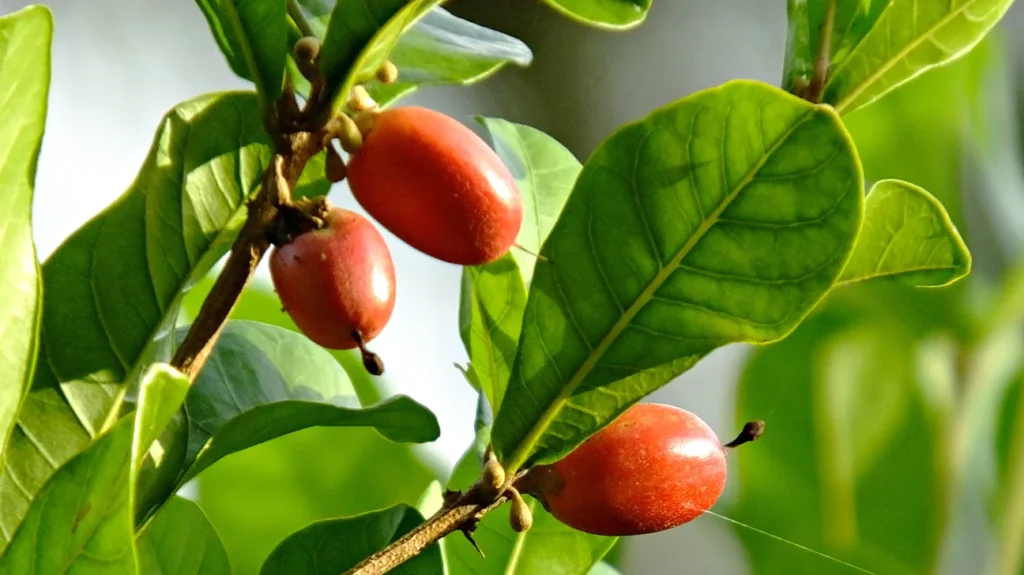
As we continue to explore the world of exotic fruits, one plant stands out for its unique properties and potential health benefits. Say hello to the miracolina, also known as the “fruit of the miracle.” Native to Africa’s western coast, this evergreen shrub has been used in traditional medicine for centuries, and its fruit is not only a natural sweetener but also contains compounds that alter the way our taste buds perceive flavors.
What is Miracolina?
Miracolina is a plant whose berry contains a chemical compound that affects the taste receptors on our tongues. This substance tricks our brains into perceiving sour tastes as sweet, which can have a significant impact on our eating habits and overall health. But how does it work?
In 1725, French cartographer Chevalier des Marchais discovered the miraculous properties of the miracolina while on an expedition to Africa. He observed that local Africans consumed the fruit before eating acidic foods, and he shared this discovery with his fellow countrymen.
The berry itself has a mild sweetness with a fizzy pulp surrounding a bitter seed. If you’re considering growing your own miracolina, be aware that the plant can grow quite large, prefers moderate shade, but if grown indoors, requires high light levels. Additionally, it thrives in acidic soil and regular watering.
Benefits of Miracolina
The benefits of consuming miracolina lie in its ability to “deceive” our taste buds and alter our perception of flavors. This unique property can be beneficial in various ways:
- Weight Loss: Each miracle berry contains only 1 calorie, making it an ideal addition to a weight loss diet. By modifying the taste of food, you can reduce your sugar intake without sacrificing flavor.
- Diabetes Management: Research has shown that miracolina may help improve insulin sensitivity in people with diabetes. A study found that mice fed a high-fructose diet experienced improved glucose metabolism after consuming miracle berries.
- Antioxidants: The miraculous fruit is rich in antioxidants, which can help neutralize free radicals in the body. One study identified 12 phenolic compounds and other antioxidants in the berry.
Other Uses of Miracolina
Since its introduction to Western cuisine, the miracolina has been used for its unique properties that alter flavors. But how does it work exactly?
The secret behind the miraculous ability of the miracle fruit lies in a unique protein called “miraculosa.” Initially thought to modify the shape of taste receptors, research suggests that the miraculous protein actually suppresses sweet receptors and allows our brains to perceive sour tastes as sweet.
While this explanation is still being refined, recent studies have shed more light on the mysteries of the miracle fruit. Researchers believe that the miraculosa protein may also play a role in reducing inflammation and improving cardiovascular health.
Cultivation and Harvesting
Growing your own miracolina can be a rewarding experience, but it requires careful attention to its specific needs. The plant prefers well-draining soil with a pH range of 5.5-6.5. Regular watering is also essential, as the plant can tolerate drought conditions but will perform better in consistently moist environments.
When harvesting your miracle berries, look for those that are slightly soft to the touch and have a vibrant color. Avoid picking berries that are overripe or damaged, as they may be less flavorful and more prone to spoilage.
Precautions and Side Effects
While miracolina is generally considered safe to consume, there are some precautions to keep in mind:
- Allergic Reactions: Some people may experience allergic reactions to the miraculous fruit, including hives, itching, and swelling.
- Interference with Medication: Miracolina may interact with certain medications, such as blood thinners and diabetes medications. Consult your doctor before consuming the fruit if you are taking any prescription medication.
- Pregnancy and Breastfeeding: There is limited research on the safety of miracolina during pregnancy and breastfeeding. As a precaution, it is recommended to avoid consuming the fruit in these situations.
Conclusion
The miraculous properties of the miracolina have captivated researchers and food enthusiasts alike. With its unique ability to alter flavor perception, this fruit has the potential to revolutionize our approach to weight loss, diabetes management, and overall health. While more research is needed to fully understand the benefits of miracolina, one thing is clear: this extraordinary fruit deserves our attention and appreciation.
Growing Your Own Miracolina
If you’re interested in trying your hand at growing your own miracolina, here are some tips to get you started:
- Acquire a Miracle Berry: You can purchase miracle berries online or through local health food stores.
- Create the Right Environment: Provide your plant with well-draining soil, moderate shade, and regular watering.
- Monitor Temperature: Miracolina prefers temperatures between 65-75 degrees Fahrenheit.
- Harvest Regularly: Pick your miracle berries when they are slightly soft to the touch and have a vibrant color.
By following these tips and being mindful of the potential benefits and side effects of miracolina, you can unlock the full potential of this extraordinary fruit.


