
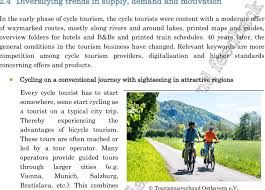
Cycling tourism, also known as cycling travel or bike tourism, has become increasingly popular worldwide, particularly in Europe. According to a study conducted by the European Parliament in 2012, cycling tourism generates more than €44 billion in revenue and accommodates over 20 million overnight stays. In this article, we will delve into the world of cycling tourism, exploring its history, benefits, and popular destinations.
Who are Cycling Tourists?
Cycling tourists are individuals who travel by bike, either on designated cycling routes or using conventional means such as cars, trains, or planes, and bring their own bicycles with them. These travelers enjoy the freedom and flexibility of cycling while exploring new destinations.
Benefits of Cycling Tourism
Cycling tourism offers numerous benefits to both the traveler and local communities. Some of these advantages include:
- Environmental sustainability: Cycling is a low-impact mode of transportation that produces minimal greenhouse gas emissions.
- Physical health benefits: Regular cycling can improve cardiovascular health, increase strength, and boost overall well-being.
- Social connections: Cycling tourists often form strong bonds with fellow travelers and locals they meet along the way.
- Cultural immersion: Cycling allows travelers to experience local cultures firsthand, immersing themselves in unique customs, traditions, and cuisine.
Cycling Tourism in Italy
Italy is home to three international cycling routes within the EuroVelo project. The most notable ones are:
- EuroVelo 5: Also known as the “Romea Francigena,” this route spans approximately 2,300 kilometers and passes through Lombardy, Liguria, Emilia-Romagna, Tuscany, Lazio, Campania, Basilicata, and Puglia.
- EuroVelo 7: Dubbed the “Strada del Sole,” this route covers around 3,000 kilometers on Italian soil, passing through Trentino-Alto Adige, Veneto, Lombardy, Emilia-Romagna, Tuscany, Umbria, Lazio, Campania, Basilicata, Calabria, and Sicily.
- EuroVelo 8: Known as the “Strada Mediterranea,” this route connects Gibilterra with Atene and Cipro, covering approximately 1,300 kilometers on Italian territory. It passes through Liguria, Piemonte, Lombardy, Emilia-Romagna, Veneto, and Friuli-Venezia Giulia.
In total, Italy has over 6,600 designated cycling routes that are ready for cyclists to explore.
Getting Started with Cycling Tourism
For those looking to try cycling tourism for the first time, a “soft approach” is recommended. This can be achieved by participating in guided cycling tours, where an operator will provide information on local nature, scenery, and history along the route. Before joining such programs, ensure that the guide follows regional regulations.
Tips for Planning a Cycling Tour
Before embarking on a cycling tour, consider the following tips:
- Choose the right bike: Select a comfortable, sturdy bike designed for touring or long-distance riding.
- Pack essentials: Bring necessary items like water, snacks, and basic tools to ensure a smooth ride.
- Plan ahead: Research local road conditions, weather forecasts, and accommodation options to minimize stress and maximize enjoyment.
Italy’s Cycling Routes
In total, Italy has over 6,600 designated cycling routes that are ready for cyclists to explore. Some popular ones include:
- The Ciclovía del Volturno in southern Italy
- The Pista Ciclabile Romana that spans across Switzerland and Austria
- The Strada del Mare, a scenic route along the Adriatic coast
Cycling Tourism Infrastructure
Italy has invested heavily in developing its cycling tourism infrastructure. This includes:
- Cycling-friendly roads: Many Italian cities have designated bike lanes or separate roads for cyclists.
- Bike rentals and shops: Locals often provide bikes, accessories, and repair services for tourists.
- Accommodation options: From cozy bed-and-breakfasts to luxury hotels, Italy offers a wide range of accommodations catering to cyclists.
Conclusion
Cycling tourism is an exciting way to explore new destinations while enjoying the benefits of physical activity and cultural immersion. With its rich history, stunning landscapes, and welcoming locals, Italy is an ideal destination for cycling tourists. By choosing the right bike, planning ahead, and taking advantage of local infrastructure, cyclists can create unforgettable experiences on the world’s most scenic roads.
Cycling Tourism Resources
For those looking to try cycling tourism or learn more about Italy’s cycling routes, consider visiting these websites:
Getting Involved
Join cycling tourism communities, like Fiab, to learn about Italy’s cycling routes and plan your next adventure.


