
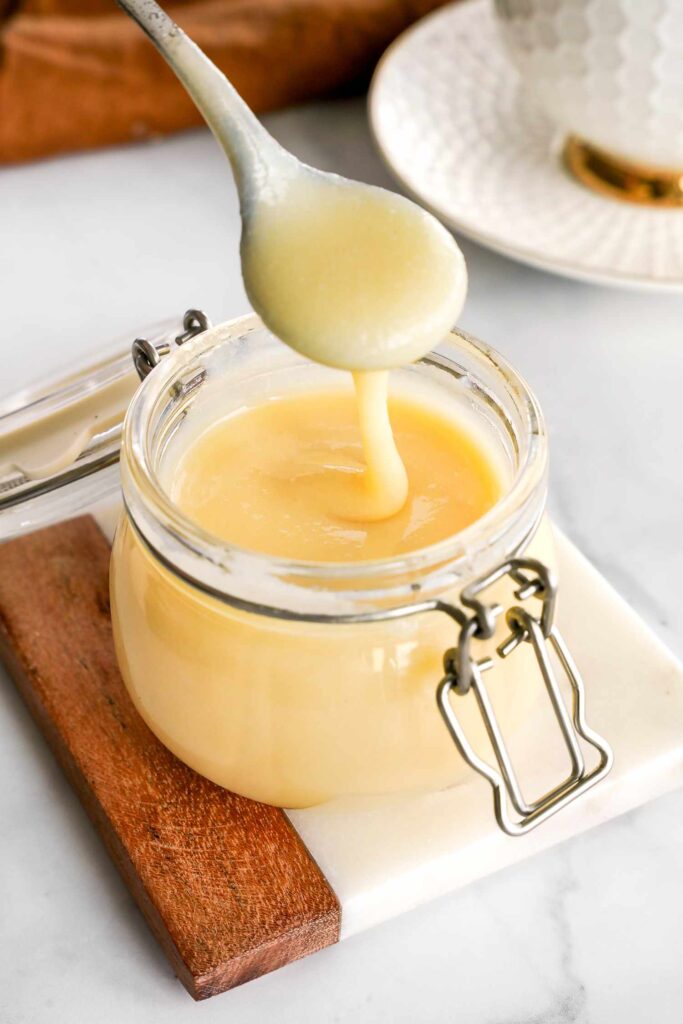
Introduction to Condensed Milk
Condensed milk is a partially dehydrated form of milk that has been made more shelf-stable by removing some of its water content. The process of condensing milk was first developed in 1827, and it involves heating the milk to a temperature between 40°C and 80°C under reduced pressure. This results in the milk losing around 60% of its original moisture content. In this article, we will explore how to make condensed milk at home and provide tips for achieving the desired level of density.
Understanding Condensed Milk
Condensed milk is not just watered-down milk; it’s actually a concentrated form of milk that has been dehydrated to some extent. To make condensed milk, you need to use high-quality ingredients, including fine sugar and whole milk. The process of making condensed milk involves heating the mixture of milk and sugar until it reaches a boiling point.
Ingredients Needed for Homemade Condensed Milk
Here’s what you’ll need to get started:
- 200 grams of fine sugar
- 190 ml of whole milk
- 25 grams of unsalted butter
Making Condensed Milk at Home
To make condensed milk at home, you’ll need to follow these simple steps:
- Combine the sugar and milk in a large saucepan.
- Heat the mixture over medium heat, stirring occasionally, until it reaches a boiling point.
- Add the butter to the mixture and continue to stir until it’s fully incorporated.
- Reduce the heat to low and simmer for 10-15 minutes, or until the mixture has thickened to your liking.
Tips for Achieving the Right Consistency
To achieve the perfect consistency, you’ll need to monitor the temperature of the mixture closely. If it gets too hot, it can burn, so make sure to keep an eye on it at all times. You may also need to adjust the amount of sugar or milk in your recipe to get the desired level of density.
Preserving Homemade Condensed Milk
To preserve your homemade condensed milk, you’ll need to store it in a clean, airtight container in the refrigerator. This will help prevent spoilage and keep the milk fresh for several months. You can also consider freezing the milk if you don’t plan on using it within that timeframe.
Alternative Methods for Making Condensed Milk
If you don’t have access to a saucepan or prefer not to use sugar, there are alternative methods for making condensed milk. One option is to use brown sugar instead of white sugar, which can give your milk a richer flavor. Another option is to add a small amount of cornstarch to thicken the mixture.
Latte Condensato with Zucchero Semolato
If you don’t have fine sugar or prefer not to use it, you can make condensed milk using zucchero semolato instead. This will require longer cooking times and more stirring to ensure that the sugar is fully dissolved.
Latte Condensato without Sugar
If you’re watching your sugar intake or prefer not to use refined sugars, you can make a sugar-free condensed milk by omitting the added sugar altogether. Instead, try using natural sweeteners like honey or maple syrup.
Troubleshooting Common Issues
One common issue when making condensed milk is that it may remain too runny or not thick enough. To solve this problem, simply increase the cooking time and reduce the heat to prevent scorching.
Where to Buy Condensed Milk
Condensed milk is widely available in most supermarkets and online retailers. You can also find specialty stores that sell homemade or artisanal condensed milk.
Conclusion
Making condensed milk at home is a simple process that requires just a few ingredients and some basic kitchen equipment. By following these tips and guidelines, you’ll be able to achieve the perfect consistency and enjoy your homemade condensed milk in all sorts of delicious recipes.
Frequently Asked Questions (FAQs)
- Q: What is the best type of sugar to use for making condensed milk?
A: Fine sugar is the preferred choice for making condensed milk due to its high dissolving power. - Q: Can I make condensed milk with almond milk or other non-dairy milks?
A: Yes, but keep in mind that the flavor and texture may vary depending on the type of milk used. - Q: How do I prevent scorching when making condensed milk?
A: Monitor the temperature closely and reduce the heat if necessary to prevent scorching. - Q: Can I make condensed milk with coconut sugar instead of granulated sugar?
A: Yes, but note that coconut sugar has a lower dissolving power than granulated sugar, so you may need to adjust the recipe accordingly. - Q: How do I store homemade condensed milk in the refrigerator or freezer?
A: Store it in an airtight container and keep it refrigerated at 40°F (4°C) or below for up to 6 months. - Q: Can I make condensed milk ahead of time and reheat it later?
A: Yes, but be aware that the flavor and texture may change over time. -
Q: Is homemade condensed milk healthier than store-bought condensed milk?
A: Homemade condensed milk is generally free from added preservatives and artificial flavorings, making it a healthier option in many cases. -
Q: Can I make condensed milk with cow’s milk instead of whole milk?
A: Yes, but note that the flavor and texture may vary depending on the type of milk used. -
Q: How do I use homemade condensed milk in recipes?
A: You can use it as a substitute for store-bought condensed milk or add it to your favorite recipes for extra sweetness and richness. -
Q: Can I make condensed milk with alternative sweeteners like stevia or monk fruit?
A: Yes, but keep in mind that the flavor and texture may vary depending on the type of sweetener used.
Using Condensed Milk in Recipes
Condensed milk is a versatile ingredient that can be used in a variety of recipes. Here are some ideas to get you started:
- Use it as a substitute for heavy cream or half-and-half in coffee, tea, or hot chocolate.
- Add it to your favorite baked goods, such as cakes, cookies, and brownies.
- Use it as a topping for ice cream, yogurt, or oatmeal.
- Mix it with cocoa powder to create a delicious hot chocolate mix.
- Add it to your favorite smoothie or milkshake recipe.
Tips for Making Condensed Milk
Here are some additional tips to help you make the perfect condensed milk:
- Use high-quality ingredients: Fresh, whole milk and pure cane sugar will result in a better-tasting condensed milk.
- Monitor the temperature closely: If the mixture gets too hot, it can burn and affect the flavor and texture of your condensed milk.
- Stir constantly: This will help prevent scorching and ensure that the mixture thickens evenly.
- Be patient: Making condensed milk takes time, so be prepared to spend 10-15 minutes simmering the mixture.
Common Mistakes to Avoid
Here are some common mistakes to avoid when making condensed milk:
- Not using enough sugar: This can result in a weak or bland flavor.
- Using low-quality ingredients: Fresh, whole milk and pure cane sugar will result in a better-tasting condensed milk.
- Overheating the mixture: If the mixture gets too hot, it can burn and affect the flavor and texture of your condensed milk.
Conclusion
Making condensed milk at home is a simple process that requires just a few ingredients and some basic kitchen equipment. By following these tips and guidelines, you’ll be able to achieve the perfect consistency and enjoy your homemade condensed milk in all sorts of delicious recipes.


