
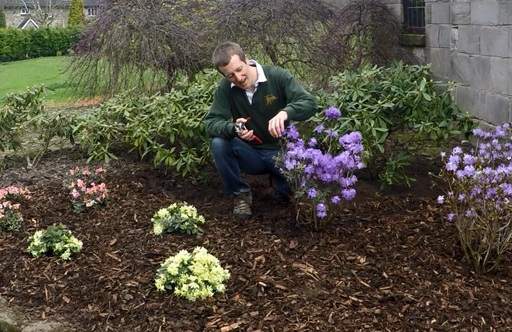
As we stroll through a garden, it’s not uncommon to come across a Rododendron, its delicate petals swaying gently in the breeze. This flower has become synonymous with “fragile charm,” but its true strength lies in its adaptability and resilience, making it a beloved choice for gardeners around the world.
A Brief History of Rododendrons
The name Rododendron comes from the Greek words “rhodon” (rosa) and “dendron” (tree), meaning “tree of roses.” This name is fitting, as the genus includes over 750 species, many of which are native to Asia and the American continent. In Italy, we have our own varieties of Rododendrons, such as the Rhododendron Ferrugineum, commonly known as the “Rosa delle Alpi.”
Understanding Rododendron: Plant
Rododendrons belong to the Ericaceae family, which also includes Azaleas. While both plants share some similarities, they can be distinguished by their evergreen foliage and flower structure. The Azalea, for example, has a more delicate appearance and produces fewer stamens than the Rododendron.
Rododendron: A Flower of Diversity
The blooming period of Rododendrons varies greatly depending on the species, with some producing flowers as early as March and others not blooming until October. The colors range from pure white to vibrant red, and some varieties even display a mix of both. For example:
- Arboreum: This variety produces large, bell-shaped flowers that can reach up to 10 cm in diameter.
- Augustinii: Hailing from China, this species boasts blue-green foliage and small, four-petaled flowers.
- Lutescens: Another Chinese origin, this Rododendron produces bright yellow flowers and can grow up to 3 meters tall.
Cultivating Rododendrons: Tips and Tricks
While Rododendrons are generally considered delicate plants, they can thrive with proper care. To create an optimal environment for your plant:
- Choose the right location: Select a spot that receives partial shade to full sun, depending on the species.
- Maintain acidic soil: Rododendrons prefer slightly acidic to neutral soil pH (around 6-7).
- Provide consistent moisture: Keep the soil consistently moist but not waterlogged.
When it comes to caring for your Rododendron, there are some specific considerations:
- Fertilize at the right time: Feed your plant with a balanced fertilizer in early February.
- Monitor humidity levels: Ensure that the environment is humid enough to prevent leaf drop and other issues.
Rododendrons in Containers: A Feasibility
While Rododendrons can be challenging to care for, they can also thrive in containers. If you’re considering growing one in a pot:
- Choose a compact variety (around 30 cm tall).
- Select a well-draining potting mix.
- Provide sufficient sunlight and maintain consistent moisture levels.
Pruning and Potating Rododendrons
Rododendrons require occasional pruning to maintain their shape and promote healthy growth. To prune your plant:
- Remove any dead or damaged branches.
- Trim back overgrown branches to encourage new growth.
As for potting, Rododendrons can be potted in the fall or early spring, when the plant is dormant.
Common Issues and Solutions
While Rododendrons are generally low-maintenance plants, they can still encounter problems:
- Leaf drop: This occurs due to insufficient humidity. To resolve this issue, increase the frequency of watering and ensure good air circulation.
- Fading flowers: If your plant’s flowers begin to fade or wilt, inspect for signs of disease or pests. Treat any issues promptly to prevent further damage.
Rododendron of Montagna: A Native Italian Species
In Italy, we have two native species of Rododendrons: the Rhododendron Hirsutum (also known as “rododendro peloso”) and the Ferrugineum. These plants thrive in mountainous regions, where they can be found growing wild.
The Rhododendron Hirsutum is a small shrub that produces white flowers in late June. Its distinctive feature is its soft, woolly leaves and stems.
Conclusion
In conclusion, Rododendrons are not only beautiful flowers but also resilient plants that thrive with proper care and attention. Whether you’re looking to cultivate one in your garden or simply admire their delicate beauty, these flowers are sure to captivate.
Frequently Asked Questions (FAQs)
- What is the best way to fertilize my Rododendron?
- How often should I water my Rododendron?
- Can Rododendrons be grown in containers?
- How do I prune and pot my Rododendron?
- What are some common issues that can affect a Rododendron, and how can they be resolved?
Additional Tips
- Mulch around the base of your plant to retain moisture and suppress weeds.
- Avoid over-fertilizing, as this can lead to nutrient imbalances in the soil.
- Consider using a trellis or stake to support tall Rododendron varieties.
By following these tips and tricks, you’ll be well on your way to growing healthy and thriving Rododendrons. Happy gardening!


