
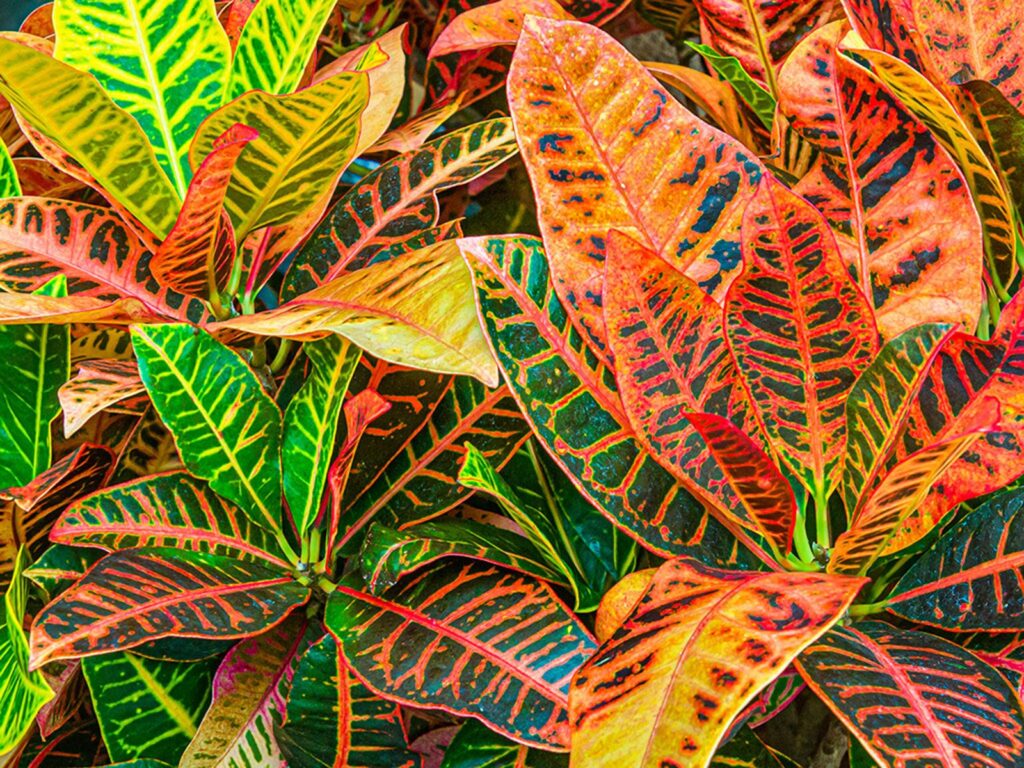
Croton (Codiaeum variegatum) is a popular ornamental plant known for its vibrant foliage with shades of green, yellow, red, pink, violet, and orange. Native to the Malesia and Pacific Islands, this plant has been a subject of interest among gardeners and indoor enthusiasts alike. With over 3,000 species, Croton has become a sought-after addition to many gardens and homes.
The Language of Flowers: Uncovering the Meaning Behind Croton
If you’re planning to gift a Croton plant or have received one as a present, be aware that its meaning in the language of flowers is clear: “you are capricious.” This interpretation may leave room for misinterpretation, but it’s essential to understand this message. The language of flowers is a symbolic way of conveying emotions and messages through plants, and Croton is known to carry this meaning.
Understanding the Plant’s Habitat
Croton plants thrive in warm, humid environments. To grow them indoors or outdoors, provide a spot with filtered sunlight and maintain temperatures between 16-18°C (60-65°F). Avoid placing the plant near drafts, as excessive air circulation can cause stress and lead to yellowing leaves.
Choosing the Right Soil for Your Croton
When repotting your Croton, use soil specifically designed for tropical plants or peat moss with added perlite. Water thoroughly but avoid overwatering, which can result in root rot. Overwatering is a common mistake made by inexperienced gardeners, and it’s essential to be aware of the risks.
Soil pH and Its Impact on Croton Growth
The ideal soil pH for Croton plants ranges from 5.5 to 6.5. If your potting mix has a high acidity level, it may affect nutrient availability and overall plant growth. To ensure optimal growth, use a well-balanced fertilizer that is specifically designed for tropical plants.
Tips for Optimal Growth
To encourage healthy growth and vibrant colors, rotate the plant every few weeks to ensure even development of its unique foliage. This simple practice can make a significant difference in the appearance of your Croton plant.
Maintain consistent moisture levels by checking the soil daily. If your home is climate-controlled, vaporize water on the leaves to maintain humidity. You can also use water from a condenser or a humidifier to create a microclimate around the plant.
Fertilizing Your Croton
Feed your plant with a balanced fertilizer during the spring and summer months. A general-purpose fertilizer should suffice, as specialized fertilizers are not necessary. However, if you notice a lack of growth or dull foliage, consider using a fertilizer specifically designed for tropical plants.
Avoid Overfertilization
Overfertilizing is a common mistake that can harm your Croton plant. Avoid applying too much fertilizer, as it can cause an overload of nutrients that the plant cannot absorb. Start with a small amount and gradually increase as needed.
Pruning Your Croton Plant
To maintain the shape and promote healthy growth, prune your Croton plant regularly. Remove any dead or damaged leaves or branches to prevent the spread of disease.
Be aware that pruning can be stressful for plants, so avoid pruning during periods of high stress or extreme weather conditions.
Common Mistakes Made by Gardeners
Avoid common mistakes made by inexperienced gardeners, such as overwatering, underwatering, and poor soil quality. By following these guidelines and avoiding these pitfalls, you’ll be well on your way to growing a thriving Croton plant.
Propagation of Croton Plants
Croton plants can be propagated through division or seed. Division is the most common method, as it allows you to create new plants with similar characteristics. To propagate by division, carefully remove the plant from its pot and separate the roots. Replant each section in a well-draining potting mix.
Common Problems Faced by Croton Plants
Croton plants are susceptible to several pests and diseases, including spider mites, mealybugs, and root rot. Regularly inspect your plant for signs of infestation or infection and take prompt action if necessary.
Pest Control Methods
To control pests on your Croton plant, use natural methods whenever possible. Spray the plant with water to dislodge pests, or apply a homemade pest spray made from soap and water.
If chemical pesticides are necessary, choose products that are specifically designed for indoor plants and follow the manufacturer’s instructions carefully.
Disease Prevention
To prevent disease on your Croton plant, ensure good air circulation around the pot. Prune any affected areas to prevent the spread of infection.
Use a well-draining potting mix to reduce moisture accumulation and create an environment that is less conducive to fungal growth.
Common Questions and Answers
Q: What is the ideal climate for growing a Croton plant?
A: A warm, humid environment with temperatures between 16-18°C (60-65°F) is essential for optimal growth.
Q: How often should I water my Croton plant?
A: Check the soil daily to avoid overwatering or underwatering. Maintain consistent moisture levels.
Q: Can I use regular potting soil for my Croton?
A: No, as it may lead to root rot. Instead, opt for specialized tropical plant soil or peat moss with added perlite.
Q: How do I repot my Croton?
A: Use a pot specifically designed for small plants and add fresh soil.
Q: What are the health benefits of using distilled water?
A: It maintains humidity levels without causing bacterial growth.
Q: Can I consume the sap or plant parts?
A: No, due to potential toxicity and skin irritation.
Q: How often should I fertilize my Croton?
A: During spring and summer months only.


