
The Benefits and Drawbacks of Spaying a Male Cat
As a responsible pet owner, one of the most crucial decisions you’ll face is whether or not to spay your male cat. This surgical intervention, also known as neutering, involves removing the testicles of the cat to prevent reproduction and reduce undesirable behaviors. In this article, we’ll delve into the benefits and drawbacks of spaying a male cat, providing an in-depth look to help you make an informed decision.
Why Spay Your Male Cat?
The decision to spay your male cat can be influenced by various factors, including the animal’s health, behavior, and concerns about overpopulation. By understanding the reasons behind spaying, you can better decide if it’s right for your furry friend.
Health Benefits
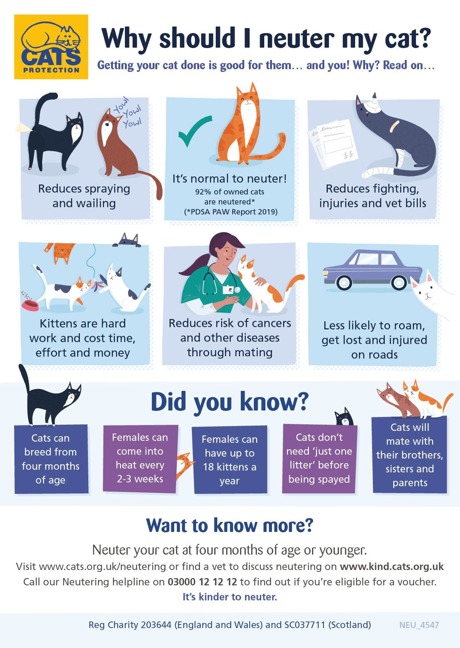
Spaying has numerous health benefits for your cat. Removing the testicles reduces the risk of testicular cancer and urinary tract infections. Additionally, spayed cats tend to live longer than their unspayed counterparts, as they are less likely to be involved in fights or accidents while searching for a mate.
Positive Impacts on Behavior
Spaying can have a positive impact on your cat’s behavior. Male cats that are not neutered tend to exhibit territorial behavior, such as spraying urine, and aggression towards other cats. After spaying, these behaviors tend to decrease significantly or disappear altogether. Spayed cats are generally more docile and less likely to wander.
Population Control
One of the most significant benefits of spaying is population control. Every year, millions of cats are born without a home, and many end up in shelters where they may be euthanized if not adopted. By spaying your cat, you’re contributing to reducing the number of unwanted litters and alleviating pressure on animal shelters.
Improved Quality of Life
Spaying can also improve your cat’s quality of life. Without the need to search for a mate or mark territory, cats can focus on more enjoyable activities like playing and interacting with their owners. This leads to a stronger bond between you and your cat and a more harmonious household.
Benefits of Spaying
- Health benefits: Reduced risk of testicular cancer and urinary tract infections, increased lifespan
- Positive impacts on behavior: Decreased territorial behavior, reduced aggression towards other cats
- Population control: Reduces the number of unwanted litters and alleviates pressure on animal shelters
- Improved quality of life: Allows your cat to focus on more enjoyable activities like playing and interacting with their owners
Potential Risks and Complications
While rare, potential risks and complications can occur. These may include:
- Infections
- Reactions to anesthesia
- Excessive bleeding
To minimize these risks, it’s essential to follow your veterinarian’s instructions carefully before and after the procedure.
Procedure: What to Expect
The spaying procedure is relatively simple and quick. The operation is performed under general anesthesia to ensure your cat does not feel pain. During the surgery, the veterinarian makes a small incision in the scrotum and removes the testicles. Once completed, the incision is closed with dissolvable stitches or left open to heal naturally.
Pre- and Post-Operative Care
Before the procedure, your veterinarian will provide specific instructions on how to prepare your cat. This may include fasting for several hours before the surgery to reduce the risk of complications related to anesthesia.
After the operation, it’s crucial to monitor your cat closely. They may be a bit drowsy or disoriented due to the anesthesia. Ensure they have a quiet and comfortable environment where they can rest.
Tips for a Smooth Recovery
To ensure a smooth recovery:
- Monitor the incision for signs of infection, such as redness, swelling, or discharge.
- Keep your cat indoors for at least a week after the surgery to minimize stress and prevent complications.
- Prevent them from licking or biting the wound. A Elizabethan collar may be necessary to keep them away from the incision site.
- Provide a light and easily digestible diet in the first 24 hours after the operation, as some cats may have a reduced appetite or feel nauseous.
It’s also essential to follow your veterinarian’s instructions and bring your cat to all scheduled follow-up appointments for monitoring.
Ongoing Care
Even after your cat is fully recovered, it’s crucial to continue providing them with proper care. Maintaining a healthy weight through regular exercise and feeding a balanced diet are vital to preventing obesity, which can be a common issue in spayed cats.
In conclusion, understanding the benefits and potential risks of spaying your male cat is essential for making an informed decision about their health and well-being.
Balancing Benefits and Drawbacks
The decision to spay your male cat should be based on a thorough evaluation of its pros and cons. Consider the long-term health benefits, positive impacts on behavior, and population control, as well as potential risks and complications. By making an informed decision that prioritizes your cat’s best interests, you can ensure they live a happy and healthy life.
Additional Resources
If you’re looking for more information or want to discuss your specific situation with another pet owner, consider the following resources:
- Veterinarian websites and animal protection organizations: These sources provide in-depth guides and articles on spaying.
- Scientific journals: For detailed insights into the benefits and risks of spaying.
- Online forums and discussion groups: To connect with other cat owners and share experiences.
By taking the time to gather information and consider your options carefully, you can make an informed decision that prioritizes your cat’s well-being.


