
Are you tired of waking up with aches and pains? Do you struggle to find the perfect sleeping position? If so, it may be time to consider investing in a memory foam mattress. In this article, we’ll delve into the world of memory foam mattresses, exploring their characteristics, pros, and cons.
What is Memory Foam?
Memory foam is a type of polyurethane that is known for its ability to conform to the shape of your body. It’s made up of two different types of polyurethane: high-resistance (HR) and viscoelastic (memory foam). The memory foam is what sets it apart from other types of mattresses, as it can adapt to the temperature of your body and change its rigidity accordingly.
Characteristics of Memory Foam Mattresses
Memory foam mattresses are known for their ergonomic, elastic, and resistant properties. They’re also anti-allergic, antifungal, and anti-acidic, making them ideal for people with allergies or sensitivities. The best memory foam mattresses have a thickness of at least 18-20 cm and a density of 35-40 kg/m3.
Some of the key characteristics to look for in a memory foam mattress include:
- Thickness: A minimum of 18-20 cm to ensure optimal comfort and support.
- Density: 35-40 kg/m3 to ensure durability and stability.
- Temperature regulation: The ability to adapt to body temperature and change rigidity accordingly.
Pros and Cons of Memory Foam Mattresses
While memory foam mattresses have many benefits, they also have some drawbacks. Here are some of the key pros and cons to consider:
Pros:
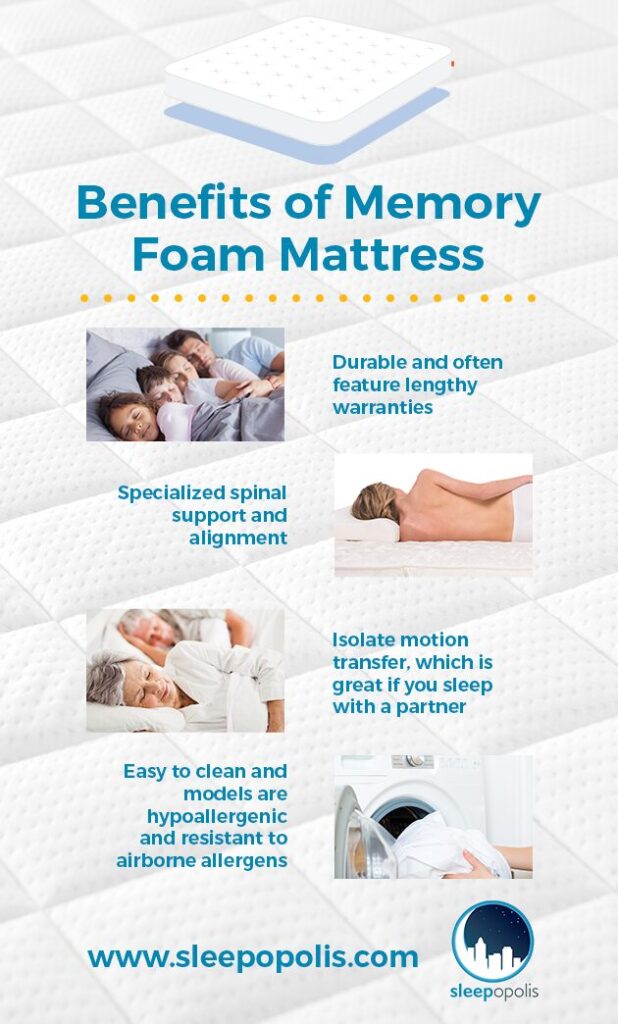
- Improved comfort: Memory foam mattresses can provide excellent support and pressure relief.
- Allergy-friendly: Memory foam is resistant to dust mites, mold, and mildew.
- Low motion transfer: Memory foam mattresses tend to absorb motion well, reducing partner disturbance.
Cons:
- Heat retention: Some memory foam mattresses can retain heat, making them uncomfortable for hot sleepers.
- Weight limitations: Heavy people may find it difficult to move around on a memory foam mattress.
- Limited durability: Some memory foam mattresses may not be as durable as other types of mattresses.
Choosing the Right Memory Foam Mattress
With so many options available, choosing the right memory foam mattress can be overwhelming. Here are some tips to help you make an informed decision:
- Consider your budget: Memory foam mattresses can range from affordable to very expensive.
- Think about your sleeping position: If you’re a side sleeper, look for a thicker mattress with more pressure relief.
- Research different types of memory foam: There are various types of memory foam available, including gel-infused and ventilated options.
Comparison with Other Types of Mattresses
Memory foam mattresses have several advantages over other types of mattresses. Here’s how they compare:
- Innerspring mattresses: Innerspring mattresses can be too firm for some sleepers, while memory foam mattresses provide better pressure relief.
- Latex mattresses: Latex mattresses are more breathable than memory foam mattresses but may not provide the same level of comfort.
How to Choose the Best Memory Foam Mattress
Choosing the best memory foam mattress can be a daunting task. Here are some tips to help you make an informed decision:
- Read reviews: Research different types of memory foam mattresses and read reviews from other customers.
- Consider your needs: Think about your sleeping position, body type, and preferences when choosing a memory foam mattress.
- Look for certifications: Look for certifications such as CertiPUR-US or Oeko-Tex to ensure the mattress meets certain standards.
Types of Memory Foam Mattresses
There are several types of memory foam mattresses available in the market. Here are some of the most popular options:
- Gel-infused memory foam: Gel-infused memory foam provides additional cooling and pressure relief.
- Ventilated memory foam: Ventilated memory foam allows for better airflow and breathability.
- Hybrid memory foam: Hybrid memory foam combines different types of materials, such as latex or wool, to provide added support and comfort.
The Benefits of Memory Foam Mattresses
Memory foam mattresses offer several benefits that make them an excellent choice for improving sleep quality. Here are some of the key benefits:
- Improved pressure relief: Memory foam mattresses can provide excellent pressure relief, making it ideal for side sleepers.
- Better support: Memory foam mattresses can provide better support for back and neck pain.
- Allergy-friendly: Memory foam is resistant to dust mites, mold, and mildew, making it an excellent choice for people with allergies.
Conclusion
Memory foam mattresses offer a unique combination of comfort, support, and pressure relief. While they have their drawbacks, many people find them to be an excellent choice for improving their sleep quality. By understanding the characteristics, pros, and cons of memory foam mattresses, you can make an informed decision when choosing the right mattress for your needs.
Frequently Asked Questions (FAQs)
- Q: What is the best way to care for a memory foam mattress?
A: It’s recommended to rotate and flip your memory foam mattress every 3-6 months to ensure even wear and tear. - Q: Can I use a memory foam mattress on my guest bed?
A: Yes, memory foam mattresses are ideal for guest beds due to their comfort and support. - Q: How long does it take for a memory foam mattress to lose its shape?
A: Memory foam mattresses can last up to 10 years or more with proper care and maintenance.
Additional Tips
- Always check the warranty and return policy before purchasing a memory foam mattress.
- Consider investing in a mattress protector to protect your investment from spills and stains.
- Don’t be afraid to try out different types of memory foam mattresses before making a purchase.


