
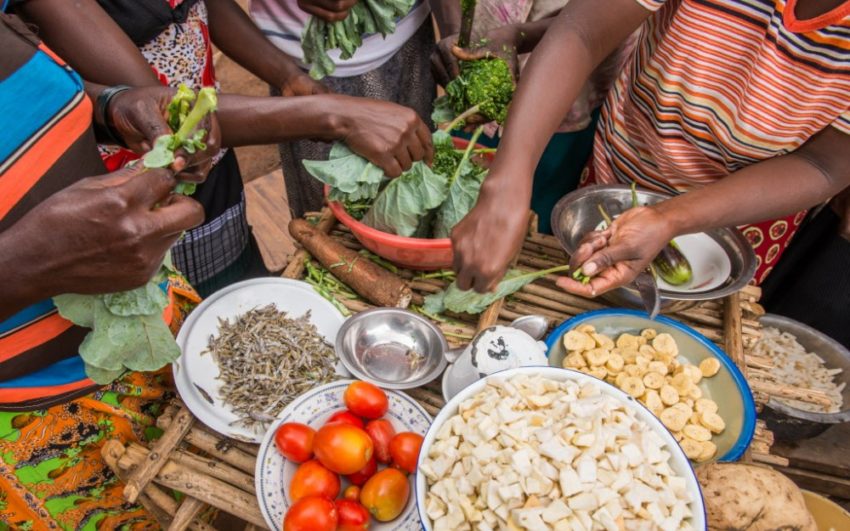
As we strive to reduce food waste, there’s a pressing issue that goes beyond our borders – a phenomenon that’s almost too big for us to handle. According to a staggering statistic, over 30% of the food produced for human consumption is wasted. This is more than just an environmental concern; it’s a matter of global importance, with far-reaching consequences for communities around the world.
The impact of food waste extends beyond the environment and has significant economic, social, and health implications. Food waste not only contributes to greenhouse gas emissions but also results in financial losses for producers, retailers, and consumers. Furthermore, the disposal of spoiled food can lead to the degradation of water resources, soil pollution, and loss of biodiversity.
The Scale of Food Waste
The industrial system is no exception when it comes to food waste. The gap between production and distribution is vast, leading to a staggering 222 million tons of wasted food annually. According to the FAO (Food and Agriculture Organization), this amount could feed the entire population of sub-Saharan Africa. To put this into perspective, if we were able to feed everyone in sub-Saharan Africa with the food produced each year, it would be enough to feed over 3 billion people.
Food waste is not limited to a specific region or country; it’s a global issue that requires immediate attention and collective action. The world’s population is projected to reach 9.7 billion by 2050, placing immense pressure on our food systems. In order to ensure everyone has access to nutritious food, we must work together to reduce food waste and create more sustainable food systems.
Italy’s Contribution to Food Waste
While Italy may not be considered one of the most virtuous countries when it comes to reducing food waste, it still contributes a significant 10% of the total amount. This translates to an annual loss of 8.8 million tons of food, with far-reaching implications for the environment and our economy.
Italy’s contribution to food waste is largely attributed to its high meat consumption, which leads to excess produce being wasted during production and transportation. The country also has a significant number of small-scale farms that struggle to compete with large industrial producers, resulting in overproduction and subsequent waste.
The Cycle of Food Waste
Food waste begins long before it reaches the consumer’s table. During production, distribution, and retail, inefficiencies and excesses lead to a significant amount of wasted food. For example, consider the quantities of unsold products left in supermarket warehouses or those that have expired due to poor storage conditions.
In the United States alone, it is estimated that 40% of the food supply goes uneaten each year. This staggering statistic highlights the need for a more efficient food system where no food is wasted and every calorie counts.
Industrial Food Waste: The Energy Price
But food waste is not just limited to agricultural products; it also has an energy component. The production and transportation of food require massive amounts of energy, which contributes to greenhouse gas emissions and climate change. For instance, the annual transportation of wasted food alone consumes 300 million barrels of oil – equivalent to about 4% of global oil production.
The production and distribution of food also have significant environmental implications. The use of synthetic fertilizers and pesticides in agriculture can pollute soil and water resources, while the transportation of food requires the burning of fossil fuels, contributing to greenhouse gas emissions.
A Global Issue Requiring a Global Response
The issue of food waste is far from trivial; it’s an environmental, social, and economic problem that requires immediate attention. The consequences of inaction will only exacerbate the crisis, with devastating effects on communities around the world.
To address this global issue, we must work together to create more sustainable food systems. This can be achieved through a variety of strategies, including reducing food packaging sizes, promoting efficient use of resources, and encouraging consumers to make more mindful purchasing decisions.
Solutions for Reducing Food Waste
There are numerous ways to reduce food waste, both at the individual and global levels. Some effective solutions include:
- Reducing Meat Consumption: Animal agriculture is a significant contributor to greenhouse gas emissions, deforestation, and water pollution. By reducing our meat consumption, we can significantly decrease our environmental impact.
- Improving Food Distribution: Food distribution systems need to be improved to ensure that products are sold at the right price and in the right quantity.
- Food Recovery: Food recovery programs can help reduce food waste by recovering surplus food and redistributing it to those who need it most.
- Reducing Packaging Waste: Reducing packaging waste is crucial for minimizing the environmental impact of food production, transportation, and consumption.
- Promoting Sustainable Agriculture Practices: Sustainable agriculture practices such as permaculture, regenerative agriculture, and organic farming can help reduce waste by promoting efficient use of resources.
Conclusion
Food waste is a ticking time bomb that demands our collective action. We must recognize the scale of this issue and work together to create a more efficient food system. By reducing waste, conserving energy, and promoting sustainable agriculture practices, we can help ensure that everyone has access to nutritious food and contributes to a healthier planet.
As we strive to reduce food waste, we must also consider the global implications of this crisis. If left unchecked, food waste will only exacerbate existing inequalities and exacerbate environmental degradation. It is our collective responsibility to take immediate action and work towards creating a more sustainable future for all.
Frequently Asked Questions
- What is the global impact of food waste?
Food waste affects not only the environment but also human health, economy, and social stability. - How much food waste occurs globally?
The estimated 222 million tons of wasted food annually could feed the entire population of sub-Saharan Africa. - Which countries contribute to the highest levels of food waste?
Italy is among the top contributors to food waste, followed closely by England and the United States. - What percentage of energy is used for food production and transportation?
Approximately 10-15% of global energy consumption goes towards producing, processing, transporting, and storing food. - Can food waste be reduced through individual actions?
Yes, making small changes to our daily habits, such as buying in bulk and planning meals carefully, can significantly reduce personal food waste. - How does the agricultural sector contribute to climate change?
Agriculture is responsible for around 25% of global greenhouse gas emissions, mainly due to deforestation, fertilizers, and pesticides. - Can urban agriculture help address food waste issues?
Yes, urban farming initiatives can help reduce food waste by increasing local production, improving efficiency in transportation, and promoting community engagement. - What role do policymakers play in addressing food waste?
Governments must establish regulations to promote efficient food systems, such as reducing food packaging sizes and encouraging composting practices.


