
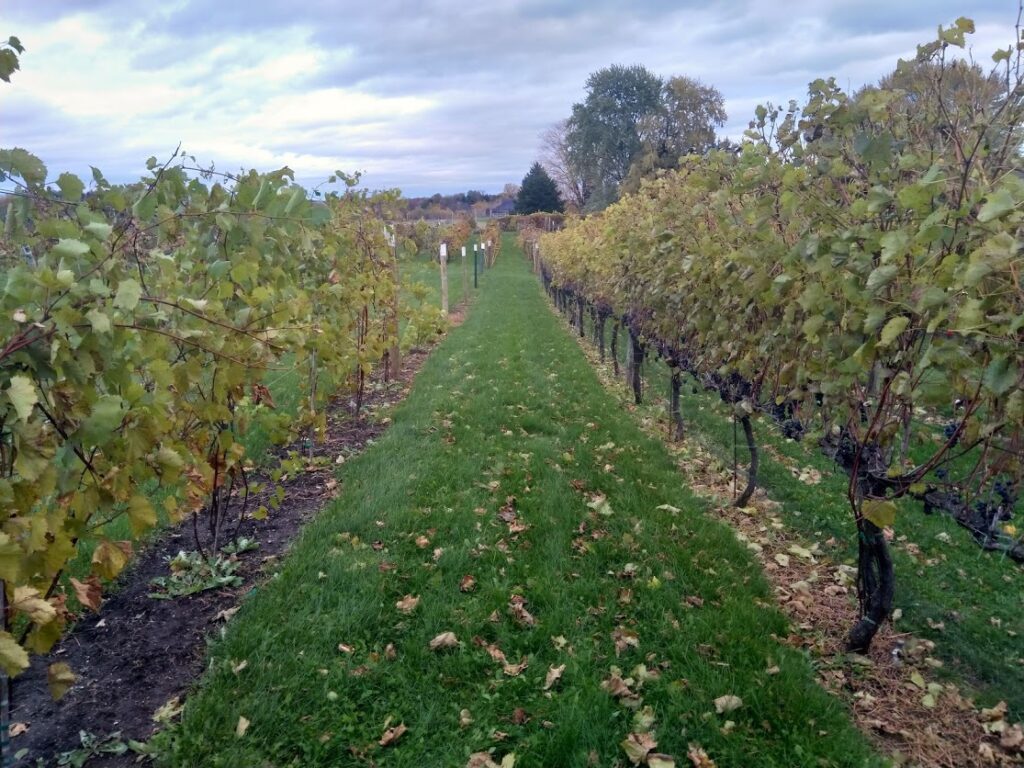
As a vineyard owner or enthusiast, it’s essential to understand the significance of winter fertilization for your grapevines. This process helps correct and prevent growth issues in the plant, leading to better yields and healthier vines. In this article, we’ll delve into the world of winter vine fertilization, covering topics from soil analysis to fertilizer selection.
Understanding the Importance of Winter Vine Fertilization
Winter fertilization is a crucial step in maintaining the health and productivity of your grapevines. When done correctly, it can help:
- Correct nutrient deficiencies: Identify and address any nutrient imbalances that may be affecting your vines’ growth.
- Prevent pests and diseases: Provide essential nutrients to boost your vines’ immune system and prevent pest and disease outbreaks.
- Improve fruit quality: Enhance the flavor, texture, and overall quality of your grapes.
By understanding the importance of winter vine fertilization, you’ll be better equipped to provide your grapevines with the necessary nutrients for optimal health and productivity.
Soil Analysis: The Foundation of Winter Vine Fertilization
Before applying fertilizers, it’s crucial to analyze your soil to determine its pH level, nutrient content, and other factors that affect plant growth. This analysis will help you identify areas for improvement and choose the right fertilizers for your vineyard.
There are several types of soil tests available, including:
- pH testing: Measures the acidity or alkalinity of the soil.
- Nutrient testing: Analyzes the levels of essential nutrients like nitrogen, phosphorus, and potassium.
- Organic matter testing: Evaluates the amount of organic material present in the soil.
By conducting a thorough soil analysis, you’ll be able to identify areas for improvement and create a customized fertilization plan for your vineyard.
Choosing the Right Fertilizer
With so many fertilizer options available, it can be overwhelming to decide which one to use. Here are some key considerations:
- Organic vs. synthetic: Organic fertilizers are derived from natural sources, while synthetic fertilizers are man-made.
- Slow-release vs. quick-acting: Slow-release fertilizers provide nutrients over an extended period, while quick-acting fertilizers offer immediate benefits.
- Elemental vs. complex: Elemental fertilizers contain individual nutrients, while complex fertilizers combine multiple nutrients.
When selecting a fertilizer, consider your soil type, climate, and the specific needs of your vineyard.
Winter Vine Fertilization Methods
There are two primary methods for winter vine fertilization: soil application and foliar spraying.
- Soil application: Involves mixing fertilizers with water to create a liquid solution that is applied directly to the soil.
- Foliar spraying: Involves spraying a concentrated fertilizer solution onto the leaves of the vine.
Both methods offer benefits, but it’s essential to choose the right method for your specific needs.
Timing and Frequency
The timing and frequency of winter vine fertilization depend on various factors, including climate, soil type, and vine variety.
In general, it’s recommended to apply fertilizers in late autumn or early winter, when the vines are dormant. This allows the nutrients to be absorbed during the growing season.
FAQs
Here are some frequently asked questions about winter vine fertilization:
- Q: When should I apply winter fertilizers?
A: Late autumn or early winter is usually the best time for winter fertilization. - Q: What types of fertilizers are suitable for my vineyard?
A: The type of fertilizer needed depends on your soil type, climate, and vine variety. - Q: Can I use a single fertilizer for both soil application and foliar spraying?
A: It’s generally recommended to use separate fertilizers for each method to ensure optimal benefits. - Q: How often should I apply winter fertilizers?
A: The frequency of application depends on the type of fertilizer used, but most vineyards follow a schedule that includes applications in late autumn and early spring.
By understanding the importance of winter vine fertilization, you’ll be better equipped to provide your grapevines with the necessary nutrients for optimal health and productivity.


