
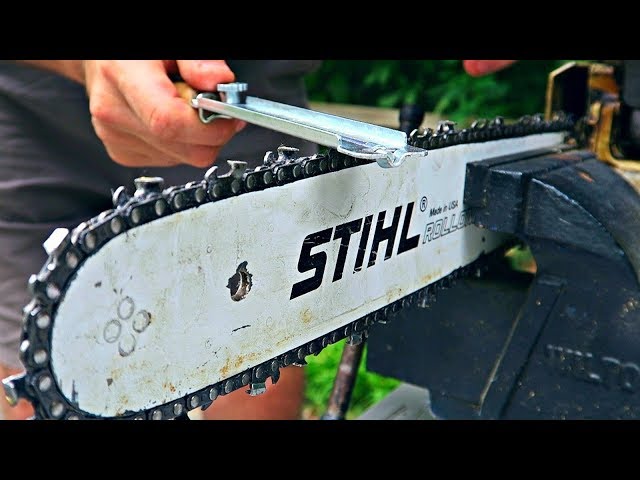
When it comes to maintaining your chainsaw, one of the most crucial tasks is sharpening the chain. A dull chain can lead to poor cutting performance, increased wear and tear on the saw, and even accidents. In this article, we’ll explore the options for sharpening your chainsaw chain: DIY or professional. We’ll delve into the costs, benefits, and drawbacks of each method, as well as provide tips and recommendations for getting the job done right.
The Cost of Professional Sharpening
Professional sharpening can be a significant expense, with prices ranging from €7-€8 per session. This cost may seem steep, especially if you’re not sure if your chain is in need of sharpening. However, consider the following:
- A professional sharpening session will ensure that your chain is properly aligned and sharpened to its optimal performance.
- Regular sharpening can help extend the life of your chainsaw and reduce maintenance costs.
The Benefits of Professional Sharpening
Professional sharpening offers several benefits, including:
- Expertise: Professionals have the training and experience to properly align and sharpen your chain, ensuring optimal performance and reducing wear and tear.
- Efficiency: Professional sharpeners can complete the task quickly and efficiently, saving you time and effort.
- Customization: Many professionals offer customized sharpening services tailored to your specific needs and saw type.
- Warranty: Reputable chainsaw manufacturers often provide warranties for professionally sharpened chains.
The Cost of DIY Sharpening
DIY sharpening, on the other hand, can be a cost-effective option. However, it requires:
- A small file or grinder (around €20-€50)
- Some patience and practice
- Constant monitoring to avoid over-sharpening
The Benefits of DIY Sharpening
DIY sharpening offers several benefits, including:
- Cost-effectiveness: A small file or grinder can be purchased for a fraction of the cost of professional sharpening.
- Control: You have complete control over the sharpening process and can adjust your technique to suit your needs.
- Learning experience: DIY sharpening can be a valuable learning experience, helping you develop new skills and confidence.
The Drawbacks of DIY Sharpening
However, there are also some drawbacks to consider:
- Time-consuming: Manual sharpening requires time and effort, which can be frustrating if done incorrectly.
- Skill required: Proper technique and patience are necessary for successful DIY sharpening.
- Risk of over-sharpening: Without proper monitoring, you may end up over-sharpening your chain, leading to premature wear and tear.
The Benefits of Mechanized Sharpening
Mechanized sharpeners offer convenience and ease of use, making them an attractive option for many users:
- Faster sharpening times: Electric chain sharpeners can complete the task quickly and efficiently.
- Easier alignment: Mechanized sharpeners often feature adjustable guides and settings to ensure proper alignment.
- Less physical strain: No need to manually hold or maneuver the chain, reducing fatigue.
The Drawbacks of Mechanized Sharpening
However, there are also some drawbacks to consider:
- Initial cost: Electric chain sharpeners can be more expensive than manual sharpening methods (around €70-€80).
- Maintenance requirements: Some mechanized sharpeners require more frequent cleaning or replacement parts.
- Dependence on technology: If the machine breaks down, you may need to seek professional assistance.
Tips and Recommendations
Regardless of your chosen method, here are some tips and recommendations to keep in mind:
- Regular maintenance: Regular sharpening can help extend chain life and reduce maintenance costs.
- Choose the right saw type: Select a sharpener designed specifically for your chainsaw type.
- Keep records: Keep track of your sharpening sessions, including dates, times, and any issues encountered.
Conclusion
Sharpening your chainsaw chain is a vital maintenance task that requires attention to detail and the right tools. While professional sharpening may seem expensive, it offers peace of mind knowing your chain is properly aligned and sharpened. DIY sharpening can be a cost-effective option, but it requires patience, skill, and practice. Mechanized sharpeners offer convenience and ease of use.
Frequently Asked Questions
- What is the ideal sharpening frequency for my chainsaw?
Depending on usage and conditions, sharpen your chain every 10-20 hours of operation. - Can I sharpen my chainsaw chain at home?
Yes, but be aware that manual sharpening requires time and effort, while mechanized sharpeners offer convenience and ease of use. - How do I choose the right sharpening method for my chainsaw?
Consider factors like saw type, sharpness settings, and maintenance requirements when selecting a sharpening method. - Can I re-sharpen my chain if it’s already been sharpened?
Yes, but be aware that over-sharpening can lead to premature wear and tear on the chain. - What are the benefits of regular sharpening for my chainsaw?
Regular sharpening extends chain life, reduces maintenance costs, and improves cutting performance. - How do I store my sharpening tool when not in use?
Store your sharpener in a dry place, away from children and pets, to ensure longevity and safety. - Can I share a sharpening session with someone else?
No, each person should have their own sharpening session to avoid cross-contamination of debris or oils. - What happens if my chain is excessively dull?
If your chain is excessively dull, it may be difficult to cut effectively and could potentially cause accidents.
By understanding the pros and cons of each method, you can make an informed decision about which sharpening approach is right for you.


