
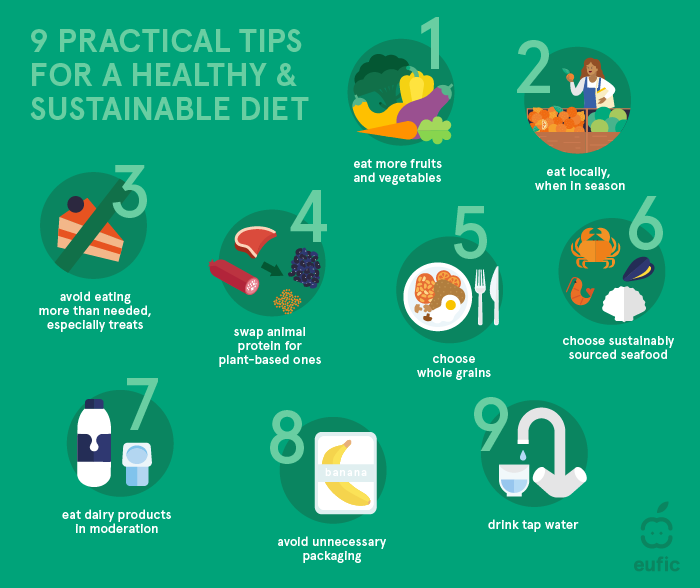
Following a healthy diet that is both balanced and sustainable may seem like an impossible task today, but it’s actually achievable with the right approach. With our increasingly busy lives, it can be tempting to rely on fast food, processed snacks, and pre-cooked meals. However, adopting a healthy diet that is also environmentally friendly should be everyone’s goal.
In this article, we’ll explore four practical tips for maintaining a balanced and sustainable eating habits.
Content
1. Buy Fresh Fruit and Vegetables at Local Markets or from Directly to the Farmer
One common habit when it comes to buying fresh fruit and vegetables is purchasing them at supermarkets due to convenience. However, this practice should be avoided as much as possible. Buying fruits and veggies directly from local markets or farmers is essential for several reasons:
- Health Benefits: Fresh produce contains fewer harmful chemicals than industrially grown produce.
- Environmental Sustainability: This approach supports the local economy while reducing carbon footprint.
- Supporting Local Farmers: By buying fresh produce directly from farmers, you are supporting local agriculture and contributing to a more sustainable food system.
To start incorporating this tip into your daily routine, consider the following:
- Visit your local farmer’s market or grocery store that sources products from local farmers.
- Ask your farmer about their production methods, soil quality, and any organic or non-GMO practices they use.
- Consider buying a community-supported agriculture (CSA) program to receive fresh produce directly from a local farm.
2. Monitor Your Calorie Intake
Maintaining a healthy diet means following a balanced meal plan, which includes monitoring calorie intake for each meal. However, it’s easy to get carried away and make mistakes when trying to control calorie consumption. Be aware that products labeled as “light” or “low-calorie” may not be as they claim.
To effectively monitor your calorie intake:
- Use a food diary or mobile app to track your daily food consumption.
- Aim for a balanced diet with protein, healthy fats, and complex carbohydrates at each meal.
- Consider consulting a registered dietitian or nutritionist for personalized guidance on maintaining a healthy weight.
3. Opt for Seasonal Produce
For a balanced and varied diet, another key tip is to prefer seasonal produce. Fresh produce during each season ensures healthier food choices while reducing carbon emissions due to transportation.
To incorporate this tip into your daily routine:
- Check the local farmer’s market or grocery store to see what seasonal produce is available.
- Consider cooking meals that feature seasonal ingredients to ensure freshness and variety.
- Learn about different types of seasonal produce, such as leafy greens in springtime or stone fruits in summer.
4. Avoid Pre-Cooked Meals and Packaged Products
Finally, it’s essential to avoid pre-cooked meals and packaged products in favor of fresh ingredients. This not only ensures a healthy diet but also helps reduce food waste. Services like HelloFresh provide convenient options for cooking new and original dishes with minimal effort.
To start incorporating this tip into your daily routine:
- Plan meals in advance using meal planning services like HelloFresh or cooking apps.
- Shop for fresh ingredients and cook at home to avoid pre-cooked meals and packaged products.
- Consider investing in a slow cooker or Instant Pot for convenient meal preparation.
By incorporating these four tips into your daily routine, you’ll be well on your way to maintaining a balanced, sustainable, and healthy eating habit.
Conclusion
Maintaining a balanced and sustainable diet takes time and effort but is worth the investment. By following our four key tips – buying fresh produce at local markets or directly from farmers, monitoring calorie intake, preferring seasonal produce, and avoiding pre-cooked meals and packaged products – you can ensure that your eating habits are both healthy and environmentally friendly.
Frequently Asked Questions
- What is the best way to ensure a balanced diet while reducing environmental impact?
- Buying fresh produce at local markets or directly from farmers.
- How can I monitor my calorie intake effectively?
- Use meal planning services like HelloFresh that provide nutritional information and portion control.
- Why is it essential to prefer seasonal produce?
- Seasonal produce ensures healthier food choices while reducing carbon emissions due to transportation.
- What are some healthy alternatives to pre-cooked meals and packaged products?
- Fresh ingredients from local markets or farmers, meal planning services like HelloFresh, and preparing meals at home with minimal effort.
- How can I maintain a balanced diet on the go?
- Plan meals in advance using meal planning services like HelloFresh, and prepare healthy snacks for convenience.
- What are some tips for reducing food waste while maintaining a healthy diet?
- Use up leftover ingredients from cooking at home, plan meals around seasonal produce, and avoid overbuying perishable items.
- How can I ensure that my eating habits are both healthy and sustainable?
- Incorporate four key tips into your daily routine: buying fresh produce at local markets or directly from farmers, monitoring calorie intake, preferring seasonal produce, and avoiding pre-cooked meals and packaged products.
- What is the best way to stay motivated when it comes to maintaining a balanced diet?
- Set realistic goals, track progress, and celebrate small victories along the way.


