
As we navigate the complexities of modern life, it’s essential to understand the impact of toxic metals on our health and well-being. These metals can be harmful if ingested, inhaled, or absorbed through the skin, affecting not only humans but also other animals and plants. In this article, we’ll delve into the world of toxic metals, exploring their types, effects, and ways to mitigate their harm.
Toxic Metals: The Silent Killers
Among the toxic metals, we find mercury, lead, aluminum, cadmium, and arsenic. These heavy metals are responsible for various health issues, from neurological damage to cancer and immunodeficiency diseases. They can enter our bodies through various routes, including food, air, and skin contact.
Understanding the Risks of Toxic Metals
Toxic metals can accumulate in our bodies over time, leading to a range of health problems. Mercury, for example, is a potent neurotoxin that can damage brain cells, impair cognitive function, and increase the risk of Parkinson’s disease and Alzheimer’s disease. Lead exposure has been linked to developmental delays, learning disabilities, and organ damage.
The Health Effects of Heavy Metals
Heavy metals like mercury, lead, and cadmium are particularly concerning because they can accumulate in our bodies over time. These metals can disrupt metabolic processes, leading to energy deficits and a range of symptoms. Aluminum, for instance, has been linked to Alzheimer’s disease, Parkinson’s disease, and Down syndrome.
Disintegrating the Toxic Metals
When exposed to toxic metals, our body’s natural detoxification process becomes overwhelmed. This leads to the accumulation of these metals in various organs, causing damage and disrupting normal function. It’s essential to recognize the signs of toxicity and seek medical attention if you suspect exposure.
The Role of Diet in Reducing Toxic Metal Exposure
Our diet plays a significant role in reducing our exposure to toxic metals. Consuming foods high in mercury, such as fish and shellfish, can increase the risk of mercury poisoning. Avoiding these foods or choosing low-mercury alternatives can help minimize risks.
Using Filtered Water to Reduce Aluminum Exposure
Aluminum is often found in tap water, which can lead to excessive exposure over time. Using filtered water or a water filter that removes aluminum can help reduce exposure.
Signs of Toxic Metal Exposure: What to Look Out For
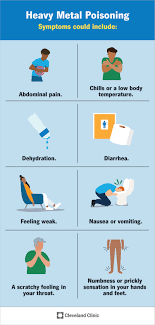
While some symptoms may be subtle, there are several signs that indicate toxic metal exposure:
- Fatigue and weakness
- Neurological damage, such as tremors, numbness, or tingling sensations in the hands and feet
- Skin problems, like acne, eczema, or dermatitis
- Cognitive impairment, including memory loss, confusion, or difficulty concentrating
Mitigating the Effects of Toxic Metals
While it’s essential to understand the risks associated with toxic metals, there are several steps we can take to mitigate their effects:
- Detoxification: Work with a healthcare professional to develop a detoxification plan that incorporates natural methods, such as dietary changes, herbal remedies, and exercise.
- Avoiding exposure: Take steps to reduce exposure to toxic metals, such as avoiding foods high in mercury, using filtered water, and reducing exposure to air pollution.
- Testing and monitoring: Regularly test for heavy metal toxins and monitor your health to detect any signs of toxicity.
Toxic Metals in Vaccines: Understanding the Risks
Vaccines often contain toxic metals like mercury, which can cause harm if ingested. The recommended dose of mercury in childhood vaccines is equivalent to 30 times the daily exposure limit for adults. While vaccination is essential, it’s crucial to be aware of the potential risks associated with these metals.
Reducing Exposure to Mercury and Other Toxic Metals
While some measures can’t eliminate the risk of toxic metal exposure entirely, there are steps we can take to reduce our exposure:
- Choosing low-mercury vaccines: Opt for vaccines that use alternative preservatives, such as thimerosal-free options.
- Avoiding foods high in mercury: Limit consumption of fish and shellfish, which are high in mercury.
- Using filtered water: Use a water filter that removes aluminum to reduce exposure.
Conclusion
Toxic metals pose a significant threat to human health, but by understanding their risks and taking steps to mitigate their effects, we can protect our well-being. By incorporating natural detoxification methods, avoiding foods high in mercury, using filtered water, and reducing exposure to air pollution, we can minimize the risks associated with toxic metals.
Frequently Asked Questions (FAQs)
- What are the symptoms of toxic metal exposure?
- Fatigue, weakness, neurological damage, cognitive impairment, and skin problems.
- How can I disintoxify my body from heavy metals?
- Consult a doctor or healthcare professional for guidance on detoxification methods.
- Can I get rid of mercury in my body naturally?
- No, mercury is a potent toxin that requires medical attention to remove.
- Are all types of aluminum safe to consume?
- No, excessive aluminum consumption may contribute to health problems like Alzheimer’s disease and Parkinson’s disease.
- Can I reduce my risk of toxic metal exposure through diet and lifestyle changes?
- Yes, avoiding foods high in mercury, using filtered water, and reducing exposure to air pollution can help minimize risks.
By taking a proactive approach to understanding the risks associated with toxic metals and incorporating natural detoxification methods into our daily lives, we can protect our health and well-being for generations to come.


