
Introduction
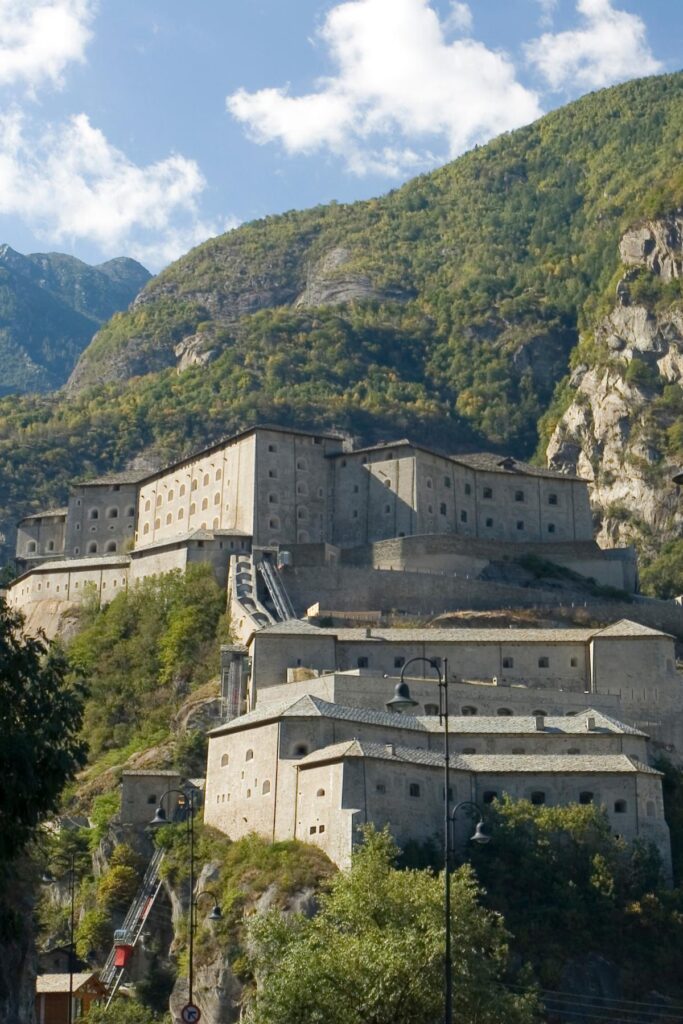
Tucked away in the heart of Europe lies the Aosta Valley, a region of breathtaking natural beauty that offers endless opportunities for ecotourism. From majestic mountains to serene alpine lakes, this valley is a paradise for nature lovers and adventure seekers alike. In this article, we’ll embark on a journey to discover some of the best ecotourism proposals in Val d’Aosta, allowing you to explore the region’s hidden gems.
Ecotourism: What is it?
Before we dive into the specifics of ecotourism in Val d’Aosta, let’s first define what it means. Ecotourism is a type of tourism that focuses on environmental conservation and sustainability. It involves responsible travel practices that minimize the impact on local ecosystems and communities.
Ecotourism can be defined as “responsible travel to natural areas that conserves the environment, sustains the well-being of local people, and involves interpretation and education.” This approach aims to promote a healthy relationship between humans and nature, while also supporting local economies and communities.
Ecotourism in Val d’Aosta
Val d’Aosta is a region located at the border between France and Switzerland, known for its stunning mountains, pristine lakes, and rich cultural heritage. With its unique blend of French and Italian influences, this valley offers a truly immersive experience for visitors.
The region’s natural beauty has been shaped by millions of years of geological activity, resulting in a diverse range of landscapes and ecosystems. From the towering peaks of the Gran Paradiso massif to the serene alpine lakes and valleys, Val d’Aosta is a nature lover’s paradise.
1. Ecotourism in the Gran Paradiso National Park
Located between Piedmont and Valle d’Aosta, the Gran Paradiso National Park is one of Italy’s most famous national parks. This protected area is home to an incredible variety of flora and fauna, including marmots, wolves, and birds of prey.
The park’s network of trails stretches for over 500 kilometers, offering something for every level of experience. From easy day hikes to multi-day treks, there’s no shortage of opportunities to explore the park’s stunning landscapes.
Visitors to the Gran Paradiso National Park can enjoy a range of activities, including hiking, camping, and wildlife spotting. The park is also home to several traditional mountain huts, where visitors can rest and refuel during their journey.
2. Ecotourism along the Ru valleys
The Ru valleys are artificial medieval canals used for irrigation, and they offer a unique opportunity for ecotourists to experience the region’s rich history and culture.
These soft trekking activities are perfect for those who want to explore the valley without exerting themselves too much. With its serene landscapes and picturesque villages, the Ru valleys are an ideal destination for nature lovers and photography enthusiasts.
Visitors can hike along the valley floor, exploring the charming villages and towns that line the route. The Ru valleys are also home to several traditional farms, where visitors can learn about local agricultural practices and sample delicious regional cuisine.
3. Ecotourism between the alpine lakes of Cervino
Cervino is one of the most beloved peaks among mountain enthusiasts, and for good reason. Its stunning vistas and crystal-clear lakes make it a paradise for outdoor enthusiasts.
One of the most popular destinations in the area is the Lago Blu di Cervinia, a lake surrounded by conifers that reflects the image of Cervino perfectly. The trek to the lake is accessible to everyone, making it an ideal activity for families and beginners.
Visitors can also enjoy water sports on the lake, such as kayaking and paddleboarding. The surrounding mountains offer a range of hiking trails, from easy day hikes to more challenging multi-day treks.
4. Ecotourism in the Mont Avic Regional Park
Located in the municipality of Champdepraz, the Mont Avic Regional Park is a haven for nature lovers and birdwatchers. With its 5,700 hectares of area, this park is home to an incredible variety of flora and fauna.
The park’s natural area has scientific importance, protecting local biodiversity and rare botanical species typical of alpine environments. Visitors can explore the park on foot or by bike, with various trails and activities available for all levels of experience.
Visitors can also enjoy birdwatching, with over 100 species of birds documented in the park. The Mont Avic Regional Park is also home to several traditional mountain huts, where visitors can rest and refuel during their journey.
5. Ecotourism in Val Ferret
Val Ferret is a valley located at the foot of the Monte Bianco massif, offering breathtaking vistas and opportunities for outdoor enthusiasts.
This valley is perfect for hikers and skiers alike, with its well-marked trails and stunning landscapes. In winter, visitors can enjoy 20 kilometers of snow-covered trails until late spring, making it an ideal destination for those who love to ski de fond.
Visitors can also explore the valley’s charming villages and towns, which offer a range of traditional shops and restaurants. The Val Ferret Valley is also home to several natural hot springs, where visitors can relax and rejuvenate.
Conclusion
Val d’Aosta is a region that has something for everyone, whether you’re a nature lover, adventure seeker, or simply looking for a relaxing getaway. With its stunning landscapes, rich cultural heritage, and commitment to environmental conservation, this valley is the perfect destination for anyone interested in ecotourism.
So why not start planning your next ecotourism adventure today? Whether you’re exploring the Gran Paradiso National Park, trekking along the Ru valleys, or simply taking in the breathtaking views of Cervino, Val d’Aosta has something to offer every type of traveler.
FAQs
- What is ecotourism?
Ecotourism is a type of tourism that focuses on environmental conservation and sustainability. It involves responsible travel practices that minimize the impact on local ecosystems and communities. - Where can I go for ecotourism in Val d’Aosta?
Val d’Aosta offers a range of ecotourism options, including hiking, trekking, birdwatching, and more. Some popular destinations include the Gran Paradiso National Park, Ru valleys, Lago Blu di Cervinia, Mont Avic Regional Park, and Val Ferret. - What are the benefits of ecotourism?
Ecotourism offers a range of benefits, including promoting environmental conservation, supporting local communities, and providing opportunities for outdoor recreation and adventure. - How can I plan an ecotourism trip to Val d’Aosta?
Planning an ecotourism trip to Val d’Aosta requires research and planning. Start by choosing a destination that suits your interests and abilities, and then plan your itinerary accordingly. - What should I bring on an ecotourism trip to Val d’Aosta?
When packing for an ecotourism trip to Val d’Aosta, be sure to bring comfortable hiking shoes, clothing, and gear suitable for the season and activity level. - Can I go on a guided ecotourism tour in Val d’Asta?
Yes, there are many guided ecotourism tours available in Val d’Aasta, ranging from half-day hikes to multi-day treks. These tours can be booked through local tour operators or travel agencies. - How can I support local communities through ecotourism?
Supporting local communities through ecotourism involves choosing accommodations and tour operators that are owned and operated by locals. This helps to promote economic development and conservation efforts in the region. - What is the best time of year for ecotourism in Val d’Aosta?
The best time for ecotourism in Val d’Aosta depends on your interests and the activity level you prefer. Summer offers warm weather and long days, while winter provides opportunities for skiing and snowboarding. Spring and autumn offer mild temperatures and fewer crowds.
Additional Tips
- Responsible Travel: When traveling to Val d’Aosta, be sure to practice responsible travel habits. This includes reducing your carbon footprint, respecting local wildlife, and supporting local businesses.
- Environmental Conservation: Val d’Aosta is home to several protected areas, including national parks and nature reserves. Be sure to respect these areas and take steps to minimize your impact on the environment.
- Cultural Sensitivity: When visiting cultural sites and traditional villages, be sure to show respect for local customs and traditions.
- Safety First: Always prioritize your safety when engaging in outdoor activities in Val d’Aosta. Make sure to check the weather forecast and trail conditions before heading out.
By following these tips and being mindful of your impact on the environment, you can help ensure a sustainable and enjoyable ecotourism experience in Val d’Aosta.


