
As the arrival of spring brings new life to our homes, so do the unwanted guests – ants. While they may not be dangerous, their presence can be unwelcome and overwhelming. The temptation to resort to harsh chemicals is strong, but is that really the best solution?
In this article, we’ll explore natural remedies against ants in your home, providing a more eco-friendly and safer alternative to traditional insecticides.
The Risks of Traditional Insecticides
When it comes to ant infestations, many people reach for quick fixes like chemical sprays. However, these products often come with unintended consequences – not just for the environment, but also for human health and pet safety.
The term “insecticide” might suggest a harmless substance, but the truth is that most commercial insecticides contain toxic chemicals that can harm animals, people, and even pets. Even those marketed as “safe” or “non-toxic” can still pose risks, especially when misused.
Chemical insecticides often contain synthetic compounds that are designed to target specific types of insects, but these substances can have far-reaching consequences for the environment and human health. Some common ingredients found in commercial insecticides include:
- Pyrethroids: These synthetic pesticides mimic the natural insecticide found in plants, but they can still cause harm to humans, pets, and wildlife.
- Neonicotinoids: These chemicals have been linked to widespread pesticide poisoning in bees and other pollinators.
- Organophosphates: These toxic compounds can cause neurological damage, cancer, and reproductive issues.
Natural Ant Repellents: A Safer Alternative
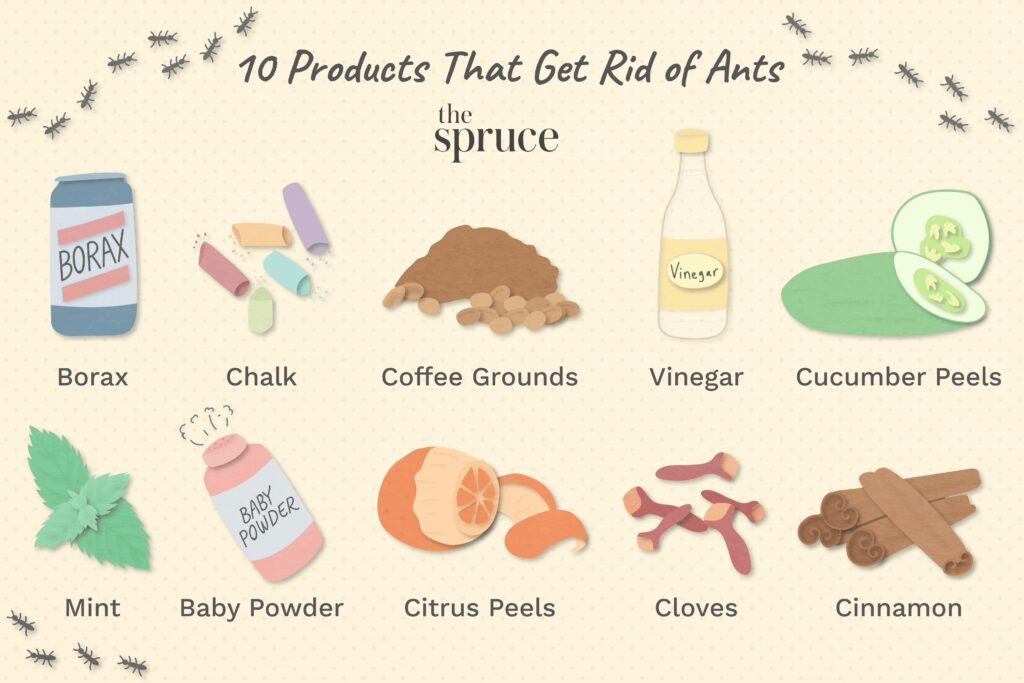
So, what are some effective natural remedies to keep ants out of your home? Here are a few tried-and-true methods:
Finding the Point of Entry
Before we dive into repellents, it’s essential to locate the point of entry for those unwanted visitors. Ants often find their way into homes through cracks and crevices around doors, windows, and baseboards.
Identify the source
By finding the weakest link in your home’s defense system, you can take steps to seal off any gaps or holes that might be allowing ants to enter.
Cleaning and Hygiene
Maintaining a clean home is crucial in keeping ants at bay. Regularly sweeping and dusting surfaces, especially in areas where food is prepared and consumed, can help reduce the likelihood of ant infestations.
Borax and Vinegar: A Powerful Combo
Capping entry points with borax or mixing equal parts water and white vinegar can be a simple yet effective way to deter ants. The acidity in vinegar disrupts ants’ digestive systems, while borax dehydrates them, making it harder for them to survive.
Minty Fresh Remedy
Planting mint or peppermint around your home’s exterior can help repel ants. These herbs have a natural, pungent scent that deters ants from entering your home.
Caffeine: A Surprising Ant Repellent
Believe it or not, caffeine can also be used to repel ants! Sprinkling powdered coffee grounds around entry points can create a barrier that keeps ants away.
DIY Insecticidal Soap
If you prefer to make your own ant repellent, try mixing equal parts water and dish soap with a small amount of white vinegar. Spray this solution directly onto ants or areas where they tend to congregate.
Conclusion: A Natural Approach to Ant Control
While it may take some effort to implement these natural remedies, the benefits far outweigh any temporary convenience provided by chemical insecticides. By adopting a more eco-friendly approach to ant control, you can create a safer and healthier environment for your family, pets, and the environment itself.
Frequently Asked Questions: Natural Ant Control
- Q: Are all ants poisonous?
A: No, while some species of ants are toxic, most ants are harmless to humans. - Q: Can I use essential oils to repel ants?
A: Some essential oils, such as peppermint and tea tree oil, have natural ant-repelling properties. However, always dilute these oils with water before applying them around entry points. - Q: How effective are natural ant repellents against carpenter ants?
A: Natural repellents may not be as effective against carpenter ants as they are against other species of ants. - Q: Can I use borax and sugar to trap ants?
A: Yes, this method can be used to capture ants, but it’s essential to dispose of the trapped ants humanely and safely. - Q: Are natural ant repellents suitable for homes with pets or allergies?
A: Natural ant repellents are generally safe for pets and people with allergies, but always consult with a healthcare professional before using any new substance in your home. - Q: Can I use DIY insecticidal soap on carpets or upholstered furniture?
A: Avoid using homemade insecticidal soap on carpets or upholstered furniture, as it may damage the material or cause discoloration. - Q: Are natural ant repellents effective against queen ants?
A: While some natural repellents can help reduce the population of worker ants, they are unlikely to affect queen ants directly. - Q: Can I use natural ant repellents in conjunction with other pest control methods?
A: Absolutely! Combining natural ant repellents with other non-toxic pest control methods can create a comprehensive and effective strategy for managing ant infestations.
In conclusion, understanding the risks associated with traditional insecticides is essential to adopting a more sustainable approach to ant control. By exploring natural remedies against ants in your home, you can create a safer and healthier environment for everyone involved.


