
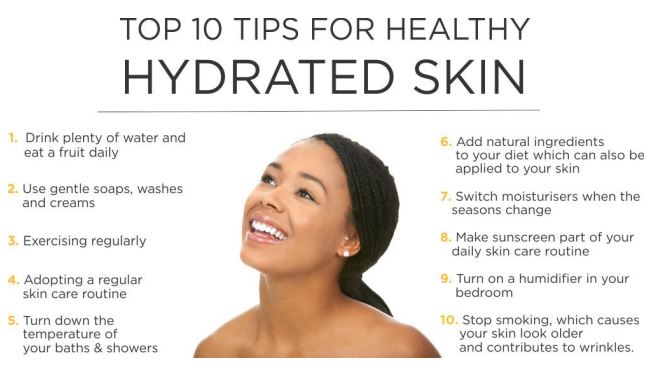
Understanding the Importance of Hydration
As we go about our daily lives, it’s easy to overlook one of the most crucial aspects of our health and beauty routine: hydrating our skin. Dehydration can lead to dullness, dryness, and even inflammation. In this article, we’ll explore the best ways to hydrate your skin naturally, from the inside out.
The Power of Internal Hydration
Drinking enough water is essential for maintaining healthy, hydrated skin. But it’s not just about drinking plenty of water – it’s also about eating a balanced diet rich in fruits, vegetables, and whole grains. These foods provide essential nutrients, vitamins, and minerals that support skin health.
Ask yourself:
- How much water do you drink every day?
- Is your diet rich in fiber-rich foods like fruits, vegetables, and whole grains?
- Are you getting enough omega-3 fatty acids from sources like fish, flaxseeds, or walnuts?
The Impact of Environmental Humidity
In addition to internal hydration, environmental humidity plays a significant role in maintaining healthy skin. Dry air can strip your skin of its natural moisture, leading to dryness and irritation.
To combat this, consider:
- Using an humidifier, especially during the winter months
- Avoiding exposure to harsh chemicals and cleaning products that can dry out your skin
Natural Remedies for Hydrating Your Skin
Now that we’ve covered internal hydration and environmental humidity, let’s dive into some natural remedies that can help hydrate your skin.
Aloe Vera Gel
Aloe vera gel is a popular natural remedy for soothing sunburned skin. After a day at the beach or a long hike, apply aloe vera gel to calm and hydrate your skin.
Benefits of Aloe Vera
- Reduces inflammation and redness
- Soothes sunburns and minor cuts
- Hydrates and moisturizes dry skin
Tips for using aloe vera gel:
- Choose pure, unfiltered aloe vera gel that’s free of additives
- Apply it after showering or bathing while your skin is still damp
- Avoid applying aloe vera gel to sensitive areas like the face or cuticles
Coconut Oil
Coconut oil is an excellent moisturizer that can help hydrate and nourish your skin. Apply it after showering or bathing, and use it as a lip balm for dry, chapped lips.
Benefits of Coconut Oil
- Hydrates and moisturizes dry skin
- Nourishes and protects the skin from environmental stressors
- Can help reduce acne and inflammation
Tips for using coconut oil:
- Use high-quality, pure coconut oil that’s free of additives
- Apply it after showering or bathing while your skin is still damp
- Avoid applying coconut oil to sensitive areas like the face or cuticles
Oils and Essences for Skin Hydration
In addition to aloe vera gel and coconut oil, there are several other oils and essences that can help hydrate your skin. Some popular options include:
- Jojoba oil: rich in antioxidants and essential fatty acids
- Argan oil: packed with vitamins A, C, and E, as well as omega-3 fatty acids
- Rosehip oil: high in antioxidants and essential fatty acids
When using these oils or essences, remember to always dilute them with a carrier oil like coconut or jojoba oil.
Hydrating Your Skin After the Sun
After spending time outdoors, it’s essential to hydrate your skin ASAP. Here are some tips for hydrating your skin after the sun:
- Apply an aloe vera gel or other natural remedy immediately after sun exposure
- Use a broad-spectrum sunscreen with at least SPF 30 to prevent further damage
- Exfoliate your skin gently using a sugar or salt scrub to remove dead skin cells
Hydrating Your Hands and Feet
In addition to hydrating your face, hands, and feet are also prone to dryness and irritation. Here are some tips for hydrating these areas:
- Apply a rich moisturizer or cream immediately after showering or bathing
- Use a hand cream or lotion that contains natural ingredients like coconut oil or shea butter
- Avoid using harsh soaps or cleansers that can strip your skin of its natural oils
Hydrating Your Lips
Dry, chapped lips are a common problem during the winter months. Here are some tips for hydrating your lips:
- Apply a lip balm or lip scrub containing natural ingredients like beeswax, coconut oil, or honey
- Use a humidifier to add moisture back into the air
- Avoid licking your lips, as this can further dry them out
Additional Tips for Hydrating Your Skin
Here are some additional tips for hydrating your skin:
- Drink plenty of water throughout the day to stay hydrated from the inside out
- Exfoliate your skin regularly using a gentle exfoliant like sugar or salt
- Use a facial steamer to open up your pores and allow for better penetration of skincare products
- Avoid using hot water when showering, as this can strip your skin of its natural oils
Conclusion
Hydrating your skin is an essential part of maintaining healthy, glowing skin. By incorporating internal hydration, environmental humidity, and natural remedies like aloe vera gel, coconut oil, and oils and essences into your skincare routine, you can say goodbye to dryness and hello to radiant, healthy-looking skin.
Frequently Asked Questions
- Q: How often should I drink water to stay hydrated?
A: Aim to drink at least eight glasses of water per day. - Q: Can I use coconut oil on my face?
A: Yes, but be sure to dilute it with a carrier oil and start with small amounts to test for sensitivity. - Q: What’s the best way to hydrate my skin after spending time outdoors?
A: Apply an aloe vera gel or other natural remedy immediately after sun exposure, use a broad-spectrum sunscreen, and exfoliate gently. - Q: Can I use jojoba oil on my hands and feet?
A: Yes, but be sure to dilute it with a carrier oil and start with small amounts to test for sensitivity. - Q: How often should I moisturize my lips?
A: Apply a lip balm or lip scrub containing natural ingredients at least twice a day, especially before bedtime. - Q: Can I use shea butter on my face?
A: Yes, but be sure to dilute it with a carrier oil and start with small amounts to test for sensitivity. - Q: What’s the best way to hydrate my skin during the winter months?
A: Use an humidifier, apply a rich moisturizer or cream immediately after showering or bathing, and avoid using harsh soaps or cleansers. - Q: Can I use honey on my skin?
A: Yes, but be sure to dilute it with a carrier oil and start with small amounts to test for sensitivity.


