
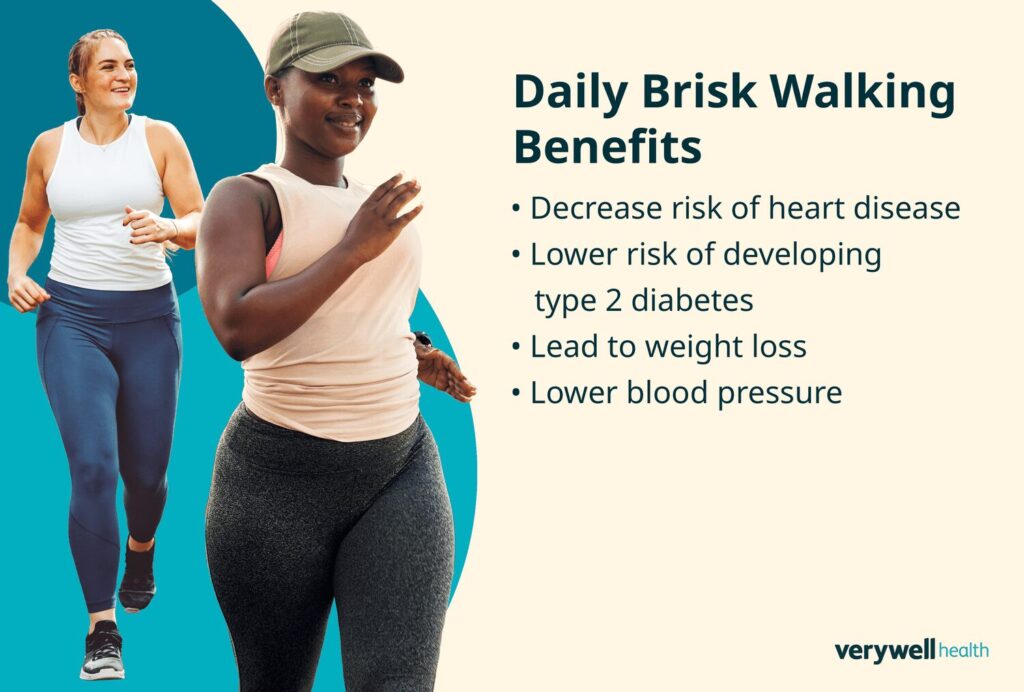
As we age, it’s essential to find exercises that are gentle on our joints while still providing numerous health benefits. One such activity is fast walking, a form of exercise that has gained popularity in recent years due to its simplicity and effectiveness. In this article, we’ll delve into the world of fast walking, exploring its history, benefits, and how it can be incorporated into your daily routine.
What is Fast Walking?
Fast walking is a pace of walking that is faster than the typical pace at which most people walk. It’s not as intense as jogging or running, but still provides an excellent cardiovascular workout. Imagine yourself walking quickly to catch up with a friend – that’s roughly the speed at which fast walking occurs.
Fast walking has become increasingly popular among seniors due to its ease of use and low-impact nature on joints. Recent studies have shown that older adults who walk faster and for longer periods are less likely to develop cardiovascular diseases over their lifetime.
Benefits of Fast Walking
So, what exactly do we get from fast walking? Here are some of the key benefits:
- Improved Cardiovascular Health: Regular fast walking can lower blood pressure, improve circulation, and increase overall cardiovascular health.
- Weight Management: Fast walking burns calories and helps with weight loss, making it an excellent way to manage body weight.
- Mental Clarity and Productivity: Taking a walk can help clear your mind, boost creativity, and increase productivity – perfect for tackling that pesky task list!
- Stronger Bones: Weight-bearing exercise like fast walking can strengthen bones and reduce the risk of osteoporosis.
- Convenience: Fast walking is an easy way to get some exercise without requiring expensive gym memberships or special equipment.
Tips for Getting Started with Fast Walking
Ready to give fast walking a try? Here are some tips to get you started:
- Start slow: Begin with short, manageable walks and gradually increase your pace and distance over time.
- Find a safe route: Choose routes that are flat, well-lit, and free from hazards like traffic or wildlife.
- Dress comfortably: Wear comfortable shoes, clothing, and consider bringing water and snacks for longer walks.
Additional Benefits of Fast Walking
While fast walking has numerous physical benefits, it also offers a range of emotional and psychological advantages:
- Reduced stress: Taking a walk can help calm the mind and reduce stress levels.
- Increased social connections: Joining a walking group or inviting friends to walk with you can help build social connections and combat loneliness.
Best Times for Fast Walking
So, when is the best time for fast walking? While it ultimately depends on your personal schedule and preferences, here are some general guidelines:
- Morning walks: Start your day with a refreshing morning walk, which can help boost energy levels and set a positive tone for the rest of the day.
- Lunch breaks: Take a break from work to go for a short walk, which can help improve productivity and reduce stress.
- Evening strolls: End your day with a relaxing evening walk, which can help unwind and prepare for bed.
Additional Tips for Fast Walking
Here are some additional tips to enhance your fast walking experience:
- Track your progress: Use a fitness tracker or pedometer to monitor your progress and stay motivated.
- Mix it up: Incorporate different routes, terrain, and inclines to keep your walks interesting and challenging.
- Walk with a purpose: Set goals for yourself, such as walking a certain distance each week, and challenge yourself to reach them.
Fast Walking for Mental Health
Fast walking has also been shown to have numerous mental health benefits:
- Reduced symptoms of depression: Regular fast walking can help reduce symptoms of depression and anxiety.
- Improved mood: Taking a walk can release endorphins, which can improve your mood and overall sense of well-being.
Conclusion
Fast walking is an excellent way to get exercise while enjoying the great outdoors. With its numerous physical and emotional benefits, it’s no wonder why fast walking has become increasingly popular among seniors and health-conscious individuals alike. So, what are you waiting for? Get outside, lace up your shoes, and start walking your way to better health!
FAQs
Q: Is fast walking suitable for everyone?
A: Yes, fast walking is an excellent exercise option for people of all ages and fitness levels.
Q: Can I do fast walking with my pet?
A: Absolutely! Fast walking with your furry friend can be a great way to spend quality time together while getting some exercise.
Q: How often should I walk at a fast pace?
A: Aim to walk at a fast pace for at least 30 minutes, three times a week, to reap the full benefits of this exercise.
Q: Can fast walking help with weight loss?
A: Yes, fast walking can be an effective way to burn calories and aid in weight loss.
Q: Is fast walking as good as jogging or running?
A: While both exercises offer excellent cardiovascular benefits, fast walking is often a more accessible option for those who are new to exercise or have mobility issues.


