
Introduction
When it comes to staying in shape, many people turn to the gym or outdoor activities like cycling. But what about using a stationary cycle at home or in a fitness studio? Is this a viable option for weight loss, toning, and overall fitness? In this article, we’ll explore the pros and cons of using a cycle, so you can decide if it’s right for you.
What is a Cycle?
A cycle, also known as an exercise bike or cardio machine, is a piece of equipment that allows you to pedal with your legs while seated. It’s designed to provide a low-impact workout that targets the cardiovascular system and leg muscles.
The Benefits of Using a Cycle
Regular Exercise
Using a cycle can be an excellent way to get regular exercise, especially for those who struggle to find time or motivation to go outside for a run or bike ride. With a cycle, you can create your own schedule and work out whenever and wherever you want.
Low-Impact Workout
Cycling is a low-impact activity that’s easy on the joints, making it perfect for people with injuries or chronic pain. It’s also an excellent option for those who need to avoid high-impact activities like running or jumping.
Calorie Burner
Using a cycle can be an effective way to burn calories and lose weight. Depending on the intensity and duration of your workout, you can expect to burn anywhere from 400 to 1000 calories per hour.
Improved Cardiovascular Health
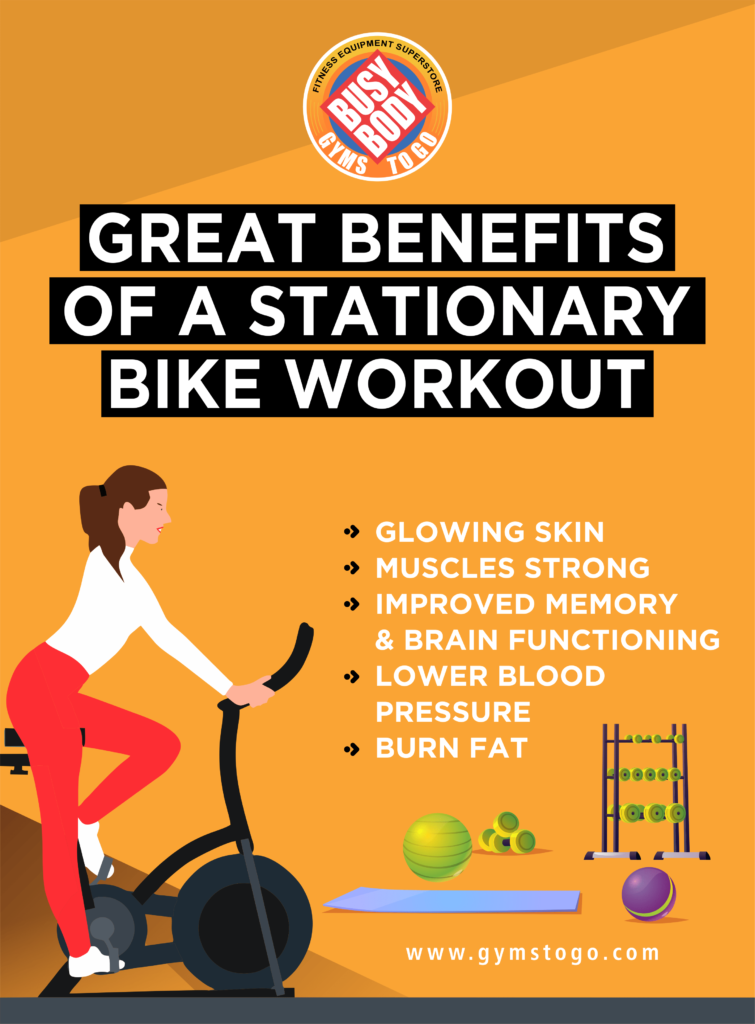
Regular cycling can improve cardiovascular health by increasing heart rate and blood flow. This can help lower blood pressure, improve circulation, and reduce the risk of heart disease.
Muscle Toning
Cycling also works multiple muscle groups, including your legs, glutes, and core. Regular use can help tone and strengthen these muscles, improving overall fitness and athletic performance.
Increased Mental Health Benefits
Cycling has been shown to have a positive impact on mental health, reducing stress and anxiety while releasing endorphins, also known as “feel-good” hormones. This can lead to improved mood and overall well-being.
Convenience and Accessibility
Using a cycle at home or in a fitness studio means you can work out whenever and wherever you want, without having to worry about traffic, parking, or finding time outside of your busy schedule.
The Drawbacks of Using a Cycle
Lack of Outdoor Experience
One of the main drawbacks of using a cycle is that you won’t get to experience the great outdoors while working out. This can be a major bummer for those who love nature or enjoy the feeling of being outside.
Potential for Boredom
Cycling can be repetitive and boring, especially if you’re doing it solo at home. Adding variety to your workout routine, such as listening to music or podcasts, can help keep things interesting.
Risk of Overexertion
Another potential drawback of using a cycle is the risk of overexertion. Without proper monitoring and control, it’s easy to get too caught up in your workout and push yourself too hard.
Posture and Comfort
Proper Posture
Using a cycle requires proper posture to avoid discomfort and injury. Sit up straight with your feet flat on the pedal platform and keep your knees slightly bent. Adjust the seat height and handlebars to fit your body, ensuring you’re comfortable and able to pedal efficiently.
Comfort Features
To enhance your cycling experience, consider investing in comfort features such as a breathable seat cover or cushioning system. These can help reduce pressure points and improve overall comfort while pedaling.
Accessories for Enhanced Cycling Experience
- Cushioning System: A good-quality cushioning system can make a big difference in reducing discomfort and improving your cycling experience.
- Breathable Seat Cover: A breathable seat cover can help keep you cool and dry during long workouts, reducing the risk of chafing and irritation.
- Heart Rate Monitoring: Adding heart rate monitoring to your cycle can provide real-time feedback on your exercise intensity and help you push yourself harder.
Tips for Improving Your Cycling Experience
- Start slow: Begin with short sessions and gradually increase duration and intensity as you become more comfortable.
- Mix it up: Add variety to your workout routine by incorporating different types of music, podcasts, or TV shows.
- Get comfortable: Make sure the cycle is adjusted to fit your body, and consider investing in comfort features like a breathable seat cover or cushioning system.
- Stay hydrated: Drink plenty of water before, during, and after your workout to stay hydrated and avoid dehydration.
By considering these pros and cons, you can decide if using a cycle is right for you. Whether you’re looking to improve cardiovascular health, tone your muscles, or simply get regular exercise, a cycle can be an excellent addition to your fitness routine.


