
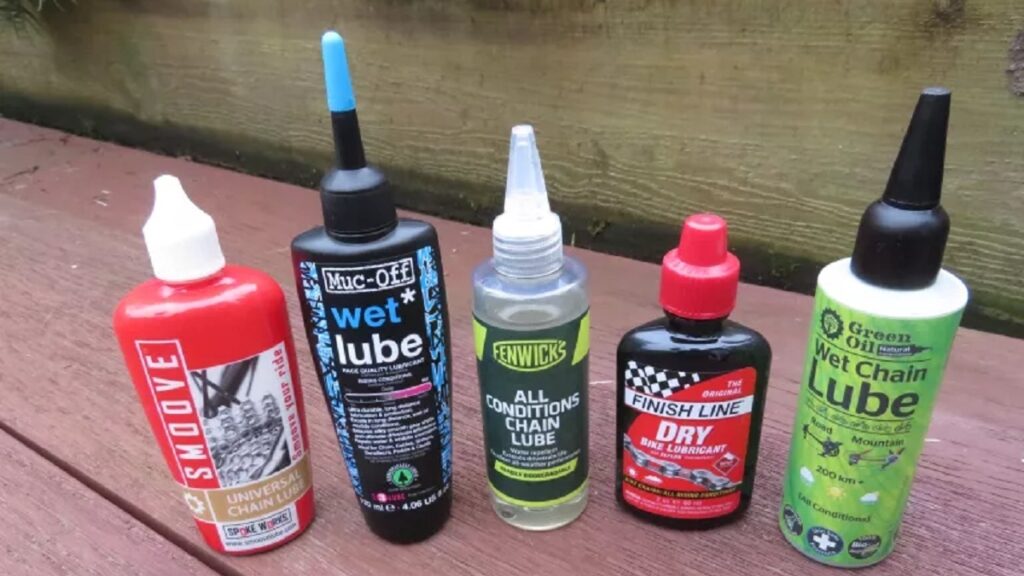
Understanding the Importance of Lubrication in Bicycles
As a cyclist, you know that regular maintenance is crucial to keep your bike running smoothly and prevent damage to its components. One of the most essential aspects of bike maintenance is lubrication. The right lubricant can make all the difference between a smooth ride and a rough one. In this article, we’ll explore the different types of bike lubricants, their benefits, and help you choose the best one for your needs.
What are the Components that Need Lubrication in Your Bike?
Before we dive into the world of lubricants, let’s identify the components that need lubrication in your bike. These include:
- Chain: The chain is the most critical component when it comes to lubrication. A well-lubricated chain will reduce friction and wear on the pins and rollers, ensuring smooth pedaling.
- Cogs and chainrings: The cogs and chainrings require lubrication to prevent corrosion and wear on the teeth.
- Derailleurs (front and rear): The derailleurs need lubrication to ensure smooth shifting and prevent wear on the pivots and bearings.
- Hubs and bearings: The hubs and bearings require lubrication to reduce friction and wear on the moving parts.
- Pedals and cleats: The pedals and cleats may require lubrication, especially if you’re using clipless pedals.
The Pros and Cons of Different Types of Bike Lubricants
There are several types of bike lubricants available, each with its pros and cons. Let’s explore them:
- Grease: Grease is a popular choice for cyclists because it provides excellent protection against corrosion and wear. However, it can be messy and attracts dirt, making it less suitable for dry conditions.
- Pros: Provides excellent protection against corrosion and wear
- Cons: Can be messy and attracts dirt
- Synthetic oil: Synthetic oils are designed to provide long-lasting lubrication and protect against corrosion. They’re ideal for riders who spend most of their time on the road in dry conditions.
- Pros: Provides long-lasting lubrication and protection against corrosion
- Cons: May not be suitable for wet conditions
- Silicone-based lubricants: Silicone-based lubricants offer excellent protection against water and dirt, making them perfect for riders who frequently ride in wet conditions.
- Pros: Provides excellent protection against water and dirt
- Cons: May not provide long-lasting lubrication
- Wax-based lubricants: Wax-based lubricants are designed to provide a barrier against corrosion and wear. They’re ideal for riders who spend most of their time on the road in wet conditions.
- Pros: Provides excellent protection against corrosion and wear
- Cons: May not be suitable for dry conditions
The Benefits of Using a High-Quality Bike Lubricant
Using a high-quality bike lubricant can provide several benefits, including:
- Reduced friction and wear on components
- Improved efficiency and performance
- Increased durability and lifespan
- Protection against corrosion and rust
- Easy cleaning and maintenance
How to Choose the Right Bike Lubricant for Your Ride
Choosing the right bike lubricant can be overwhelming, especially with so many options available. Here are some tips to help you make an informed decision:
- Consider your riding conditions: If you ride in dry conditions, a synthetic oil-based lubricant may be suitable. However, if you frequently ride in wet conditions, a silicone-based or wax-based lubricant is the way to go.
- Think about your bike’s components: Different components require different types of lubricants. For example, chainrings and cogs require a lighter lubricant than hubs and bearings.
- Read reviews and ask for recommendations: Research online reviews and ask fellow cyclists for recommendations on the best lubricants available.
- Check the viscosity: Make sure to choose a lubricant with the correct viscosity for your bike’s components.
The Best Bike Lubricants on the Market
Here are some top-rated bike lubricants that you may want to consider:
- XP Line Grasso al Litio: A high-quality, synthetic oil-based lubricant that provides excellent protection against corrosion and wear.
- Pros: Provides excellent protection against corrosion and wear
- Cons: May not be suitable for wet conditions
- Lubrificante catena bici C3 Dry Lube: A silicone-based lubricant that offers excellent protection against water and dirt.
- Pros: Provides excellent protection against water and dirt
- Cons: May not provide long-lasting lubrication
- Squirt Long Lasting Dry Lube: A wax-based lubricant that provides excellent protection against corrosion and wear.
- Pros: Provides excellent protection against corrosion and wear
- Cons: May not be suitable for dry conditions
Frequently Asked Questions (FAQs)
Here are some common questions that cyclists have about bike lubricants:
Q: What’s the best type of lubricant for a mountain bike?
A: For mountain bikes, we recommend using a synthetic oil-based lubricant or a silicone-based lubricant specifically designed for wet conditions.
Q: Can I use WD-40 as a bike lubricant?
A: No, WD-40 is not suitable for bike lubrication. It’s too thin and can attract dirt, causing damage to components.
Q: How often should I apply lubricant to my chain?
A: Apply lubricant to your chain every 100-200 miles or every 1-2 months, depending on your riding conditions.
Q: Can I use a car wax as a bike lubricant?
A: No, car wax is not suitable for bike lubrication. It’s too thick and can attract dirt, causing damage to components.
Conclusion
Choosing the right bike lubricant can be overwhelming, but with the right knowledge and guidance, you can make an informed decision that meets your needs. Remember to consider your riding conditions, bike components, and personal preferences when selecting a lubricant. By following these tips and using high-quality lubricants, you’ll be able to enjoy a smooth ride and extend the lifespan of your beloved bike.
Bonus FAQs
Q: Can I use a water-based lubricant on my chain?
A: No, water-based lubricants are not suitable for chains. They can attract dirt and cause damage over time.
Q: How do I know if my bike’s components need lubrication?
A: Check for signs of wear, such as creaking or grinding noises, and inspect your bike regularly to ensure all components are well-lubricated.
Q: Can I use a lubricant on my tires?
A: No, lubricants are not suitable for tire maintenance. Use tire sealant or inflator instead.
Q: How often should I clean my chain?
A: Clean your chain every 1-2 months to prevent dirt and grime from accumulating.
Q: What’s the difference between a dry lubricant and a wet lubricant?
A: Dry lubricants, such as silicone-based lubricants, are designed for dry conditions. Wet lubricants, such as oil-based lubricants, are designed for wet conditions.
Q: Can I use a lubricant on my gears?
A: Yes, most bike lubricants can be used on gears, but make sure to follow the manufacturer’s instructions and recommendations.


