
What is Legionella?
Legionella, also known as Legionnaires’ disease, is a bacterial infection caused by the Legionella pneumophila bacteria. It’s an aerobic bacterium that requires air to survive, making it difficult to detect and treat. There are 71 serotypes of Legionella, but not all are equally hazardous to humans.
The Most Perilous Specie: Legionella pneumophilia
Legionella pneumophila is the most dangerous species, capable of spreading through central air conditioning systems and water-based appliances like showers, irons, and irrigation systems. This bacterium can contaminate water sources with tiny pipes or channels, making it a significant risk in various settings.
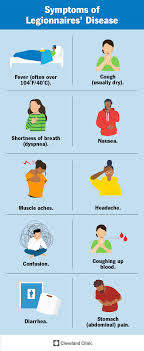
Symptoms of Legionnaires’ Disease
Identifying Legionnaires’ disease is not straightforward due to its similar symptoms with other respiratory illnesses. If you experience polmonite, fever, cough, headache, muscle pain, loss of appetite, diarrhea, kidney issues, or worsening existing lung diseases, consult your doctor. In some cases, people may also suffer from flu-like symptoms such as chills, fatigue, and body aches.
How is Legionnaires’ Disease Transmitted?
Legionnaires’ disease does not spread person-to-person but rather through inhalation of contaminated air or water vapor. Typically, the cause of infection can be determined by examining household appliances and water systems to identify potential sources.
In addition to households, areas with natural springs or hot springs, lakes, rivers, and fountains are also at risk of Legionnaires’ disease transmission. Regularly inspecting plumbing systems, irrigation systems, and water treatment facilities is crucial in preventing infection. Factors increasing the likelihood of contraction include being male, aging, heavy alcohol consumption, smoking cigarettes, and pre-existing respiratory issues.
Risk Groups
Certain groups of people are more susceptible to Legionnaires’ disease due to their compromised immune system or underlying health conditions. These risk groups include:
- Older adults (65 years or older)
- Young children
- People with weakened immune systems, such as those with HIV/AIDS, cancer, or undergoing chemotherapy
- People with chronic respiratory diseases, such as chronic obstructive pulmonary disease (COPD) or cystic fibrosis
Treatment and Prevention
Antibiotic treatments are generally effective for treating Legionnaires’ disease, but prevention is essential to avoid contracting the illness. Keeping plumbing systems clean, regularly cleaning air conditioning units, and avoiding excessive water usage are all effective measures to minimize risk.
Regular medical check-ups can also help identify potential risks and prevent complications. In some cases, supportive care may be necessary, such as oxygen therapy or fluids to manage dehydration.
In conclusion, understanding Legionnaires’ disease is crucial for preventing its spread and ensuring public health safety. By recognizing symptoms, following proper hygiene practices, and adhering to infection control protocols, we can mitigate the impact of this life-threatening bacterium.
Prevention Measures
Implementing prevention measures can significantly reduce the risk of contracting Legionnaires’ disease:
- Regularly inspect plumbing systems: Check for signs of bacterial contamination, such as rust or corrosion.
- Keep air conditioning units clean: Regularly clean and maintain air conditioning units to prevent bacterial growth.
- Avoid excessive water usage: Reduce water usage by installing low-flow showerheads and faucets.
- Use a water filter: Install a water filter that can remove Legionella bacteria from the water supply.
- Maintain water treatment facilities: Regularly inspect and maintain water treatment facilities to prevent bacterial contamination.
By following these prevention measures, you can significantly reduce your risk of contracting Legionnaires’ disease.
Treatment Guidelines
Treatment guidelines for Legionnaires’ disease vary depending on the severity of symptoms and underlying health conditions. Medical professionals may prescribe antibiotics to treat Legionnaires’ disease.
Antibiotic Treatment
Antibiotics are effective in treating Legionnaires’ disease, but they should only be used under medical guidance. Common antibiotics prescribed for Legionnaires’ disease include:
- Azithromycin: A macrolide antibiotic that can help reduce the severity and duration of symptoms.
- Ciprofloxacin: A fluoroquinolone antibiotic that can help treat pneumonia associated with Legionnaires’ disease.
Supportive Care
In addition to antibiotics, supportive care may be necessary to manage dehydration, respiratory issues, or other complications:
- Oxygen therapy: Oxygen therapy can help increase oxygen levels in the blood and reduce respiratory symptoms.
- Fluids: Administering fluids can help manage dehydration and support overall health.
Conclusion
Legionnaires’ disease is a life-threatening bacterial infection caused by Legionella pneumophila. Understanding its causes, symptoms, transmission, and treatment is crucial for preventing its spread and ensuring public health safety.
By recognizing symptoms, following proper hygiene practices, and adhering to infection control protocols, we can mitigate the impact of this bacterium. Prevention measures such as regularly inspecting plumbing systems, keeping air conditioning units clean, and avoiding excessive water usage can significantly reduce the risk of contracting Legionnaires’ disease.
In conclusion, understanding Legionnaires’ disease is crucial for preventing its spread and ensuring public health safety. By recognizing symptoms, following proper hygiene practices, and adhering to infection control protocols, we can mitigate the impact of this life-threatening bacterium.


