
Understanding the Importance of Glass Recycling
Glass recycling is a crucial practice that not only helps reduce waste but also conserves natural resources. The production of glass requires raw materials such as sand, soda, and limestone, which are abundant but expensive to transport. By recycling glass, we can significantly decrease the energy needed for production, resulting in a more sustainable future.
The Benefits of Recycling Glass
Recycling glass offers several benefits, including:
- Reduced energy consumption
- Lower greenhouse gas emissions
- Conservation of raw materials
- Creation of jobs and economic growth
However, despite these advantages, many people are unaware of the importance of proper glass recycling or how to do it correctly.
What Can Be Recycled?
Not all types of glass can be recycled. To ensure that your glass is recyclable, check the following:
- Bottles and jars made from clear or brown glass
- Windows and mirrors
- Fiberglass insulation
Avoid recycling materials like:
- Ceramics
- Crystal
- Pyrex
- Plexiglas
The Different Methods of Glass Recycling
There are two primary methods of glass recycling:
- Differenziated Collection: This involves collecting different types of glass in separate containers.
- Door-to-Door Collection: In this method, glass is collected from households through door-to-door collections.
However, door-to-door collection may not be feasible due to logistical constraints.
The Role of “Green Cans” in Glass Recycling
“Green cans,” also known as recycling bins or containers, play a vital role in the glass recycling process. These specialized containers are designed to hold different types of glass and can be easily emptied at recycling facilities.
What Happens to Recycled Glass?
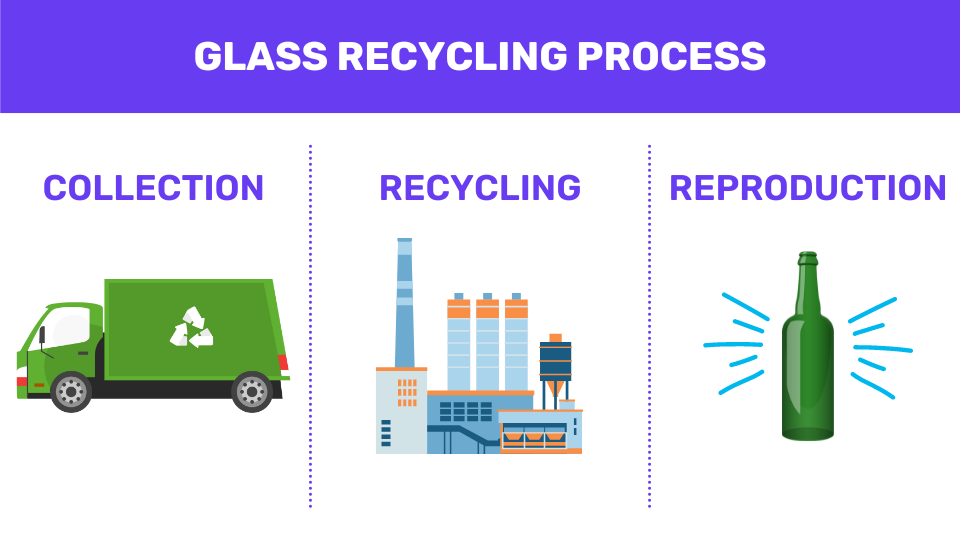
Once glass is collected and sorted, it undergoes a series of processes:
- Crushing: Glass is crushed into small pieces called “cullet.”
- Sorting: Cullet is sorted based on its color.
- Melting: Cullet is melted at high temperatures to form new glass.
The Impact of Glass Recycling
Glass recycling has a significant impact on the environment:
- Reduced waste
- Conservation of natural resources
- Decreased greenhouse gas emissions
However, despite these benefits, many people are unaware of how to properly recycle glass.
Challenges and Opportunities in Glass Recycling
While glass recycling is a crucial practice, there are challenges that need to be addressed:
- Lack of awareness about proper glass recycling methods
- Inadequate infrastructure for door-to-door collection
However, these challenges also present opportunities for growth and innovation:
- Development of new technologies for efficient glass recycling
- Creation of jobs and economic growth through the glass industry
Conclusion
Glass recycling is a vital practice that offers numerous benefits for the environment and economy. By understanding the importance of proper glass recycling methods and addressing challenges, we can create a more sustainable future.
Frequently Asked Questions (FAQs)


