
Introduction
The world is facing an environmental crisis, with waste management being one of the biggest challenges. However, there is a growing trend towards sustainable solutions that can make a significant impact. One such innovation is the integration of Machine-to-Machine (M2M) technology in waste management systems. In this article, we will explore how wireless technology and M2M can revolutionize the way we collect and recycle waste.
The Problem with Traditional Waste Management
Traditional waste management methods often rely on manual collection, which is not only time-consuming but also prone to errors. Moreover, these methods contribute to greenhouse gas emissions and have a negative impact on the environment. As the world grapples with climate change, it’s essential to find sustainable solutions that reduce waste and promote eco-friendly practices.
The Solution: Compactors and Collectors Made Sustainable
Compactors and collectors of waste can now be powered by renewable energy sources, such as solar power. This is a game-changer for the environment, as it reduces the carbon footprint associated with traditional waste management methods. BigBelly Solar, a company that created the first patented compactors running on solar power, has become a leader in providing sustainable solutions for waste management and recycling.
The Power of M2M Technology
M2M technology allows machines to communicate with each other and with humans, enabling more efficient and effective waste management systems. One of the key innovations is the use of new modules from Telit, which provide increased connectivity. This means that waste management companies can now track their operations in real-time, monitor usage patterns, and receive alerts for maintenance needs.
Increased Efficiency and Reduced Costs
The integration of M2M technology has led to significant reductions in operational costs. In fact, BigBelly Solar reports an 80% decrease in operational costs due to the increased efficiency of its systems. This is made possible by the advanced software for network management, centralized command centers, and intelligent smasher stations.
Benefits of M2M Technology in Waste Management
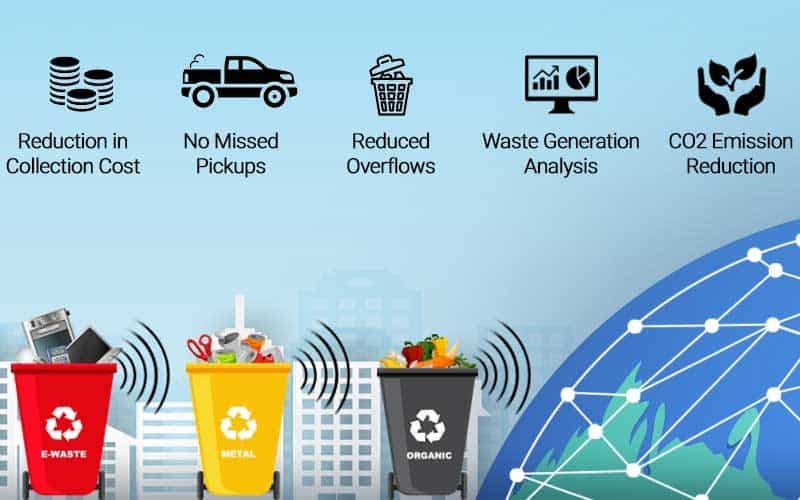
The use of M2M technology in waste management offers numerous benefits, including:
- Increased efficiency: Automated systems can collect waste more efficiently, reducing labor costs and increasing productivity.
- Improved accuracy: Real-time monitoring allows for precise tracking of waste collection and disposal.
- Enhanced customer service: Intelligent machines can provide alerts and updates to customers about their waste collection schedules.
- Reduced costs: Advanced software and network management systems minimize energy consumption and reduce maintenance needs.
A Sustainable Future
The integration of M2M technology in waste management is a step towards creating a more sustainable future. By reducing greenhouse gas emissions, conserving resources, and promoting eco-friendly practices, we can make a positive impact on the environment. The use of wireless technology and M2M innovation offers a promising solution to the challenges facing our world.
Conclusion
In conclusion, the integration of M2M technology in waste management systems is revolutionizing the way we collect and recycle waste. With its numerous benefits, including increased efficiency, improved accuracy, enhanced customer service, and reduced costs, this innovative approach is set to transform the waste management industry. As we move towards a more sustainable future, it’s essential to explore new technologies that can make a positive impact on our planet.
Frequently Asked Questions (FAQs)
-
What is M2M technology?
M2M stands for Machine-to-Machine, which refers to the communication between machines and other devices.
* How does M2M technology work in waste management?M2M technology enables machines to communicate with each other and with humans, allowing for more efficient and effective waste collection and disposal processes.
* What benefits does M2M technology offer in waste management?The use of M2M technology offers numerous benefits, including increased efficiency, improved accuracy, enhanced customer service, and reduced costs.
* How can I implement M2M technology in my waste management system?You can start by assessing your current infrastructure and identifying areas where M2M technology can be integrated to improve efficiency and reduce costs.
* What are the advantages of using solar-powered compactors?Solar-powered compactors offer a renewable energy source, reducing greenhouse gas emissions and minimizing environmental impact.
* Can I use M2M technology in other industries besides waste management?Yes, M2M technology has applications in various industries, including manufacturing, logistics, and healthcare.
Real-World Examples of M2M Technology in Waste Management
There are several real-world examples of how M2M technology is being used to improve waste management systems. Some notable examples include:
- BigBelly Solar: BigBelly Solar has developed a range of solar-powered compactors that can collect and sort recyclables more efficiently than traditional methods.
- Telit: Telit has created a network of wireless sensors that can track waste collection and disposal in real-time, providing valuable insights for waste management companies.
- Waste Management Inc.: Waste Management Inc. has implemented M2M technology in its recycling facilities to improve efficiency and reduce costs.
Challenges and Limitations
While the integration of M2M technology in waste management systems offers numerous benefits, there are also challenges and limitations that need to be addressed. Some of these challenges include:
- Initial Investment: The initial investment required to implement M2M technology can be significant, making it challenging for small-scale waste management companies to adopt.
- Data Security: The use of wireless sensors and IoT devices in waste management systems raises concerns about data security and privacy.
- Regulatory Frameworks: There is a need for regulatory frameworks that support the adoption of M2M technology in waste management systems.
Future Directions
As we move forward, there are several future directions that hold promise for the integration of M2M technology in waste management systems. Some of these directions include:
- Integration with Other Technologies: The integration of M2M technology with other technologies, such as artificial intelligence and machine learning, can enhance its capabilities and improve efficiency.
- Expansion to New Markets: The use of M2M technology in waste management can be expanded to new markets, including developing countries where access to traditional waste management services is limited.
- Development of New Business Models: The integration of M2M technology in waste management can lead to the development of new business models that prioritize sustainability and environmental responsibility.
Conclusion
In conclusion, the integration of M2M technology in waste management systems offers a promising solution to the challenges facing our world. By reducing greenhouse gas emissions, conserving resources, and promoting eco-friendly practices, we can make a positive impact on the environment. As we move towards a more sustainable future, it’s essential to explore new technologies that can make a positive impact on our planet.


