
As we strive to create a healthier living environment, many of us have discovered the numerous benefits of houseplants. Not only do they add a touch of greenery to our homes, but they also play a crucial role in purifying the air and reducing indoor pollution. In this article, we’ll delve into the world of houseplants that can effectively combat indoor pollutants and explore which ones are best suited for your home.
Understanding Indoor Pollution
Before we dive into the world of beneficial plants, it’s essential to understand where indoor pollution comes from. Pollutants like formaldehyde, benzene, and trichloroethylene are commonly found in household products, such as furniture, cleaning supplies, and cooking utensils. These chemicals can cause a range of health issues, including respiratory problems and cancer.
The Impact of Indoor Pollution on Our Health
Indoor pollution is often referred to as the “silent killer” because it can have devastating effects on our health. Exposure to these pollutants has been linked to various health issues, including:
- Respiratory problems: Asthma, bronchitis, and other respiratory conditions can be exacerbated by indoor pollution.
- Cancer: Long-term exposure to certain pollutants has been linked to an increased risk of cancer.
- Neurological damage: Some pollutants, such as formaldehyde, have been shown to cause neurological damage and affect cognitive function.
Choosing the Right Plants
Fortunately, there are many plants that have the ability to absorb and neutralize these pollutants. Some of the most effective plants include:
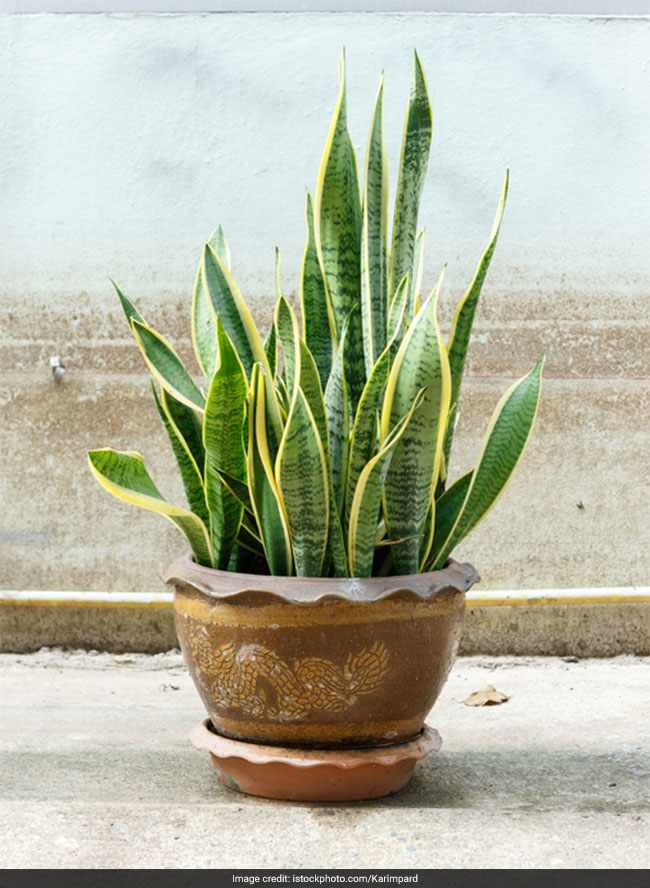
- Snake Plant (Sansevieria Trifasciata): This plant is known for its ability to purify the air by removing formaldehyde and benzene.
- Peace Lily (Spathiphyllum wallisii): The peace lily is a natural air purifier that can remove trichloroethylene, formaldehyde, and benzene from the air.
- Dracaena (Dracaena spp.): With over 40 species, Dracaena is one of the most popular houseplants. It’s known to remove benzene, formaldehyde, and trichloroethylene from the air.
- Spider Plant (Chlorophytum comosum): This plant is easy to care for and can help remove formaldehyde and xylene from the air.
Other Effective Plants
In addition to these popular plants, there are several others that have been shown to be effective at removing indoor pollutants. These include:
- English Ivy (Hedera helix)
- Philodendron (Philodendron spp.)
- Boston Fern (Nephrolepis exaltata)
Tips for Effective Plant Care
While these plants are incredibly beneficial, they still require proper care to thrive. Here are a few tips to keep in mind:
- Lighting: Most houseplants prefer bright, indirect light. However, some plants like the snake plant can tolerate low light conditions.
- Watering: Overwatering is one of the most common mistakes people make when caring for houseplants. Make sure to check the soil moisture before watering.
- Humidity: Many houseplants prefer a humid environment, but some can adapt to dry air.
Conclusion
Houseplants are an easy and effective way to improve indoor air quality. By choosing the right plants and following proper care tips, you can create a healthier living space for yourself and your loved ones.
Frequently Asked Questions
Q: How often should I water my houseplants?
A: Check the soil moisture before watering. If the soil feels dry, it’s time to water.
Q: Can I leave my houseplant in direct sunlight?
A: While some plants can tolerate direct sunlight, many prefer bright, indirect light. Be sure to research the specific lighting needs of your plant.
Q: How long does it take for a houseplant to purify the air?
A: The effectiveness of a houseplant at removing pollutants depends on several factors, including the type of plant and its individual health. However, with proper care, some plants can begin to purify the air within weeks.
Q: Can I use my houseplant as a natural air filter for my entire home?
A: While houseplants are incredibly beneficial, they are not designed to remove all pollutants from an entire home. Consider using a combination of plants and other air purification methods for optimal results.
Q: Are there any plants that can remove specific pollutants?
A: Yes, some plants are specifically designed to remove certain pollutants. For example, the snake plant is known for its ability to remove formaldehyde and benzene.
A: Absolutely! Propagating a houseplant is a great way to share the benefits of these incredible plants.
Q: How often should I fertilize my houseplant?
A: Most houseplants require fertilization once a month. However, be sure to research the specific fertilization needs of your plant to avoid over-fertilizing.
Q: Can I use my houseplant as a natural air purifier for people with allergies or respiratory issues?
A: While houseplants are incredibly beneficial, they may not be enough to alleviate severe allergy or respiratory issues. Consider consulting with a healthcare professional for personalized advice.
By incorporating these incredible plants into your home and following proper care tips, you can create a healthier living space for yourself and your loved ones.


