
Introduction
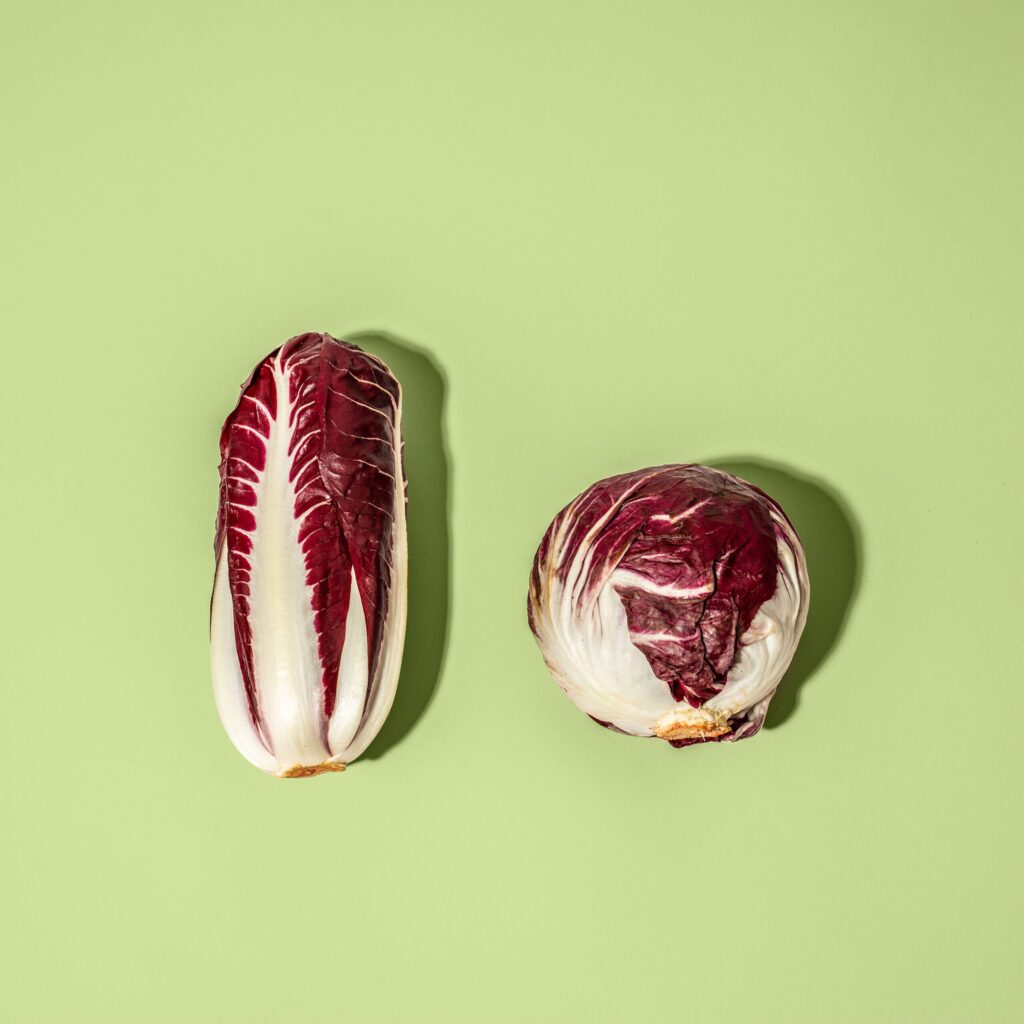
Radicchio di Chioggia, also known as chicory variegated, is a type of leafy green vegetable that has gained popularity worldwide for its unique flavor and nutritional benefits. Native to the Veneto region in Italy, this variety of radicchio has been cultivated since the 15th century and is now grown in many parts of Europe and beyond. In this article, we will delve into the world of Radicchio di Chioggia, exploring its history, varieties, cultivation, and care requirements.
History of Radicchio di Chioggia
The history of Radicchio di Chioggia dates back to the 15th century, when it was first cultivated in the Veneto region of Italy. The vegetable was highly prized for its unique flavor and nutritional benefits, making it a staple crop in many Italian gardens. Over time, Radicchio di Chioggia spread throughout Europe, becoming a popular ingredient in many cuisines.
In Belgium, botanist Francesco Van den Borre developed a variety of radicchio rosso (red radicchio) that is similar to the Radicchio di Chioggia we know today. Today, Radicchio di Chioggia is grown in many parts of Europe and is considered one of the most prized varieties.
Cultivation of Radicchio di Chioggia
Radicchio di Chioggia is a versatile crop that can thrive in various conditions, making it an ideal choice for gardeners of all levels. The vegetable prefers well-draining soil and full sun to partial shade. In areas with cold winters, it’s best to choose a variety that is resistant to frost.
There are two main types of Radicchio di Chioggia: early maturing (precoce) and late-maturing (tardiva). Early-maturing varieties can be sown in late winter or early spring, while late-maturing varieties can be sown in late summer or early fall.
Choosing the Right Variety
When selecting a variety of Radicchio di Chioggia, it’s essential to choose one that is suitable for your climate and soil type. Here are some factors to consider:
- Climate: If you live in an area with cold winters, look for varieties that are resistant to frost.
- Soil Type: Radicchio di Chioggia prefers well-draining soil, so ensure your garden has good drainage.
- Growth Habit: Choose a variety that suits your desired growth habit, such as loose-leaf or compact.
Sowing and Planting Radicchio di Chioggia
To sow Radicchio di Chioggia, follow these steps:
- Prepare the soil: Loosen the soil to a depth of about 30 cm (12 inches) using a garden fork or spade.
- Sow seeds: Spread the seeds evenly over the prepared soil and cover them with a thin layer of compost or manure.
- Water thoroughly: Water the soil gently but thoroughly after sowing.
Caring for Radicchio di Chioggia
Once you have sown your Radicchio di Chioggia, it’s time to care for it. Here are some tips:
- Watering: Keep the soil consistently moist during the first few weeks after sowing.
- Pruning: Regularly prune the plants to encourage bushy growth and prevent flowering.
- Pest control: Watch out for pests like aphids, slugs, and snails.
Harvesting Radicchio di Chioggia
Radicchio di Chioggia is ready to harvest when the leaves are fully grown and have reached their desired size. Here’s how to harvest:
- Check for readiness: Regularly inspect your plants for signs of maturity.
- Harvest: Use scissors or pinch off individual leaves to avoid damaging the plant.
Conclusion
Radicchio di Chioggia is a delicious and nutritious vegetable that can be grown in many parts of Europe. By following these guidelines, you’ll be able to cultivate this versatile crop and enjoy its unique flavor and benefits. Happy gardening!
Frequently Asked Questions
- What is Radicchio di Chioggia?
- Radicchio di Chioggia is a type of leafy green vegetable that is native to the Veneto region in Italy.
- How do I care for Radicchio di Chioggia?
- To care for Radicchio di Chioggia, ensure it receives full sun to partial shade and well-draining soil. Regularly prune the plants to encourage bushy growth and prevent flowering.
- When is Radicchio di Chioggia ready to harvest?
- Radicchio di Chioggia is ready to harvest when the leaves are fully grown and have reached their desired size.
- Can I grow Radicchio di Chioggia in cold climates?
- Yes, there are varieties of Radicchio di Chioggia that are resistant to frost. Look for these varieties if you live in an area with cold winters.
- How do I choose the right variety of Radicchio di Chioggia?
- When selecting a variety, consider your climate and soil type. Choose a variety that suits your desired growth habit and is suitable for your local conditions.
Varieties of Radicchio di Chioggia
There are several varieties of Radicchio di Chioggia available in the market today. Here are some popular ones:
- Radicchio di Chioggia: This is a classic variety that is known for its unique flavor and nutritional benefits.
- Chicory Variegata: This variety has a beautiful variegated pattern on its leaves, making it a popular choice among gardeners.
Culinary Uses of Radicchio di Chioggia
Radicchio di Chioggia can be used in various culinary dishes. Here are some popular ways to use this versatile vegetable:
- Salads: Radicchio di Chioggia is a great addition to salads, adding a burst of flavor and nutrients.
- Stir-fries: This vegetable can also be added to stir-fries, providing a delicious and nutritious twist to your meals.
Nutritional Benefits of Radicchio di Chioggia
Radicchio di Chioggia is packed with nutritional benefits. Here are some of its key advantages:
- Rich in Vitamins: Radicchio di Chioggia is rich in vitamins A, C, and K.
- High in Fiber: This vegetable is a good source of dietary fiber.
- Antioxidant Properties: Radicchio di Chioggia has antioxidant properties that can help protect against chronic diseases.
Conclusion
Radicchio di Chioggia is a delicious and nutritious vegetable that can be grown in many parts of Europe. By following these guidelines, you’ll be able to cultivate this versatile crop and enjoy its unique flavor and benefits. Happy gardening!


