
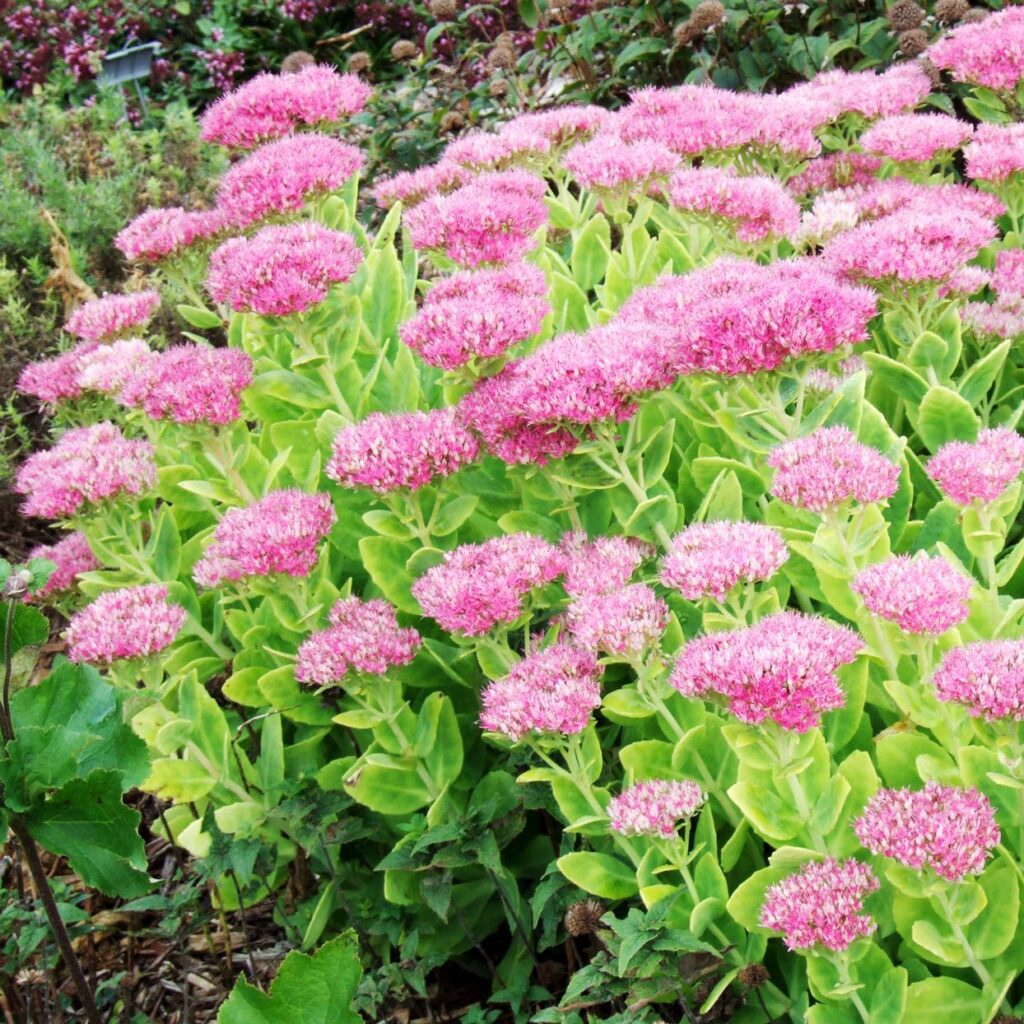
As autumn sets in and winter approaches, many of us worry about protecting our beloved houseplants from the harsh frost. While some plants are more resilient than others, there are several varieties that can thrive even in freezing conditions. In this article, we’ll explore some of the best winter-resistant plants that can add beauty and life to your home during the colder months.
What are the Plants that Resist Cold?
Before we dive into our selection of winter-resistant plants, let’s first understand what makes them so special. These plants have evolved to withstand cold temperatures, often by developing unique adaptations such as thick waxy leaves, insulating bark, or dormant periods. Some plants may also produce antifreeze proteins or other chemicals that help protect them from freezing damage.
In this article, we’ll focus on plants that can tolerate frost and freezing temperatures, rather than those that simply prefer cooler climates. By choosing the right winter-resistant plants for your home, you can enjoy their beauty and benefits even in the midst of winter.
1. Christmas White Rose
The Christmas White Rose is a flowering plant that loves cold weather. Its delicate white blooms can be seen from January to March, even in temperatures as low as -18°C. This rose variety is perfect for adding a touch of elegance to your home during the winter season.
One of the reasons why Christmas White Roses are so resilient is their ability to produce anthocyanins, which are powerful antioxidants that help protect them from cold damage. They also have thick, waxy leaves that prevent water loss and frost damage.
[Image: Christmas White Rose]
2. Tulip Tree
If you have a large garden, consider planting a Tulip Tree. These trees are known for their vibrant flowers and ability to thrive in cold temperatures. While they can grow quite tall, there are also compact varieties that make them ideal for smaller spaces.
Tulip Trees have a unique adaptation called “cold hardiness,” which allows them to survive frost and freezing temperatures. They do this by producing specialized proteins that help protect their cells from damage caused by ice crystals.
[Image: Tulip Tree]
3. Chinese Fan Palm
The Chinese Fan Palm is an elegant plant that tolerates cold temperatures well. Its distinctive fan-shaped leaves add a touch of tropical flair to any room, and its ability to survive frost makes it a great choice for outdoor planting in colder climates.
Chinese Fan Palms have a thick, waxy coating on their leaves that helps prevent water loss and frost damage. They also have a unique ability called “cold acclimation,” which allows them to adjust to changing temperatures and reduce stress caused by cold weather.
[Image: Chinese Fan Palm]
4. Camellia Japonica
This evergreen shrub is known for its stunning flowers, which bloom from March to April. It prefers well-draining acidic soil and consistent moisture, making it an ideal choice for gardeners who want to add some color to their outdoor space during the winter months.
Camellias have a unique adaptation called “cold dormancy,” which allows them to survive frost and freezing temperatures by reducing their metabolic activity. This helps conserve energy and protect them from cold damage.
[Image: Camellia Japonica]
5. Colorado Blue Spruce
The Colorado Blue Spruce is a popular evergreen tree that can withstand extremely cold temperatures. Its compact growth habit makes it perfect for smaller gardens or balconies, and its silvery-blue foliage adds a touch of sophistication to any room.
Colorado Blue Spruces have a thick, insulating bark that helps protect them from frost damage. They also have a unique ability called “cold tolerance,” which allows them to survive temperatures as low as -40°C.
[Image: Colorado Blue Spruce]
6. Winter Protection Options
While these plants are incredibly resilient, they still need some protection during the harshest winter months. Consider investing in winter protection options like plant covers or frost blankets to keep your plants safe and thriving.
Some popular options include:
- Plant Covers: These breathable covers allow for airflow while keeping frost out.
- Frost Blankets: Lightweight and easy to use, these blankets can be applied directly to the soil to protect roots from freezing temperatures.
- Tessuto Anti-erbacce Pacciamatura: This product creates an insulating layer around the plant’s root system, preventing water loss and frost damage.
How to Choose the Right Winter-Resilient Plant for Your Home
With so many winter-resistant plants to choose from, it can be overwhelming to decide which ones are right for your home. Here are a few tips to help you make the right choice:
- Consider your climate: If you live in an area with extremely cold temperatures, you may want to focus on plants that can tolerate frost and freezing temperatures.
- Think about the amount of sunlight your plant will receive: Some winter-resistant plants require more sunlight than others, so make sure you choose a variety that can thrive in the light conditions available in your home.
- Consider the size of your plant: Compact varieties are perfect for smaller spaces or balconies, while larger trees may be better suited to gardeners with more space.
Frequently Asked Questions
Here are some common questions we receive about winter-resistant plants:
- Q: What is the best way to protect my houseplants from frost?
A: Invest in plant covers or frost blankets to keep your plants safe and thriving. - Q: Can I grow Christmas White Roses indoors?
A: Yes, but they require bright light and cooler temperatures to thrive. - Q: How often should I water my Chinese Fan Palm during winter?
A: Water sparingly, as the plant goes dormant during the colder months. - Q: Can I use Tessuto Anti-erbacce Pacciamatura on all plants?
A: No, this product is specifically designed for root protection and may not be suitable for all plants.
Conclusion
Winter-resistant plants are a great way to add some color and life to your home during the colder months. By choosing the right variety of plant for your climate, sunlight conditions, and space constraints, you can enjoy their beauty and benefits even in the midst of winter.
Remember to invest in winter protection options like plant covers or frost blankets to keep your plants safe and thriving. With these tips and tricks, you’ll be able to grow a stunning collection of winter-resistant plants that will brighten up your home all year round.


