
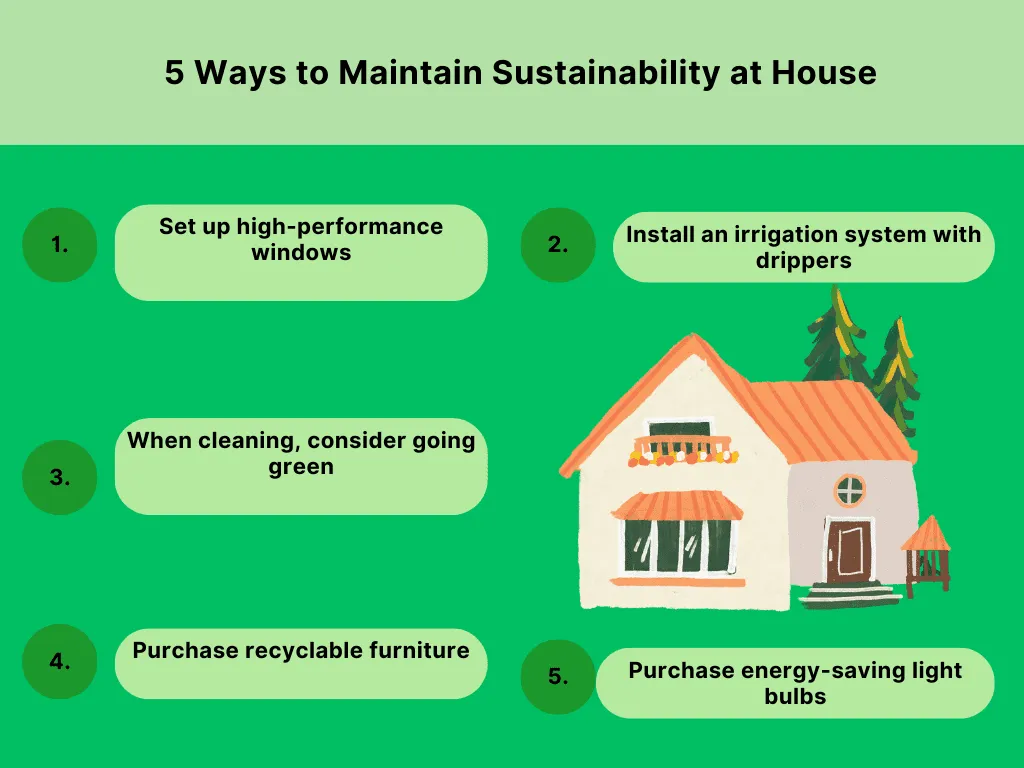
As we strive for a more sustainable future, one of the most effective ways to reduce our environmental footprint is by adopting eco-friendly home management practices. By making simple changes to our daily habits and choosing the right cleaning products, we can significantly improve our health, wellbeing, and the planet.
Understanding Eco-Friendly Home Management
Eco-friendly home management encompasses a wide range of practices that work together to create a healthier, more sustainable living environment. This includes selecting energy-efficient appliances, adopting simple behavioral habits, and using natural cleaning products. By embracing these practices, we can reduce our reliance on non-renewable resources, lower our carbon emissions, and promote a healthier indoor air quality.
The Importance of Energy-Efficient Appliances
One of the most significant benefits of eco-friendly home management is the reduction in energy consumption. By choosing energy-efficient appliances, such as those with low power consumption ratings, we can significantly reduce our carbon footprint. For example, using a front-loading washing machine instead of a top-loading one can save up to 40% on energy bills. Additionally, installing energy-efficient light bulbs, such as LEDs or CFLs, can also make a significant impact.
Simplifying Your Cleaning Habits
Another key aspect of eco-friendly home management is simplifying your cleaning habits. By making small changes to your daily routine, such as using less detergent or switching to natural cleaning products, we can significantly reduce our environmental impact. For instance, using a washing machine with a built-in timer and adjusting the temperature settings can help conserve water and energy.
The Benefits of Natural Cleaning Products
Natural cleaning products offer a healthier alternative to traditional detergents, which often contain harsh chemicals that can harm our skin, respiratory systems, and the environment. By choosing natural cleaning products, we can avoid exposure to these toxins and create a safer living space for ourselves and our families. Additionally, many eco-friendly cleaning products are biodegradable and non-toxic, making them a more sustainable choice.
Reducing Energy Consumption with Smart Washing Machine Settings
When it comes to washing machines, there are several settings you can adjust to reduce energy consumption. For example, using the “energy save” mode or adjusting the temperature setting from hot to cold can significantly reduce energy consumption. Additionally, using a washing machine during off-peak hours can help reduce strain on the grid.
The Power of Aerating Your Laundry Room
Aerating your laundry room is another simple yet effective way to improve ventilation and reduce energy consumption. By opening windows or using an exhaust fan, we can remove stale air and allow fresh air to circulate, reducing the risk of moisture buildup and improving overall health.
The Benefits of Steam Ironing
Steam ironing offers a healthier alternative to traditional ironing methods, which often involve toxic fumes and chemicals. By using a steam iron with a built-in water tank, we can avoid these risks while achieving crisp, smooth clothing. Additionally, steam irons are also more energy-efficient than traditional irons, as they use less heat and energy to achieve the same results.
Making the Switch to Eco-Friendly Cleaning Products
One of the most effective ways to reduce our environmental impact is by switching to eco-friendly cleaning products. By choosing natural ingredients and avoiding harsh chemicals, we can create a safer living space for ourselves and our families. Additionally, many eco-friendly cleaning products are biodegradable and non-toxic.
Conclusion
Eco-friendly home management offers numerous benefits for our health, wellbeing, and the planet. By adopting simple practices such as using energy-efficient appliances, simplifying our cleaning habits, and choosing natural cleaning products, we can create a healthier, more sustainable living environment. Remember, every small change counts, and by working together, we can make a significant impact on reducing our environmental footprint.
Frequently Asked Questions
Q: What is the most effective way to reduce energy consumption in my home?
A: By adopting simple practices such as using energy-efficient appliances and adjusting your washing machine settings to “energy save” mode.
Q: How can I simplify my cleaning habits without sacrificing effectiveness?
A: By making small changes to your daily routine, such as using less detergent or switching to natural cleaning products.
Q: What are the benefits of steam ironing compared to traditional ironing methods?
A: Steam ironing offers a healthier alternative to traditional ironing methods by avoiding toxic fumes and chemicals.
Q: How can I reduce my environmental impact by choosing eco-friendly cleaning products?
A: By choosing natural ingredients, avoiding harsh chemicals, and opting for biodegradable and non-toxic products.
Q: What is the most effective way to aerate my laundry room and improve ventilation?
A: By opening windows or using an exhaust fan to remove stale air and allow fresh air to circulate.
Q: How can I reduce energy consumption when doing laundry?
A: By adjusting your washing machine settings to “energy save” mode, using cold water, and avoiding overloading the machine.
Q: What are some simple changes I can make to my daily routine to simplify my cleaning habits?
A: Making small changes such as using less detergent, switching to natural cleaning products, and aerating your laundry room can significantly reduce your environmental impact.
Q: How can I choose eco-friendly cleaning products that meet my needs and budget?
A: By researching different brands, reading labels carefully, and opting for affordable options that meet your requirements.
Additional Tips for Eco-Friendly Home Management
- Use a water filter: Using a water filter can help reduce plastic waste and improve the taste of your drinking water.
- Reduce paper usage: Reducing paper usage by switching to digital documents, bills, and receipts can significantly reduce deforestation and conserve natural resources.
- Upcycle and repurpose: Upcycling and repurposing household items can reduce waste and encourage creativity.
- Buy in bulk: Buying in bulk can help reduce packaging waste and save money on household supplies.
- Compost food waste: Composting food waste can help reduce greenhouse gas emissions and create nutrient-rich soil for your garden.
Creating a Sustainable Home
Creating a sustainable home requires a commitment to reducing our environmental impact. By adopting eco-friendly practices such as using energy-efficient appliances, simplifying cleaning habits, and choosing natural cleaning products, we can create a healthier, more sustainable living environment. Additionally, incorporating sustainable materials into our homes, such as bamboo flooring or recycled glass countertops, can also make a significant impact.
Conclusion
Eco-friendly home management is a simple yet effective way to reduce our environmental footprint and promote a healthier indoor air quality. By adopting simple practices such as using energy-efficient appliances, simplifying cleaning habits, and choosing natural cleaning products, we can create a more sustainable living environment. Remember, every small change counts, and by working together, we can make a significant impact on reducing our environmental footprint.


