
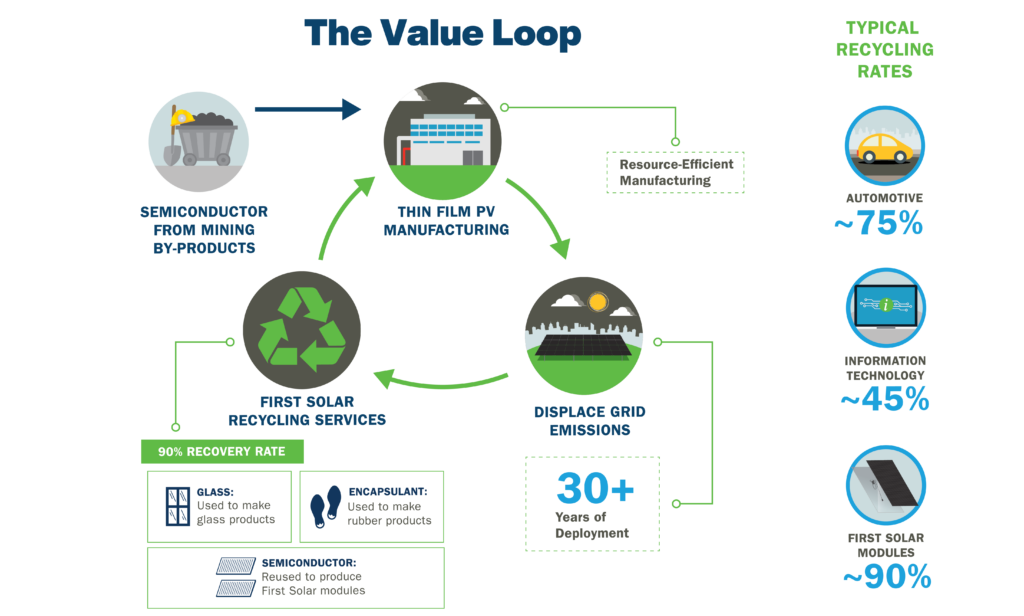
As the world shifts towards renewable energy sources, the need to properly dispose of solar panels has become a pressing concern. In this article, we will delve into the topic of solar panel disposal, exploring the current regulations, costs, and challenges associated with it.
Understanding Solar Panel Disposal
Solar panels are not designed to last forever. After approximately 30 years of operation, they must be dismantled and disposed of properly. The disposal process is crucial, as improper handling can lead to environmental harm and health risks. Solar panel disposal also affects the environment in a broader sense by reducing the amount of toxic materials released into landfills.
Regulations and Guidelines
In Italy, the regulation for solar panel disposal is governed by the Italian Government’s General Energy Safety Authority (GSE). To ensure proper disposal, homeowners must contact a designated consorium that has joined the “System of Solar Panel Disposal” program. This program aims to promote sustainable waste management practices.
Benefits and Incentives
The GSE offers incentives for homeowners who properly dispose of their solar panels. If you have benefited from the Conto Energia (Energy Subsidy) program, you can receive a quota economy as proof of responsible disposal. The GSE will then reimburse this amount within six months after proper disposal.
Exemptions and Special Cases
Not all solar panel systems are created equal. Systems that entered production after July 12, 2014, with a power output below 10 kWp (kilowatts peak) are exempt from the mandatory disposal process. However, if you still need to dispose of your system due to damage or decay, please follow the proper procedures.
Solar Panel Disposal and Recycling
The recycling process for solar panels is an emerging field of research. Researchers aim to develop efficient methods for extracting valuable materials from waste solar panels. Currently, some companies employ reprocessing technologies that involve using fluidized bed reactors to extract silicon from waste modules.
Benefits of Solar Panel Recycling
While current recycling processes are limited, researchers believe they hold great potential for sustainable waste management. By recovering the materials used in solar panel construction, we can significantly reduce electronic waste and minimize environmental impacts.
Challenges and Future Directions
Despite advancements in recycling technologies, significant challenges persist. Ensuring efficient material recovery, recovering high-quality components, and minimizing costs are ongoing priorities. To overcome these hurdles, researchers must focus on developing new technologies and refining existing processes.
Economic Aspects of Solar Panel Disposal
The cost of solar panel disposal can be substantial, with prices ranging from $100 to over $500 per ton, depending on the location and type of panels. However, the costs associated with improper disposal are often much higher, as it can lead to environmental damage and health risks.
Environmental Impacts of Improper Solar Panel Disposal
Improper disposal of solar panels can have severe environmental impacts. Toxic chemicals released during the dismantling process can contaminate soil and water sources, harming local ecosystems. Furthermore, the improper disposal of solar panels contributes to electronic waste, which poses significant environmental challenges.
Social Aspects of Solar Panel Disposal
The social aspects of solar panel disposal are equally important. Homeowners must be educated about the proper procedures for disposing of their solar panels, as well as the benefits and incentives associated with responsible disposal practices. Governments must also implement policies that encourage sustainable waste management practices.
Conclusion
Optimizing solar panel disposal is a critical step towards sustainable energy production. Understanding the current regulations, identifying benefits and incentives, and embracing recycling efforts will help us navigate this complex issue. By working together, we can ensure responsible waste management practices that benefit both our environment and communities.
Frequently Asked Questions (FAQs)
- What is the deadline for disposing of solar panels in Italy?
The deadline varies depending on the system’s age and production date. Generally, systems entered into production before July 12, 2014, must be disposed of by a specific date.
- Can I dispose of my solar panel system myself?
No, it is not recommended to handle solar panels yourself. Improper disposal can lead to environmental harm and health risks. Contact a designated consorium for guidance on proper disposal procedures.
- What incentives are available for disposing of solar panels in Italy?
Homeowners who properly dispose of their solar panels may receive a quota economy from the GSE as proof of responsible disposal.
- Can I recycle my old solar panel system?
While recycling technologies have improved, they are not yet widespread or cost-effective for individual homeowners. However, researchers continue to develop more efficient methods for extracting valuable materials from waste solar panels.
- What are the environmental impacts associated with improper solar panel disposal?
Improper disposal can lead to toxic chemicals being released into the environment, contaminating soil and water sources, and harming local ecosystems.
- How can I ensure responsible disposal of my solar panel system?
Contact a designated consorium for guidance on proper disposal procedures, follow local regulations, and take steps to minimize waste generation throughout the product lifecycle.
- Are there any tax benefits associated with disposing of solar panels in Italy?
While specific incentives vary depending on individual circumstances, homeowners may be eligible for reduced taxes or other benefits for properly disposing of their solar panel system.
- How can I learn more about solar panel disposal regulations and guidelines?
Visit the GSE website or consult with a designated consorium to obtain accurate information on proper disposal procedures and local regulations.
Conclusion Summary
Solar panel disposal is a complex issue that affects both our environment and communities. By understanding current regulations, identifying benefits and incentives, and embracing recycling efforts, we can ensure responsible waste management practices. The economic, environmental, and social aspects of solar panel disposal must be considered to create a sustainable future for renewable energy production.
Recommendations
Homeowners should:
- Contact a designated consorium for guidance on proper disposal procedures.
- Follow local regulations and guidelines.
- Take steps to minimize waste generation throughout the product lifecycle.
Governments should:
- Implement policies that encourage sustainable waste management practices.
- Provide incentives for responsible solar panel disposal practices.
- Educate homeowners about proper disposal procedures and benefits associated with responsible disposal practices.
Researchers should:
- Focus on developing new technologies and refining existing processes to improve recycling efficiency.
- Develop more efficient methods for extracting valuable materials from waste solar panels.


