
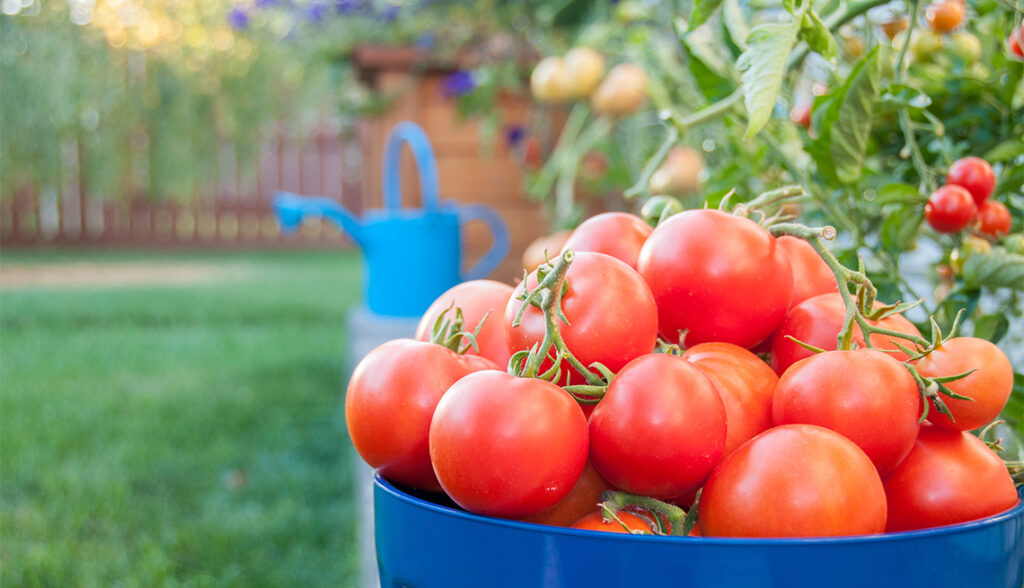
Are you ready to experience the joy of growing your own tomatoes? With a little bit of knowledge and the right equipment, you can enjoy fresh, delicious homegrown tomatoes all year round. In this article, we’ll take you through the process of growing tomatoes indoors, covering everything from choosing the right variety to providing the necessary care.
The Joy of Growing Tomatoes at Home
There’s something special about growing your own food, and tomatoes are one of the most rewarding fruits (yes, they’re technically a fruit!) to cultivate. Not only do homegrown tomatoes taste amazing, but they also provide a sense of accomplishment and connection to nature. Plus, you can enjoy them in salads, sandwiches, sauces, and more.
Understanding Tomato Varieties
Before we dive into the nitty-gritty of growing tomatoes at home, it’s essential to understand the different types of tomato varieties available. There are two main categories: determinate and indeterminate. Determinate tomatoes are bushy plants that grow to a certain height and produce fruit all at once. Indeterminate tomatoes, on the other hand, are vining plants that need support and will continue to grow throughout the season.
Choosing the Right Variety for Indoor Growing
For indoor growing, it’s best to start with determinate varieties, which are easier to manage and provide a more consistent harvest. Some popular determinate tomato varieties include ‘Patio’, ‘Tiny Tim’, and ‘Red Robin’. These compact plants are perfect for small spaces and can thrive in containers.
Preparing the Perfect Container
Once you’ve chosen your variety, it’s time to prepare the container. You’ll need a pot that is at least 6-8 inches deep and has good drainage holes. A well-draining potting mix is also essential, as tomatoes don’t like wet feet. Avoid using regular garden soil, as it can compact and prevent proper drainage.
Lighting: The Key to Success
Tomatoes need plenty of light to grow and produce fruit. If you’re growing indoors, make sure your container is placed in a sunny spot or use grow lights to supplement the natural light. Aim for at least 12-16 hours of direct sunlight per day. If you don’t have access to natural light, LED grow lights are a great option.
Temperature Control: The Ideal Environment
Tomatoes prefer daytime temperatures between 65-70°F (18-21°C) and nighttime temperatures around 55-60°F (13-15°C). Avoid placing your container near drafts or extreme temperatures, as this can stress the plant and reduce fruit production. Keep your indoor growing space away from heating vents, radiators, and fireplaces.
Watering: The Art of Hydration
Overwatering is a common mistake when growing tomatoes at home. Make sure to check the soil moisture regularly by sticking your finger into the soil up to the first knuckle. If the soil feels dry, it’s time to water. Avoid getting water on the leaves to prevent fungal diseases. Use a moisture meter to ensure you’re watering correctly.
Fertilization: Feeding Your Tomatoes
Feed your tomato plants with a balanced fertilizer once a month. You can also use compost tea or worm casting as an additional source of nutrients. Avoid overfertilizing, as this can lead to weak growth and reduced fruit production. Consider using organic fertilizers, such as fish emulsion or bone meal.
Pruning and Training: The Secret to Success
Pruning and training are essential steps in growing tomatoes at home. Remove lower leaves to prevent fungal diseases and encourage bushy growth. Use tomato cages or trellises to support the plant and promote vertical growth. Pinch off flower buds to direct energy towards fruiting, and remove suckers to maintain a healthy, open structure.
Tips for a Successful Harvest
With proper care and attention, you can enjoy a bountiful harvest of delicious homegrown tomatoes. Here are some final tips:
- Harvest your tomatoes regularly to encourage new growth and prevent over-ripening
- Watch for signs of pests or diseases, such as yellowing leaves or black spots on the fruit
- Use calcium-rich water to prevent blossom end rot
- Consider using row covers to protect your plants from frost damage
Common Mistakes to Avoid
Growing tomatoes indoors can be a bit tricky, and there are several common mistakes to avoid. Here are some of the most common errors:
- Not providing enough light: Tomatoes need plenty of light to grow and produce fruit.
- Overwatering: Too much water can lead to root rot and other problems.
- Insufficient pruning: Pruning is essential for promoting healthy growth and encouraging fruit production.
- Inadequate support: Without proper support, indeterminate tomato plants can become leggy and weak.
Conclusion
Growing tomatoes at home is a rewarding experience that requires minimal equipment and space. By choosing the right variety, preparing the perfect container, providing the necessary light and temperature control, watering correctly, fertilizing regularly, pruning, and training your plant, you can enjoy a delicious harvest of fresh, homegrown tomatoes all year round.
Frequently Asked Questions
Q: How do I know if my tomato plants are getting enough light?
A: Check for signs of leaf elongation or yellowing leaves. If the leaves are pale or discolored, it may be a sign that your plant is not receiving sufficient light.
Q: Can I grow tomatoes indoors with no windows?
A: Yes, but you’ll need to invest in high-quality grow lights to provide the necessary light spectrum and intensity.
Q: How often should I water my tomato plants?
A: Check the soil moisture regularly by sticking your finger into the soil up to the first knuckle. Water when the soil feels dry to the touch.
Q: Can I use regular garden soil for indoor growing?
A: No, as it can compact and prevent proper drainage. Instead, use a well-draining potting mix specifically designed for containers.
Q: How long does it take for tomato plants to produce fruit?
A: Determinate varieties typically take 60-90 days from sowing seeds to harvesting, while indeterminate varieties may take longer.
Q: Can I grow tomatoes in a small space?
A: Yes! Compact varieties like ‘Patio’ and ‘Tiny Tim’ are perfect for small spaces and can thrive in containers as little as 6 inches deep.
Q: How do I prevent pests from damaging my tomato plants?
A: Inspect your plants regularly, and use organic pest control methods whenever possible.


