
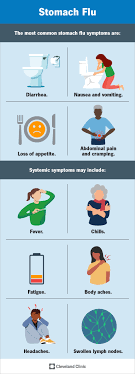
Intestinal flu, also known as gastroenteritis, is a viral infection that affects the stomach and intestines, causing symptoms such as diarrhea, vomiting, abdominal cramps, nausea, and fever. It’s essential to understand what intestinal flu is and how it differs from other illnesses.
1. What is Intestinal Flu?
Intestinal flu is a highly contagious illness caused by viruses, primarily Norovirus and Rotavirus, which can affect people of all ages. However, the severity and frequency of symptoms vary depending on the virus and age group. Other viruses like Sapovirus, Astrovirus, and Adenovirus also contribute to intestinal flu.
2. Causes of Intestinal Flu
Intestinal flu is caused by viruses that are highly contagious and can be spread through various means. The main causes of intestinal flu include:
- Norovirus: This virus is responsible for most cases of gastroenteritis, particularly in young children and older adults.
- Rotavirus: This virus affects mainly infants and young children, causing severe gastrointestinal symptoms.
- Sapovirus: This virus also affects infants and young children, but its impact is generally milder than that of Rotavirus.
- Astrovirus: This virus is a common cause of gastroenteritis in children under the age of 10.
- Adenovirus: This virus can cause a range of symptoms, including fever, cough, and gastrointestinal issues.
3. How is Intestinal Flu Transmitted?
Intestinal flu is transmitted through contact with contaminated food or water, respiratory droplets when an infected person coughs or sneezes, or direct contact with an infected person’s hands or surfaces they’ve come into contact with. The transmission risk increases during the acute phase of the illness.
- Contaminated food and water: Food and water can become contaminated with the virus through improper handling, cooking, or storage.
- Respiratory droplets: When an infected person coughs or sneezes, they release respiratory droplets that contain the virus. If these droplets are inhaled by another person, it can lead to infection.
- Direct contact: The virus can be spread through direct contact with an infected person’s hands or surfaces they’ve come into contact with.
4. Duration of Intestinal Flu
The duration of intestinal flu can vary depending on the virus and individual factors. The incubation period, which is the time between exposure to the virus and symptom onset, typically ranges from 12 hours to 3 days for most viruses. The actual illness duration is usually shorter, ranging from a half day to several days.
5. Precautions Against Intestinal Flu
Certain groups are more susceptible to intestinal flu, such as young children and older adults. These individuals should take extra precautions to prevent transmission, including:
- Practicing good hygiene practices
- Avoiding close contact with infected people
- Maintaining a healthy lifestyle
6. How to Treat Intestinal Flu
Treating intestinal flu involves managing symptoms and supporting the body’s natural recovery process. A balanced diet, sufficient hydration, and rest are essential for feeling better.
- Balanced diet: Eating small, frequent meals can help manage symptoms and prevent dehydration.
- Sufficient hydration: Drinking plenty of fluids is crucial for preventing dehydration and supporting the immune system.
- Rest: Getting plenty of sleep and avoiding strenuous activities can help the body recover from illness.
7. Managing Risks of Intestinal Flu
Certain lifestyle choices, such as taking antibiotics that disrupt the gut microbiota, frequent exposure to other children, or weakened immune systems due to underlying conditions, can increase the risk of intestinal flu.
- Antibiotics: Taking antibiotics without a prescription or using them unnecessarily can disrupt the balance of gut bacteria.
- Frequent exposure: Being in close contact with others who have intestinal flu increases the risk of transmission.
- Weakened immune system: Individuals with underlying conditions, such as diabetes or HIV/AIDS, may be more susceptible to complications from intestinal flu.
8. Preventing Intestinal Flu: Simple Steps
Preventing intestinal flu is crucial, especially for vulnerable populations. Some simple strategies include:
- Practicing good hygiene practices
- Avoiding close contact with infected individuals
- Maintaining a healthy lifestyle
By following these steps, you can significantly reduce your risk of transmission and support overall health.
9. Managing Symptoms and Reducing Discomfort
Managing symptoms of intestinal flu can be challenging, but there are some remedies that may help alleviate discomfort.
- Staying hydrated: Drinking plenty of fluids is essential for preventing dehydration and supporting the immune system.
- Taking medication as prescribed by a healthcare professional: Antibiotics may be necessary to treat secondary infections or manage symptoms.
- Getting plenty of rest: Avoiding strenuous activities can help the body recover from illness.
10. Boosting Immunity with Probiotics
Probiotics have been shown to play an essential role in supporting the immune system during intestinal flu. Certain strains of probiotics can help restore the balance of gut bacteria and boost immunity, making them a valuable addition to your treatment plan.
- Strains of probiotics: Lactobacillus acidophilus and Bifidobacterium bifidum are commonly used to support gut health.
- Dosage: Taking 1-2 billion CFU per day is typically recommended for supporting immune function.
11. Managing Stress and Emotional Well-being
Intestinal flu can be emotionally challenging, especially when symptoms persist for an extended period. Practicing stress-reducing techniques, such as meditation or yoga, can help manage emotional distress and support overall well-being.
- Meditation: Regular meditation practice can reduce stress and anxiety.
- Yoga: Engaging in gentle exercises like yoga can help manage stress and promote relaxation.
12. Common Misconceptions About Intestinal Flu
Some people may believe that intestinal flu is a rare condition or that it only affects children. However, this is not the case. Intestinal flu can affect anyone, regardless of age or background.
- Prevalence: Intestinal flu is a common illness that affects millions of people worldwide each year.
- Age range: While children are more susceptible to severe symptoms, adults can also experience significant discomfort.
13. The Role of Antibiotics in Treating Intestinal Flu
Antibiotics are often prescribed to treat secondary infections that may develop during intestinal flu. However, antibiotics should be used judiciously and under medical guidance, as they can disrupt the balance of gut bacteria.
- Secondary infections: Antibiotics may be necessary to treat bacterial infections that occur in addition to viral symptoms.
- Dosage: Following dosage instructions carefully is crucial for preventing antibiotic resistance.
14. Understanding the Importance of Hygiene Practices
Maintaining good hygiene practices is crucial in preventing the transmission of intestinal flu. This includes:
- Washing hands frequently, especially after using the bathroom or before eating
- Avoiding close contact with infected individuals
- Cleaning and disinfecting surfaces regularly
By following these simple steps, you can significantly reduce your risk of transmission.
15. The Importance of Proper Rest and Recovery
Proper rest and recovery are essential for helping your body recover from intestinal flu. Aim to get plenty of sleep, stay hydrated, and avoid strenuous activities during this time.
- Sleep: Getting at least 8 hours of sleep per night is crucial for supporting immune function.
- Hydration: Drinking plenty of fluids helps prevent dehydration and supports the immune system.
- Avoiding strenuous activities: Gentle exercises like yoga or short walks can help manage stress and promote relaxation.


