
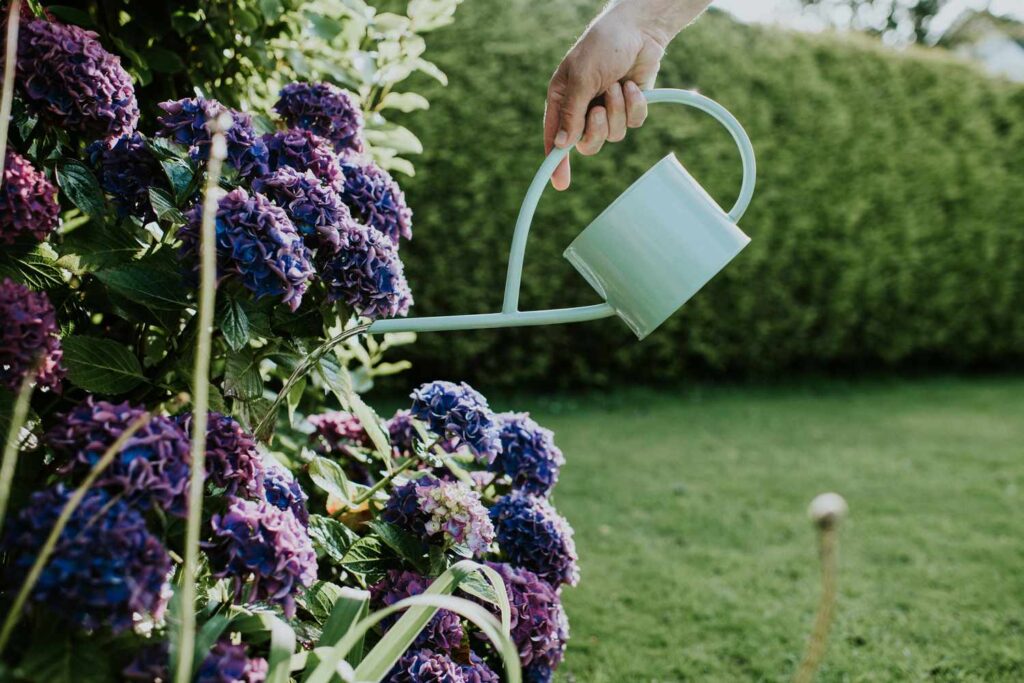
Optimizing Your Hydrangea’s Bloom with Fertilization
Hydrangeas are beautiful, versatile flowers that come in a variety of colors and shades. However, achieving vibrant blooms can be a challenge, especially when it comes to choosing the right fertilizers. In this article, we’ll explore the best ways to fertilize your hydrangea for more abundant, color-changing blooms.
Choosing the Right Fertilizer
When it comes to fertilizing hydrangeas, you need a fertilizer that is specifically designed for acid-loving plants or orchids. This type of fertilizer will provide the necessary nutrients for healthy growth and blooming. If you’re looking for a general-purpose fertilizer, you can use one that contains a balanced mix of nitrogen, phosphorus, and potassium (NPK). However, keep in mind that these fertilizers may not provide the same level of acidity as an orchid or acid-loving plant fertilizer.
For example, if you want to produce blue flowers, you’ll need to use an acidic fertilizer that provides sufficient aluminum levels in the soil. Conversely, if you want to produce pink or white flowers, you’ll need to adjust the pH level of your soil accordingly. For instance, using a high-pH fertilizer will promote pink or white blooms, while an acidic fertilizer will result in blue flowers.
Types of Fertilizers
There are several types of fertilizers that can be used for hydrangeas, including:
- Orchid Fertilizer: This type of fertilizer is specifically designed for acid-loving plants and orchids.
- Acid-Loving Plant Fertilizer: This fertilizer is formulated to provide the necessary nutrients for healthy growth and blooming in acidic soil conditions.
- Balanced NPK Fertilizer: While this fertilizer provides a balanced mix of nitrogen, phosphorus, and potassium (NPK), it may not be suitable for hydrangeas that require an acidic environment.
Benefits of Orchid Fertilizers
Orchid fertilizers are specifically designed to meet the needs of acid-loving plants and orchids. These fertilizers offer several benefits, including:
- Increased Bloom Production: Orchid fertilizers contain micronutrients like magnesium and iron, which are essential for healthy blooms.
- Improved Soil pH Balance: These fertilizers help maintain an acidic soil pH, which is ideal for hydrangea growth.
- Enhanced Color Development: By providing the necessary nutrients for healthy growth, orchid fertilizers can result in more vibrant flower colors.
Benefits of Acid-Loving Plant Fertilizers
Acid-loving plant fertilizers are also beneficial for hydrangeas. These fertilizers offer several benefits, including:
- Improved Root Health: Acid-loving plant fertilizers provide essential micronutrients like aluminum and iron, which promote healthy root growth.
- Enhanced Bloom Production: By providing the necessary nutrients for healthy growth, acid-loving plant fertilizers can result in more abundant blooms.
- Better Soil pH Balance: These fertilizers help maintain an acidic soil pH, which is ideal for hydrangea growth.
Microelements: The Key to Vibrant Blooms
Hydrangeas require two essential microelements, magnesium and iron, for vibrant blooms. These minerals play a crucial role in flower coloration and overall health. Without sufficient magnesium and iron, your hydrangea may produce less vibrant flowers or experience stunted growth.
Benefits of Magnesium and Iron
Magnesium and iron are essential for healthy hydrangea growth. These microelements offer several benefits, including:
- Increased Bloom Production: By providing the necessary nutrients for healthy growth, magnesium and iron can result in more abundant blooms.
- Enhanced Flower Color Development: Both magnesium and iron play a role in flower coloration, with iron contributing to the development of pink or white flowers and magnesium contributing to the development of blue flowers.
- Improved Root Health: Magnesium and iron promote healthy root growth, which is essential for hydrangea survival.
Diluting Your Fertilizer
When using a fertilizer specifically designed for acid-loving plants, it’s essential to dilute it according to instructions. A common dilution ratio is 1 tablespoon of powder per 3.5 liters of distilled water. This will help prevent over-fertilization and maintain the optimal pH level in your soil.
Additional Tips
- Always choose a fertilizer that contains micronutrients like magnesium and iron, which are crucial for healthy blooms.
- Be mindful of the color you want to achieve; for instance, using an acidic fertilizer may result in blue flowers, while an alkaline fertilizer will produce pink or white blooms.
- Consider adding solubles like aluminum sulfate to your fertilizer for added benefits.
By following these tips and choosing the right fertilizer, you can optimize your hydrangea’s bloom with more abundant, vibrant flowers that change colors throughout the growing season.


