
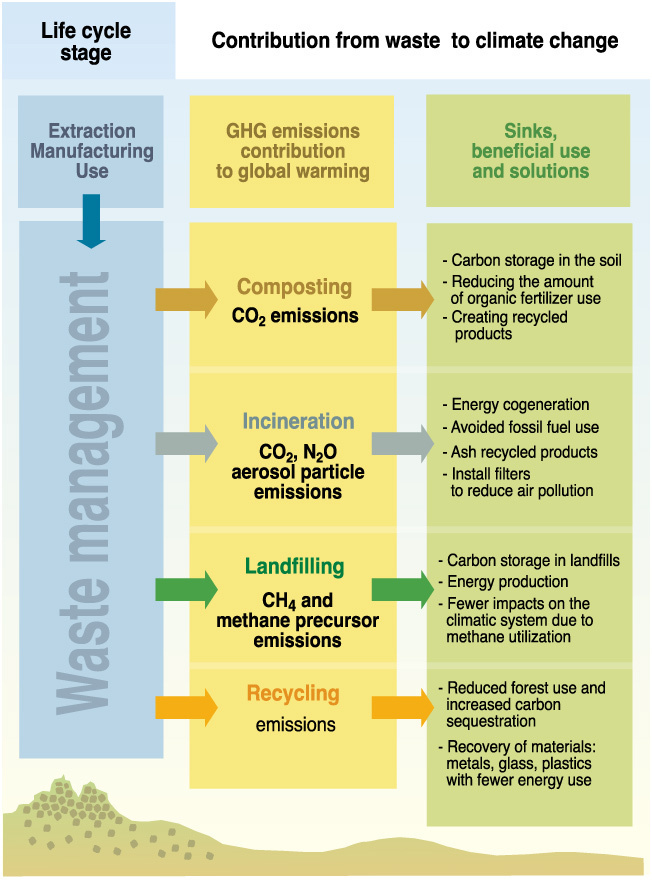
As the world grapples with the challenges of climate change, it is essential to understand the role that waste plays in this global issue. From the production and consumption of goods to their eventual disposal, waste has a significant impact on our environment. In this article, we will explore the relationship between waste and climate change, examining the various factors that contribute to this complex problem.
The Significance of Waste and Classification
Waste is defined as any substance or object that an individual or organization discards, or intends to discard. This can include solid waste, such as household trash, industrial by-products, and agricultural waste, as well as hazardous waste, including toxic chemicals and radioactive materials. The classification of waste is also crucial, as it determines the appropriate disposal methods and regulations.
There are several types of waste, each with its unique characteristics and impacts on the environment. For example:
- Solid waste: This includes household trash, industrial by-products, and agricultural waste.
- Hazardous waste: This includes toxic chemicals, radioactive materials, and other substances that can harm human health or the environment if not disposed of properly.
- Organic waste: This includes food waste, yard trimmings, and other organic materials that can be composted.
Understanding the classification and types of waste is essential for developing effective strategies to mitigate its impact on climate change.
The Impact of Waste on Climate Change
Waste has a significant impact on climate change, primarily through the release of greenhouse gases, such as carbon dioxide (CO2) and methane (CH4), during its production, transportation, and disposal. The amount of waste generated is staggering, with an estimated 2 billion tons of waste being produced annually in the United States alone.
The production of goods requires energy, which is often generated from fossil fuels and results in greenhouse gas emissions. Additionally, the transportation of waste generates additional emissions, as well as the use of fossil fuels for disposal methods such as landfills.
The impact of waste on climate change can be broken down into several key factors:
- Greenhouse gas emissions: The production, transportation, and disposal of waste result in significant greenhouse gas emissions.
- Resource depletion: The extraction, processing, and consumption of resources required to produce goods also contribute to resource depletion.
- Pollution: Waste generation and disposal can lead to pollution, including air, water, and soil pollution.
The Benefits of Recycling
Recycling is a crucial strategy for mitigating the impact of waste on climate change. By reusing materials, recycling reduces the need for raw materials extraction, thereby decreasing greenhouse gas emissions and conserving natural resources. According to studies, recycling one ton of paper saves 17 trees, 7,000 gallons of water, and 4,100 kilowatt-hours of electricity.
Recycling also has several additional benefits, including:
- Conserving energy: Recycling requires significantly less energy than producing new materials.
- Reducing landfill waste: Recycling reduces the amount of waste sent to landfills, where it can contribute to greenhouse gas emissions and pollution.
- Saving resources: Recycling conserves natural resources by reusing existing materials.
The Role of COMIECO
COMIECO (Consorzio per la promozione e il riciclo degli imballaggi a base cellulosica) is an Italian organization that promotes the recycling of paper-based packaging. Their research has shown that recycling one ton of cardboard saves 1,300 kilograms of CO2 equivalent, while recycling aluminum cans eliminates 6-8 kilograms of CO2.
COMIECO’s work highlights the importance of sustainable waste management practices and the potential for individual actions to make a significant impact on climate change. By promoting recycling and reducing waste, individuals can contribute to mitigating the impacts of climate change.
The Importance of Waste Reduction and Prevention
Waste reduction and prevention are critical strategies for addressing climate change. By reducing consumption patterns, avoiding single-use plastics, and promoting sustainable lifestyles, individuals can significantly reduce their waste output. According to studies, a simple increase in recycling rates from 30% to 35% could lead to significant reductions in greenhouse gas emissions.
Waste reduction and prevention also have several additional benefits, including:
- Conserving resources: Reducing consumption patterns and avoiding single-use plastics conserves natural resources.
- Reducing pollution: Waste reduction and prevention can reduce pollution by minimizing the amount of waste sent to landfills or incinerators.
- Promoting sustainable development: Waste reduction and prevention promote sustainable development by reducing the need for new materials and energy.
Conclusion
Waste has a profound impact on climate change, primarily through the release of greenhouse gases during its production, transportation, and disposal. Recycling, waste reduction, and prevention are essential strategies for mitigating this impact. By adopting sustainable practices and promoting environmental awareness, individuals can contribute to reducing the amount of waste generated and minimizing the associated greenhouse gas emissions.
Recommendations
Based on our analysis, we recommend the following strategies for addressing climate change through waste management:
- Implementing recycling programs: Governments and businesses should implement effective recycling programs that encourage participation and provide incentives.
- Promoting sustainable lifestyles: Individuals can promote sustainable lifestyles by reducing consumption patterns, avoiding single-use plastics, and promoting environmentally friendly products.
- Developing waste reduction strategies: Governments and businesses should develop waste reduction strategies that minimize waste generation and promote resource conservation.
FAQs
- What is the relationship between waste management and climate change?
Waste management plays a critical role in addressing climate change, primarily through the release of greenhouse gases during its production, transportation, and disposal. - How much CO2 equivalent can recycling save?
According to studies, recycling one ton of paper saves 1,300 kilograms of CO2 equivalent, while recycling aluminum cans eliminates 6-8 kilograms of CO2. - What is the most effective way to reduce waste and mitigate climate change?
Reducing consumption patterns, avoiding single-use plastics, and promoting sustainable lifestyles are critical strategies for addressing climate change. - How much greenhouse gas emissions can be reduced by increasing recycling rates?
According to studies, a simple increase in recycling rates from 30% to 35% could lead to significant reductions in greenhouse gas emissions. - What is the role of COMIECO in promoting sustainable waste management practices?
COMIECO (Consorzio per la promozione e il riciclo degli imballaggi a base cellulosica) promotes the recycling of paper-based packaging, highlighting the importance of sustainable waste management practices. - How can individuals contribute to reducing waste and mitigating climate change?
Individuals can make a significant impact by adopting sustainable practices, such as reducing consumption patterns, avoiding single-use plastics, and promoting environmental awareness. - What is the most effective way to dispose of hazardous waste?
Hazardous waste should be disposed of through specialized facilities or services that adhere to strict regulations and guidelines. - How can governments promote sustainable waste management practices?
Governments can promote sustainable waste management practices by implementing policies, such as extended producer responsibility, deposit-refund systems, and waste-to-energy infrastructure.


