
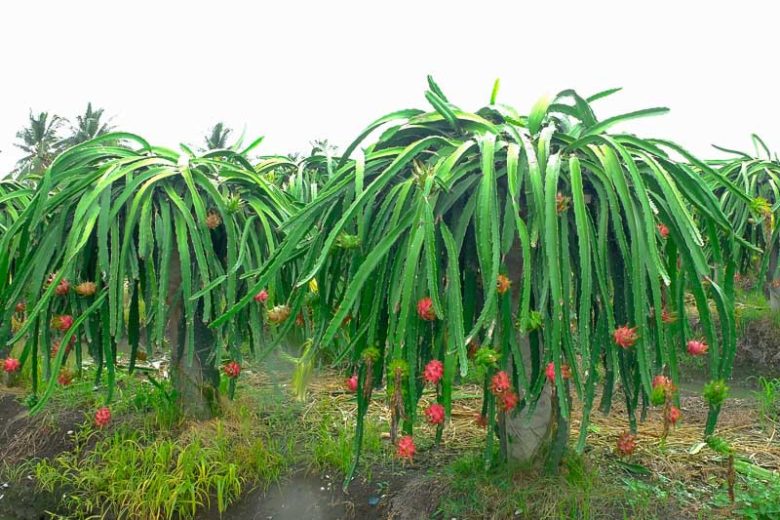
In the world of exotic plants, few species evoke as much fascination as the Hylocereus undatus, also known as the Pitahaya or Dragon Fruit. Native to tropical regions of Mexico, Guatemala, Costa Rica, and beyond, this stunning plant has captured the hearts of gardeners and botanists alike with its unique beauty and versatility. In this article, we’ll delve into the world of Hylocereus undatus, exploring its characteristics, cultivation methods, and care requirements.
Characteristics of Hylocereus undatus
The Hylocereus undatus is a tropical plant that boasts an impressive white flower, measuring up to 30 cm in length with a diameter of 15-20 cm. This striking bloom is the crowning glory of the plant, followed by the iconic Dragon Fruit, which is prized for its soft, sweet pulp and minimal calorie content.
The Dragon Fruit: A Nutritional Powerhouse
Each 100 grams of Dragon Fruit contains only 36 kcal, making it an excellent choice for those seeking a nutritious snack. The fruit’s unique texture and flavor profile are further enhanced by its high concentration of micronutrients, including vitamins and minerals.
Cultivation Methods
When it comes to cultivating Hylocereus undatus, the key is providing optimal conditions for growth. This means offering plenty of sunlight, as well as a well-draining substrate that allows for healthy root development. In areas with mild winters, such as the Mediterranean region, the plant can be grown in full sun and partial shade.
Creating the Perfect Environment
To replicate the ideal environment for Hylocereus undatus, follow these steps:
- Provide a large pot or container to accommodate the plant’s extensive roots.
- Mix a well-draining substrate with perlite or vermiculite for optimal drainage.
- Water sparingly, as overwatering can lead to root rot and other issues.
- Fertilize regularly during the growing season to promote healthy growth.
Caring for Your Hylocereus undatus
In addition to providing a suitable environment, regular care is essential for maintaining your plant’s health and vitality. Some key considerations include:
- Pruning: Regular pruning can help control the plant’s size and encourage new growth.
- Pest management: Keep an eye out for pests like mealybugs and spider mites, which can cause significant damage to the plant.
- Temperature fluctuations: Avoid exposing the plant to extreme temperatures, as this can cause stress and affect flowering.
Propagation Methods
Hylocereus undatus is a popular choice among plant enthusiasts due to its ease of propagation. There are several methods to propagate the plant, including:
- Stem cuttings: Take 15-20 cm long stem cuttings from the mother plant, removing lower leaves, and root them in water or a substrate.
- Leaf nodes: Remove leaf nodes from mature plants, placing them in water or a substrate to promote rooting.
Common Issues and Solutions
Despite its ease of cultivation, Hylocereus undatus can be prone to certain issues. Some common problems and their solutions include:
- Pests: Use organic pest control methods, such as neem oil or insecticidal soap.
- Diseases: Provide good air circulation, increase humidity, and treat fungal infections with fungicides.
Where to Find Hylocereus undatus
Due to its exotic nature, Hylocereus undatus is not commonly found in local nurseries or garden centers. However, you can find it through online retailers, specialty plant stores, or by attending botanical exhibitions and events.
Conclusion
Hylocereus undatus is a unique and captivating species that offers a world of possibilities for gardeners and botanists alike. By understanding its characteristics, cultivation methods, and care requirements, you can unlock the full potential of this stunning plant and enjoy the many rewards it has to offer.


