
Introduction
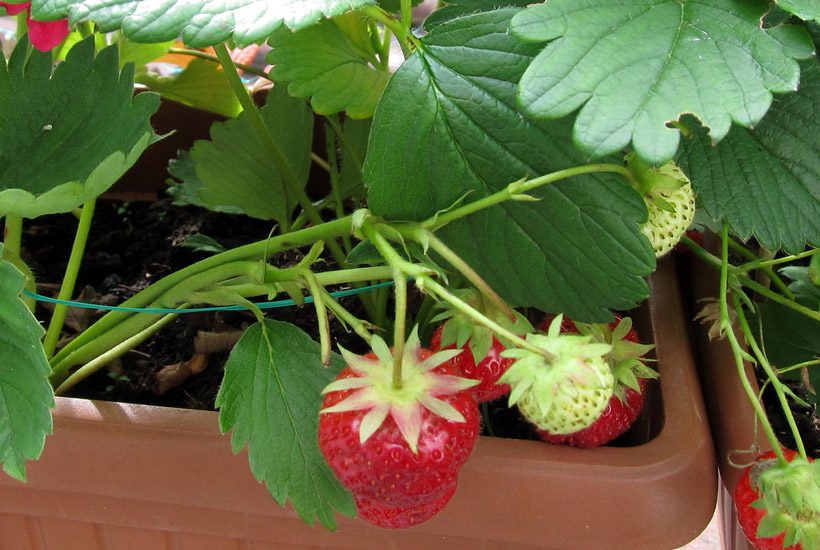
Growing strawberries on balconies and terraces is a great way to enjoy fresh, delicious fruits even in small spaces. With the right techniques and conditions, you can harvest a bountiful crop of juicy strawberries in as little as six months.
In this article, we will guide you through the process of growing strawberries on balconies and terraces, from choosing the right variety to providing optimal care. Whether you’re a seasoned gardener or just starting out, this comprehensive guide will help you achieve success with your strawberry plants.
Why Grow Strawberries on Balconies and Terraces?
Growing strawberries on balconies and terraces offers several benefits:
• Space-saving: Strawberries are one of the most space-efficient fruits to grow, making them perfect for small balconies and terraces.
• Year-round production: With the right variety selection, you can enjoy a continuous harvest from mid-summer to early fall.
• Easy access: Growing strawberries on balconies and terraces allows you to easily pick fresh berries whenever you want.
Choosing the Right Variety
Not all strawberry varieties are created equal. To maximize your yield, select high-producing varieties that mature between late spring and early fall. Some popular options include:
• Everbearing strawberries: These produce multiple crops throughout the growing season.
• June-bearing strawberries: These are more productive in the summer months but may require staking.
When selecting a variety, consider factors like climate tolerance, disease resistance, and flavor profile. For example, ‘Albion’ is a popular everbearing variety that produces large, sweet berries, while ‘Camarosa’ is a June-bearing variety known for its exceptional yields.
Preparing the Soil
To grow healthy strawberry plants, you’ll need a well-draining potting mix with a balanced pH. A combination of peat moss and perlite or vermiculite works well. Avoid using regular garden soil, as it can compact and prevent proper drainage.
Before planting, inspect your containers for any signs of wear or damage. Clean the containers thoroughly to ensure good drainage and prevent the growth of diseases.
Planting Strawberry Plants
- Choose the right containers: Use pots made from terracotta, plastic, or wood to ensure good air circulation and moisture retention.
- Select healthy plants: Look for firm, plump plants with bright green leaves and no signs of pests or disease.
- Plant at the right time: Spring is the best time to plant strawberry crowns in most regions.
When planting strawberries, make sure to plant them at the same depth as they were previously growing. Water the soil gently but thoroughly after planting to help settle the roots.
Caring for Your Strawberry Plants
- Water wisely: Keep the soil consistently moist but not waterlogged. Avoid watering during peak fruiting periods.
- Fertilize regularly: Feed your strawberries with a balanced, organic fertilizer every two weeks.
- Provide support: June-bearing strawberries may need staking to prevent toppling over in the wind.
To ensure optimal growth and productivity, keep an eye out for pests and diseases that can affect strawberry plants. Regularly inspect your plants for signs of infestation or infection, and take action promptly to prevent the problem from spreading.
Tips and Tricks
- Keep the area warm: Strawberries prefer temperatures between 65°F (18°C) and 75°F (24°C).
- Mulch around plants: Keep the soil moist by applying a layer of organic mulch, like straw or bark chips.
- Monitor for pests: Regularly inspect your plants for signs of aphids, slugs, and other common pests.
Common Mistakes to Avoid
- Overwatering: This can lead to root rot and reduced yields.
- Insufficient sunlight: Strawberries need full sun (at least 6 hours of direct sunlight) to produce well.
- Poor air circulation: Make sure your plants have enough space between them for good air flow.
Pruning and Training
Pruning and training are essential steps in growing strawberries on balconies and terraces. Prune your strawberry plants regularly to promote healthy growth, encourage fruiting, and prevent disease. Remove any weak or damaged stems, and trim back overgrown canes to maintain a bushy shape.
For June-bearing strawberries, provide support by staking them when they reach 6-8 inches in height. Use soft ties or twine to secure the plant without damaging its roots.
Harvesting
Strawberries are ready to harvest about 60-90 days after planting. Gently pull on a berry to check for ripeness, as overripe berries can be difficult to remove from the plant. Harvest strawberries in the morning, when the plants are still dewy and moist.
When harvesting, use clean hands or scissors to avoid transferring bacteria to the fruit. Wash your strawberries thoroughly with water before enjoying them fresh or using them in recipes.
Conclusion
Growing strawberries on balconies and terraces is a rewarding experience that requires some planning and care. By following these guidelines, you can enjoy a bountiful harvest of delicious, fresh strawberries even in the smallest of spaces.
Whether you’re a seasoned gardener or just starting out, this comprehensive guide has provided you with everything you need to succeed in growing strawberries on balconies and terraces. Happy growing!
Frequently Asked Questions
- Q: How long does it take for strawberries to mature?
A: Strawberry plants typically take 60-90 days to produce fruit after planting. - Q: Can I grow strawberries in containers year-round?
A: Yes, but make sure to provide protection from extreme temperatures and frost. - Q: Are there any specific fertilizers recommended for strawberry plants?
A: Organic fertilizers like compost tea or fish emulsion work well for strawberries. - Q: How often should I water my strawberry plants?
A: Keep the soil consistently moist but not waterlogged. Aim for about 1 inch of water per week. - Q: Can I grow multiple varieties of strawberries together?
A: Yes, mix-and-match different varieties to create a diverse and resilient crop. - Q: How do I prevent pests and diseases from affecting my strawberry plants?
A: Regularly inspect your plants for signs of pests or disease, and use organic methods to control any issues that arise. - Q: Can I grow strawberries in areas with poor drainage?
A: Yes, but you may need to take extra precautions to ensure the soil remains well-draining. - Q: Are there any specific climate requirements for growing strawberries?
A: Strawberries thrive in temperate climates with moderate temperatures and adequate moisture.
Common Problems and Solutions
- Problem: Strawberry plants are not producing fruit
Solution: Check for pests, diseases, or nutrient deficiencies. Adjust your care routine accordingly. - Problem: Strawberry plants are toppling over due to wind or heavy rainfall
Solution: Provide support by staking the plant using soft ties or twine. - Problem: Strawberry plants have poor air circulation
Solution: Increase space between plants to promote good air flow.
Conclusion
Growing strawberries on balconies and terraces is a rewarding experience that requires some planning and care. By following these guidelines, you can enjoy a bountiful harvest of delicious, fresh strawberries even in the smallest of spaces.
Whether you’re a seasoned gardener or just starting out, this comprehensive guide has provided you with everything you need to succeed in growing strawberries on balconies and terraces. Happy growing!


