
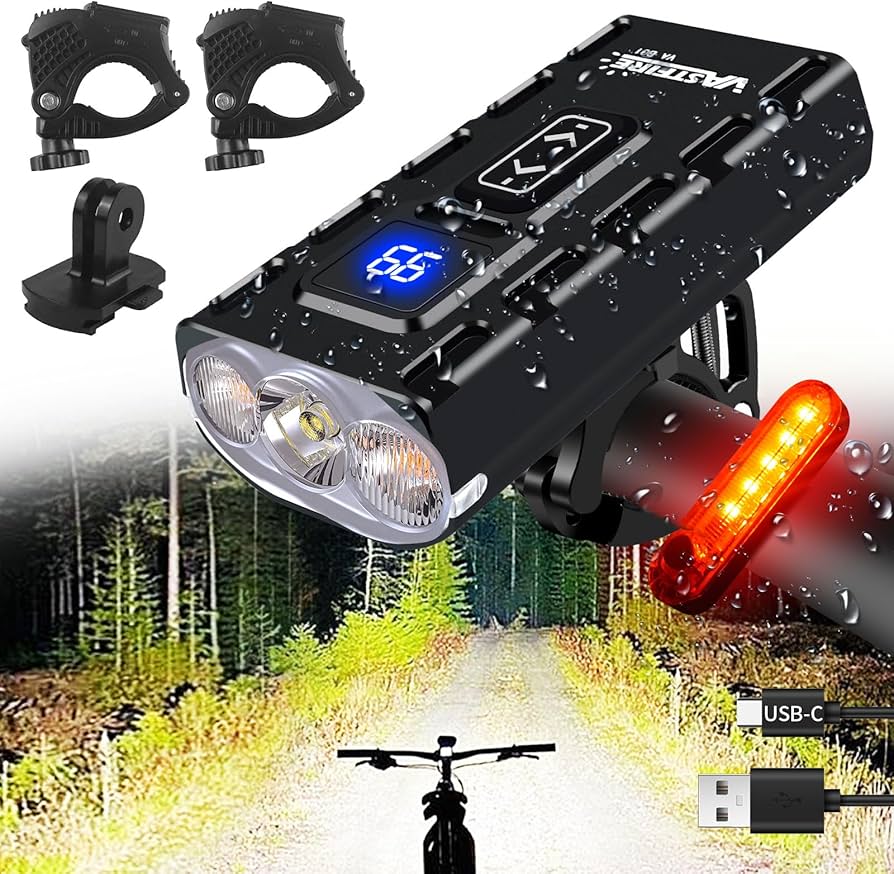
As a cyclist, safety is paramount, and choosing the right bicycle lights can make all the difference in reducing the risk of accidents and improving visibility on the road. In this article, we will delve into the world of bicycle lights, exploring the different types, factors to consider when selecting a light, and providing tips for ensuring optimal performance.
Understanding Bicycle Lights: Purpose and Categories
Bicycle lights serve two primary functions: making oneself visible and seeing. Depending on their purpose, we can classify bicycle lights into different categories based on their position or placement, mode of operation, and luminosity.
- Front lights (LEDs, Headlights): Designed to increase visibility when riding ahead of other vehicles.
- Rear lights (LEDs, Brake Lights): Intended to improve visibility behind the cyclist.
- Lights for helmets: Typically small and lightweight, these lights provide additional visibility on the rider’s head.
- Bike radar systems: An additional safety measure that alerts cyclists of potential hazards.
Choosing the Right Bicycle Light: Factors to Consider
When selecting a bicycle light, there are several factors to consider:
- Light source type (e.g., LED, Incandescent): LEDs are generally more energy-efficient and longer-lasting than incandescent bulbs.
- Luminosity (measured in lumens): The lumen output determines the light’s brightness and visibility. Higher lumens provide greater visibility but may also increase power consumption.
- Functionality: Features such as adjustable brightness, multiple modes, and a wide beam pattern can enhance safety and convenience.
Determining Your Lumen Needs
To determine how many lumens you need, consider your riding conditions and preferences:
- Low-light areas (galleries, woods): Higher lumens required for increased visibility
- High-speed rides: Lower lumens sufficient for faster-paced environments
- Long rides: Adjusted lumen output based on fatigue and environmental conditions
Front Lights: Essential for Visibility
When riding in low-light conditions or high-speed areas, front lights can be more effective than rear lights. Look for lights with adjustable brightness and a wide beam pattern.
Some key features to consider when selecting a front light include:
- Wide beam pattern: Allows you to see further ahead
- Adjustable brightness: Enables you to adjust the light’s intensity based on your needs
Rear Lights: Increase Visibility Behind You
Rear lights are essential for increased visibility, especially when riding behind other vehicles. Choose lights with multiple modes (e.g., steady, flashing) to increase visibility.
Some key features to consider when selecting a rear light include:
- Multiple modes: Allows you to adjust the light’s intensity and pattern
- High-intensity mode: Enables you to stand out in low-light conditions
Bike Radar: An Additional Safety Measure
Bike radar systems can alert cyclists of potential hazards and improve safety while riding.
Some key features to consider when selecting a bike radar include:
- Sensor accuracy: Determines the system’s ability to detect hazards
- Alert types: Enables you to customize the type of alerts you receive
Conclusion
In conclusion, choosing the right bicycle light is crucial for safe and enjoyable cycling. Consider factors such as luminosity, functionality, and design when selecting a light. With the increasing popularity of e-bikes and mountain bikes, there are many options available to suit different needs and preferences.
Useful Links
For more information on bicycle lights and related products, visit Amazon’s website. The links below offer a range of products from various manufacturers:
- Set of front and rear lights
- Front and rear lights
- Rear lights
- Catarfractors and other accessories for bicycles
Notable Brands
Some notable brands in the market include:
- Cat Eye: Known for their high-quality front lights, lights for security, and catadiotric accessories.
- Lezyne: A popular brand among cyclists, especially those who enjoy off-road riding.
- Knog: One of the first brands to innovate on removable bike lights; known for their waterproof and durable designs.
Related Articles
For more information on cycling-related topics, visit IdeeGreen’s website:
- Cicloturismo (cycling tourism)
- Cycling gear for winter clothing
- Shoes for road and mountain biking
- Cycling glasses
- Helmets
Frequently Asked Questions
Q: What is the difference between front lights and rear lights?
A: Front lights are designed to increase visibility when riding ahead of other vehicles, while rear lights are intended to improve visibility behind the cyclist.
Q: How do I choose the right luminosity for my bicycle light?
A: Consider your riding conditions and preferences. Low-light areas may require higher lumens, while high-speed rides may require lower lumens.
Q: What features should I look for in a front light?
A: Look for adjustable brightness, a wide beam pattern, and multiple modes (e.g., steady, flashing).
Q: How does bike radar work?
A: Bike radar systems use sensors to detect hazards and alert you through audible or visual signals.
Q: Can bicycle lights be used as a substitute for helmets?
A: No, bicycle lights are not a substitute for helmets. Helmets provide essential protection in the event of an accident.
Q: What is the recommended way to install a bike radar system?
A: Refer to the manufacturer’s instructions for proper installation and mounting.
Q: Can I use multiple rear lights at once?
A: Yes, using multiple rear lights can increase visibility. However, be sure to follow local regulations regarding lighting requirements.
Q: How often should I replace my bicycle light batteries?
A: Replace your battery according to the manufacturer’s instructions or when it no longer provides adequate light output.


